
Last updated September 24, 2026
Free in-home measure and quote - PGT, CGI and CWS impact lines compared on your actual openings, style by style
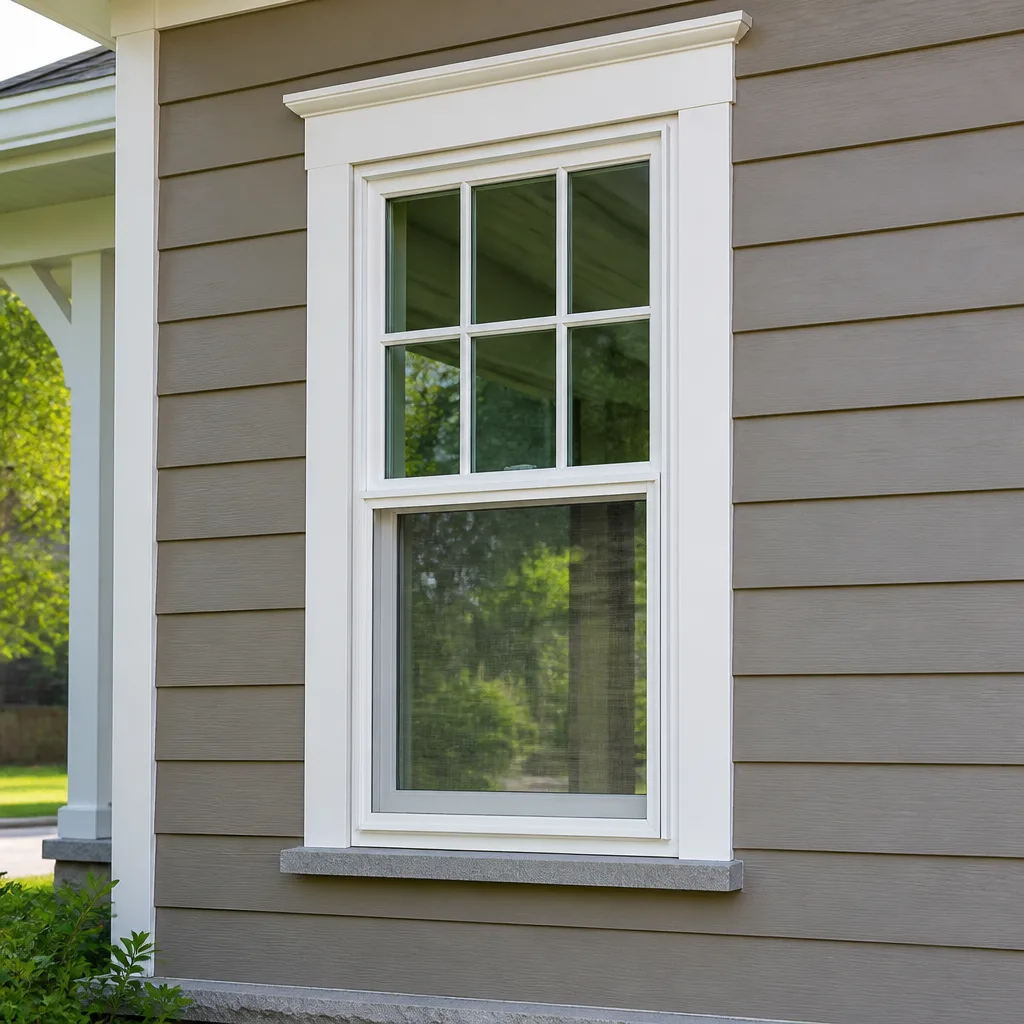
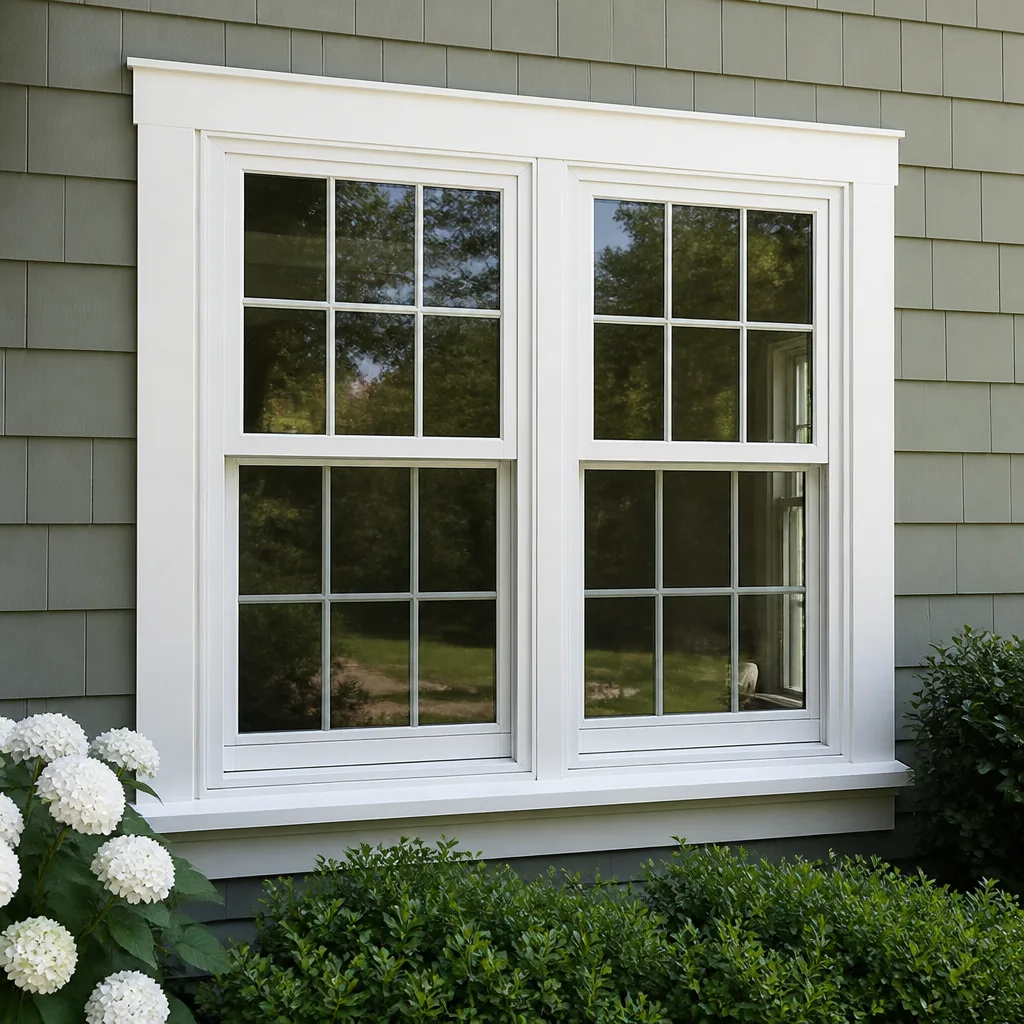
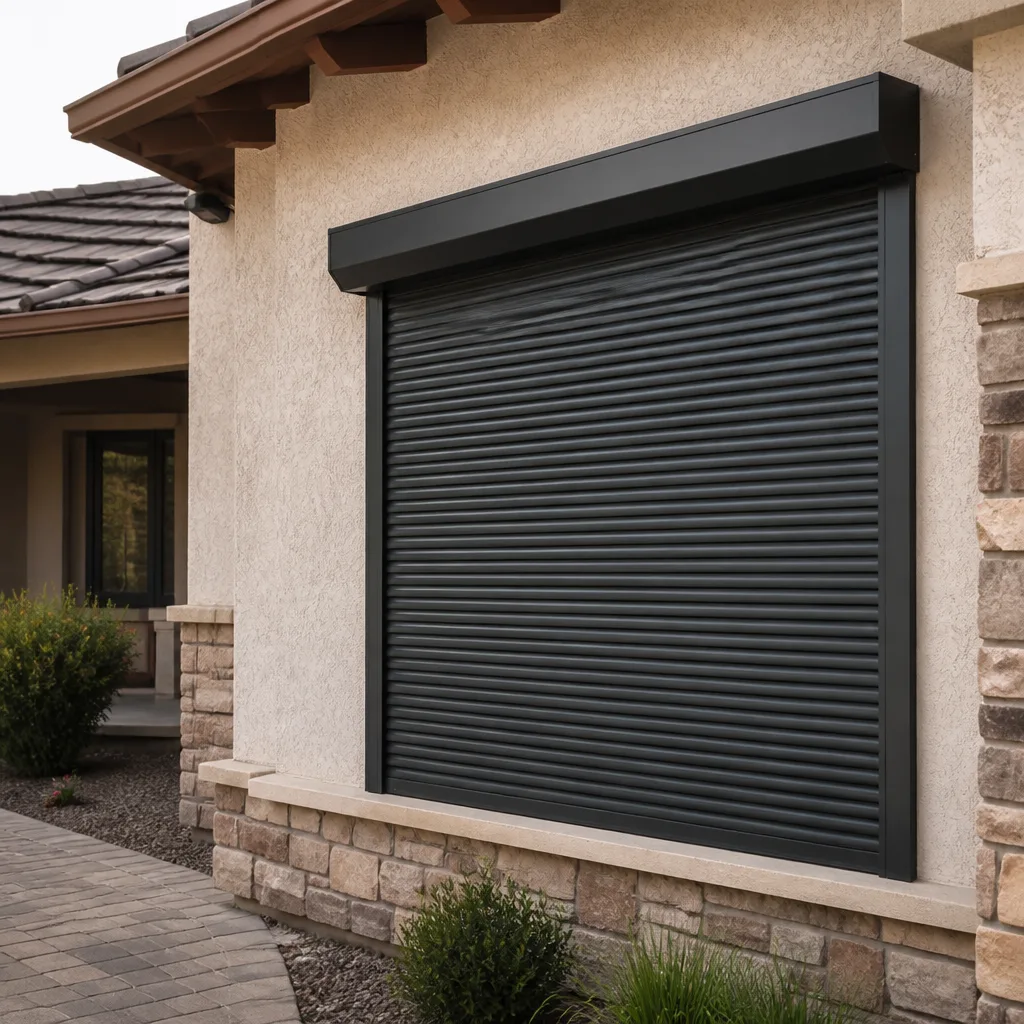
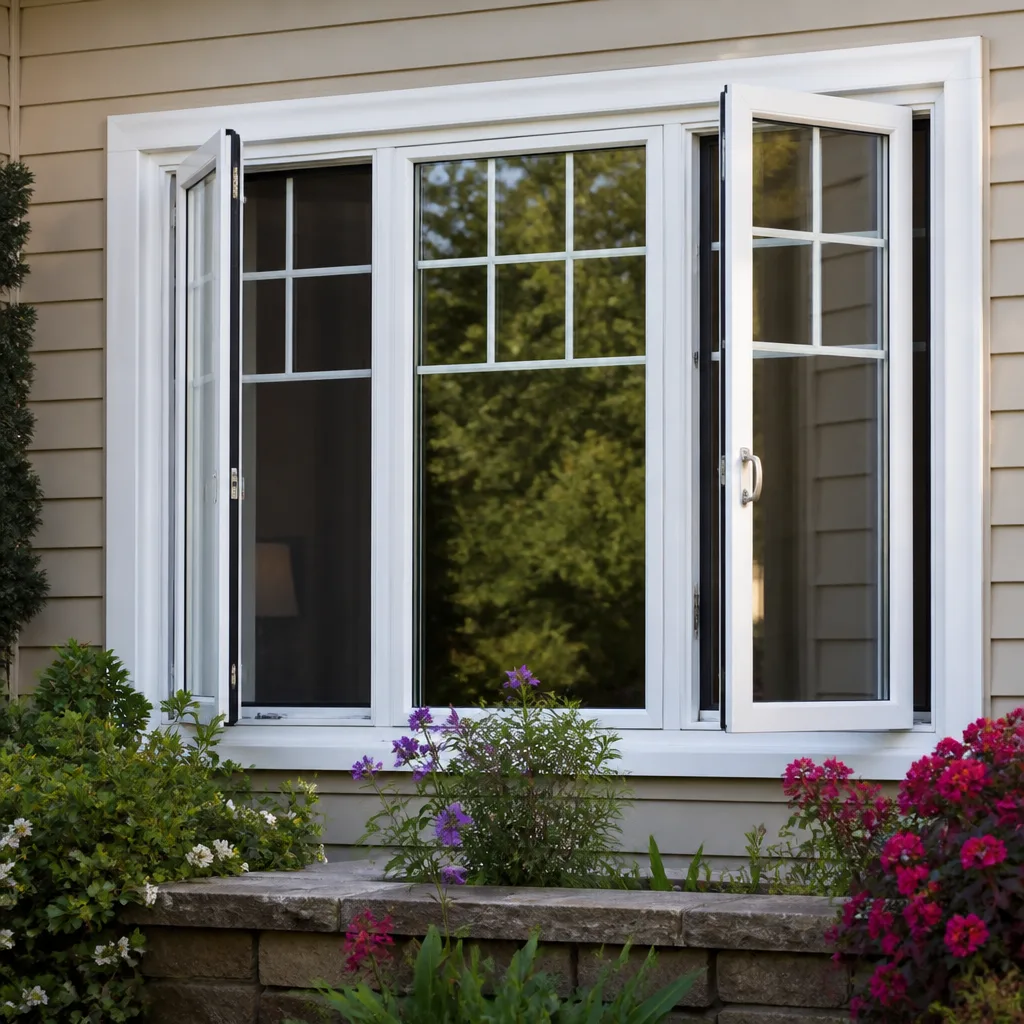
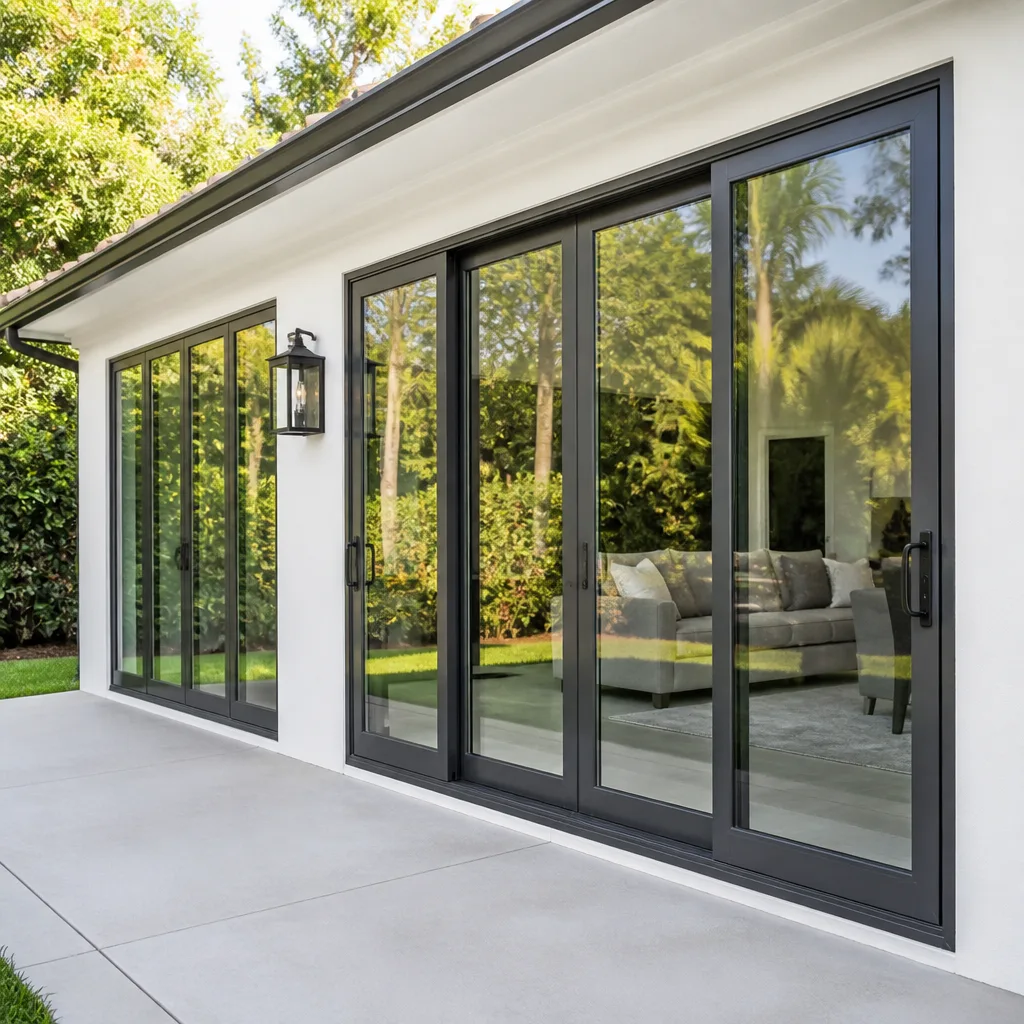
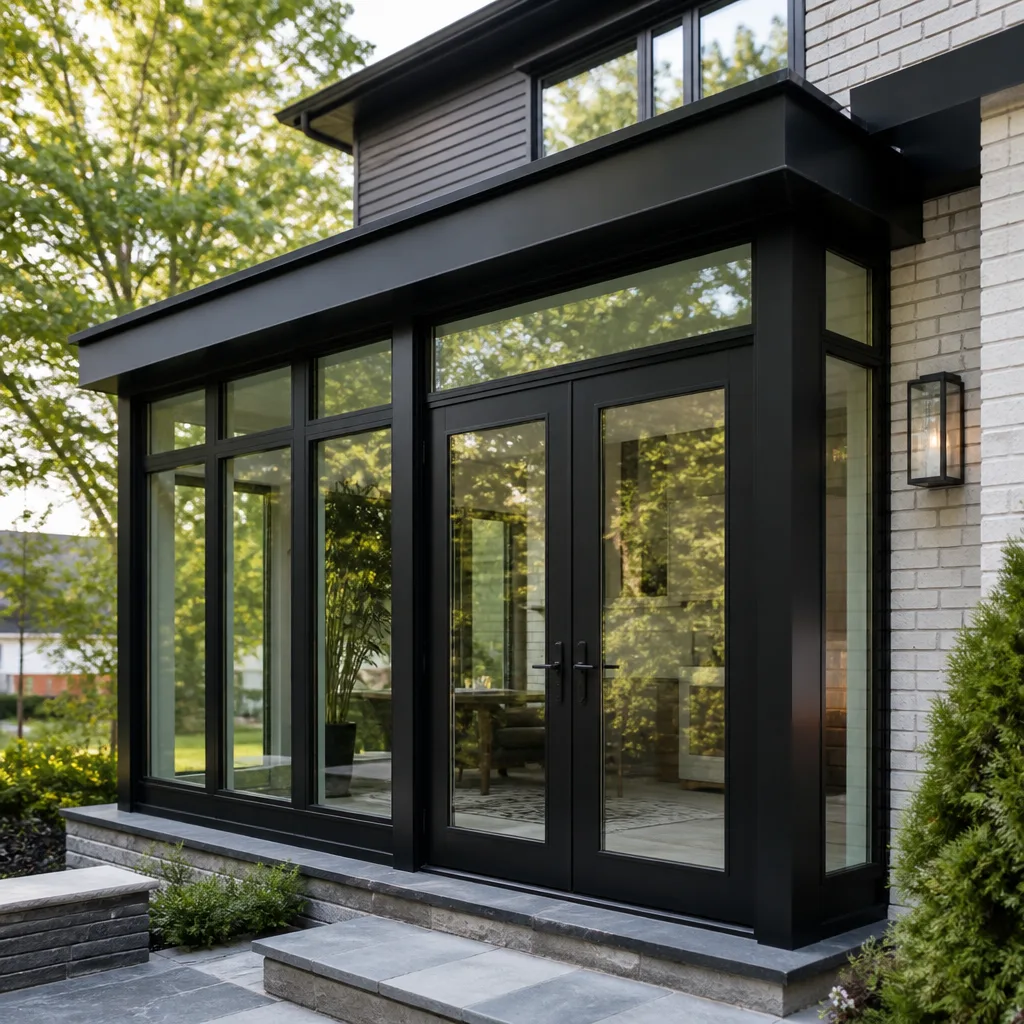
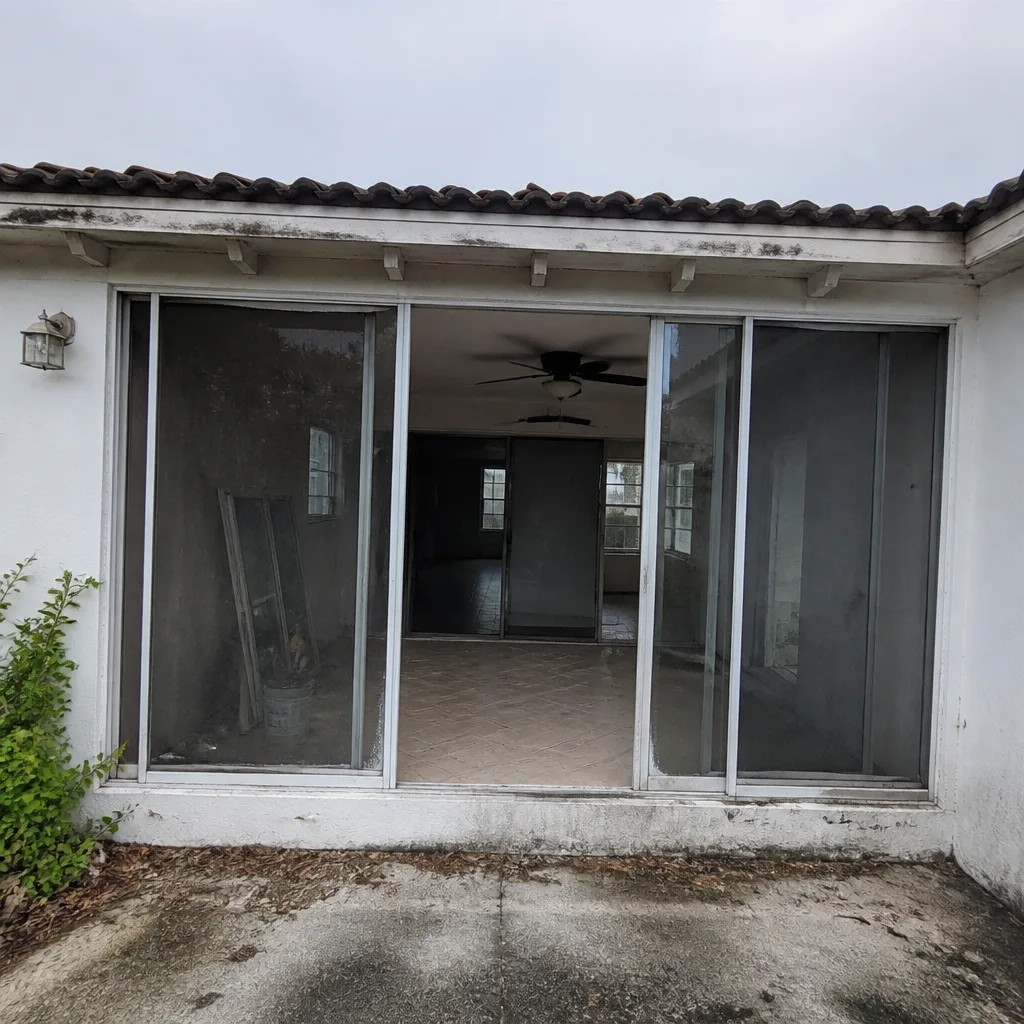 Before
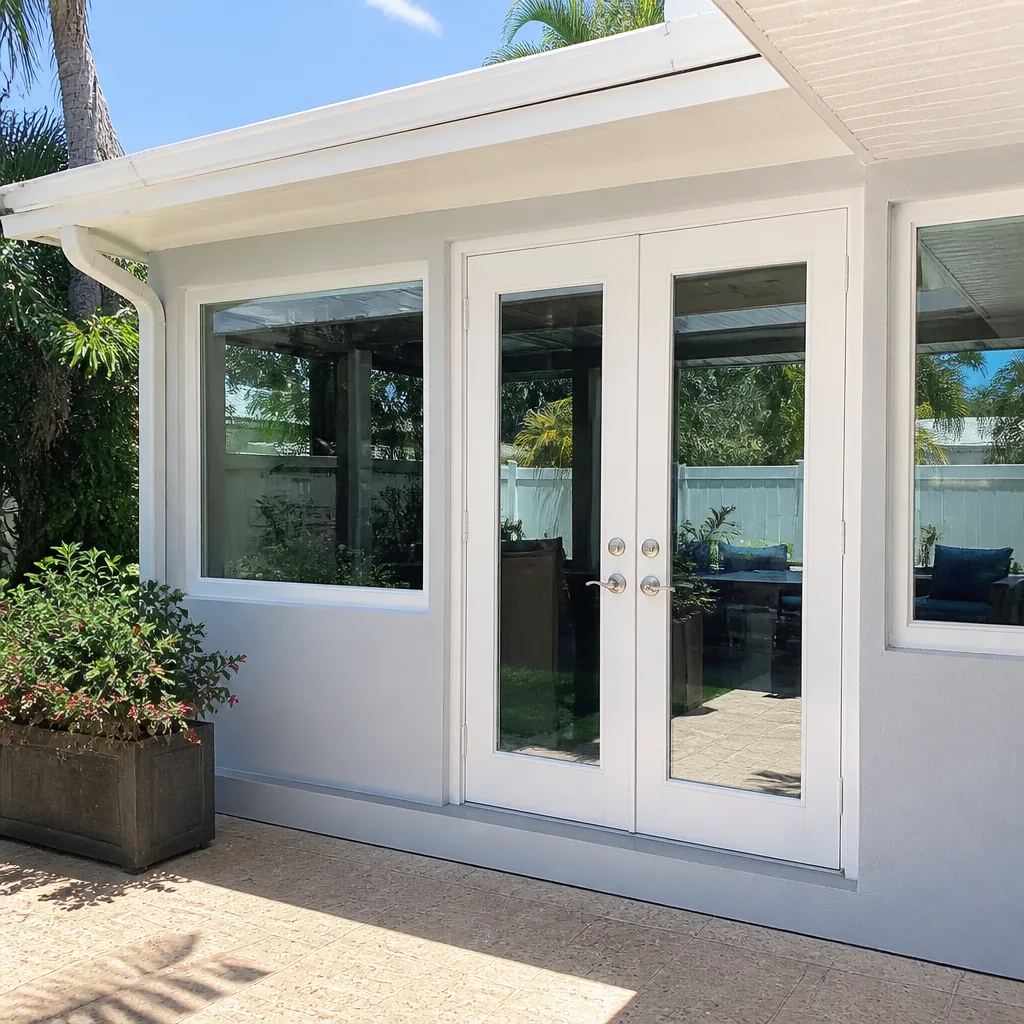 After
After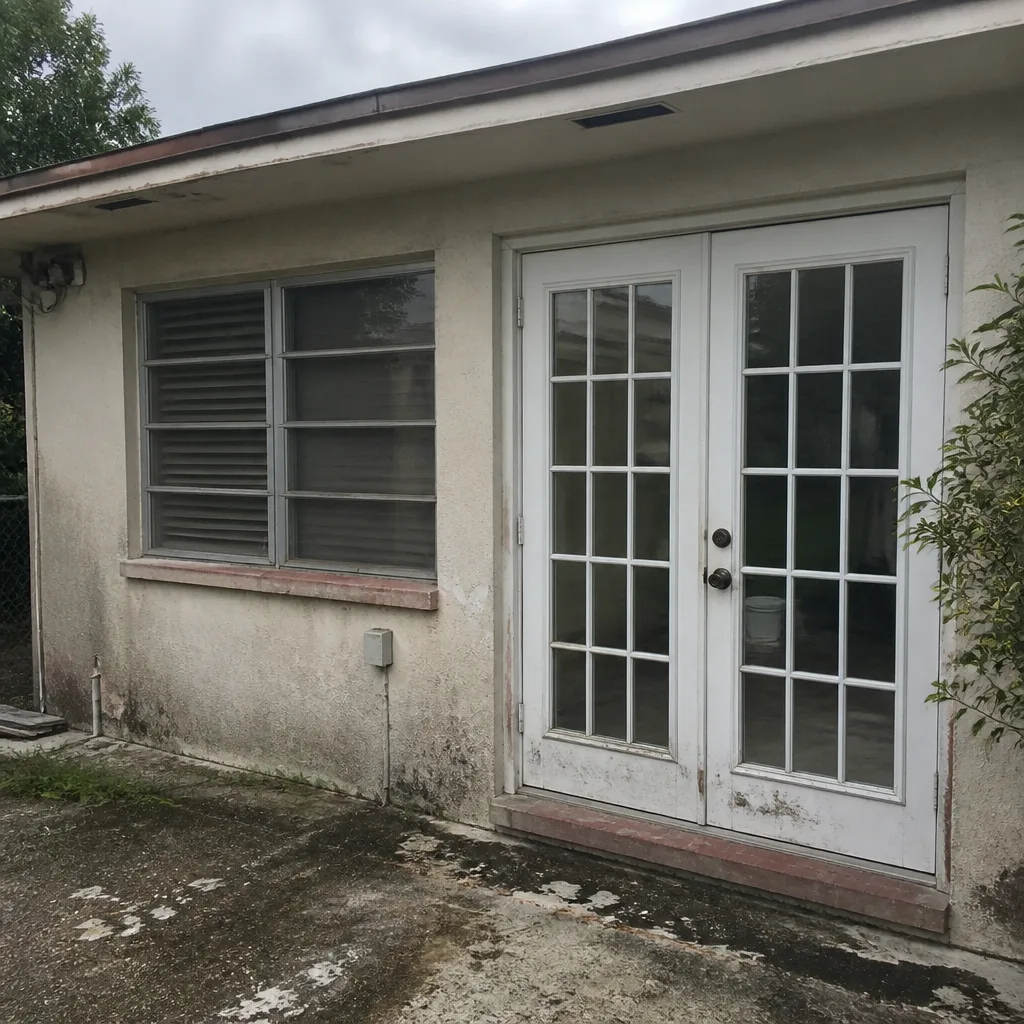 Before
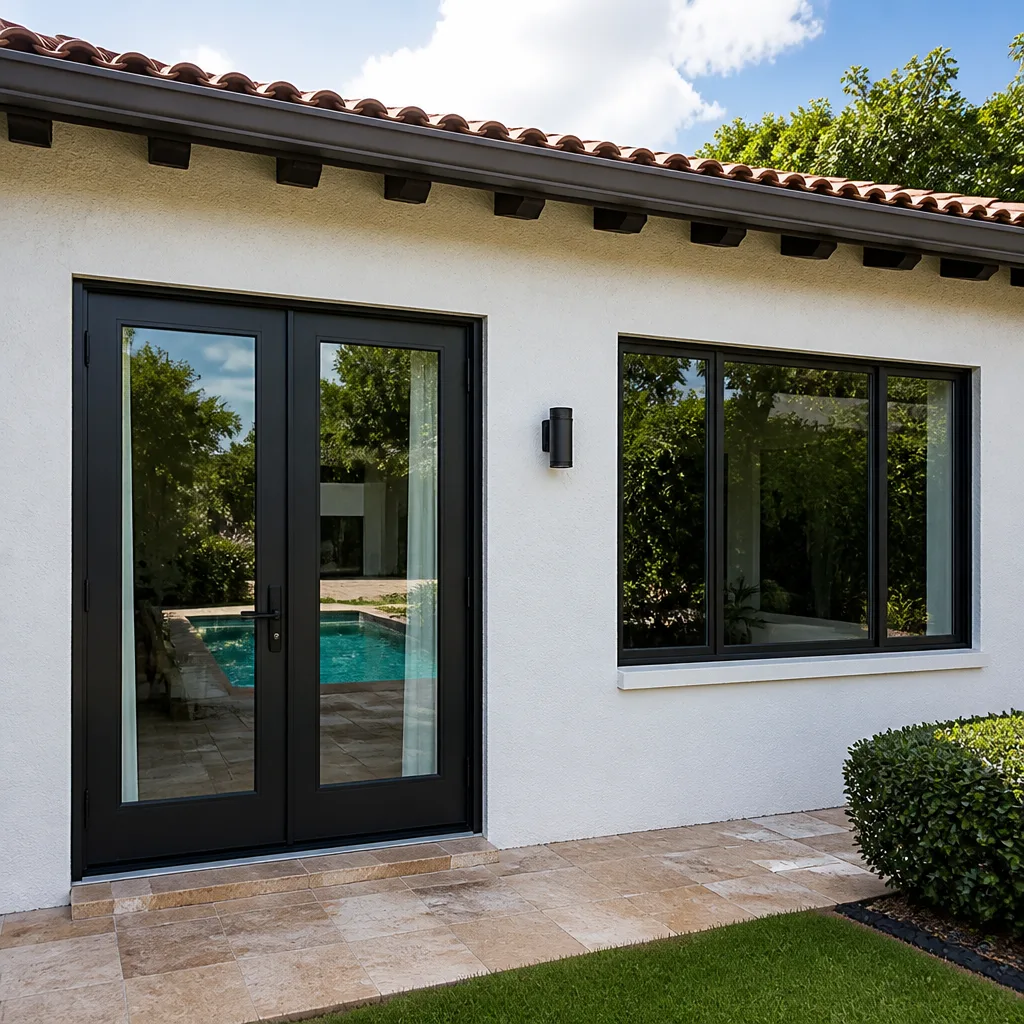 After
After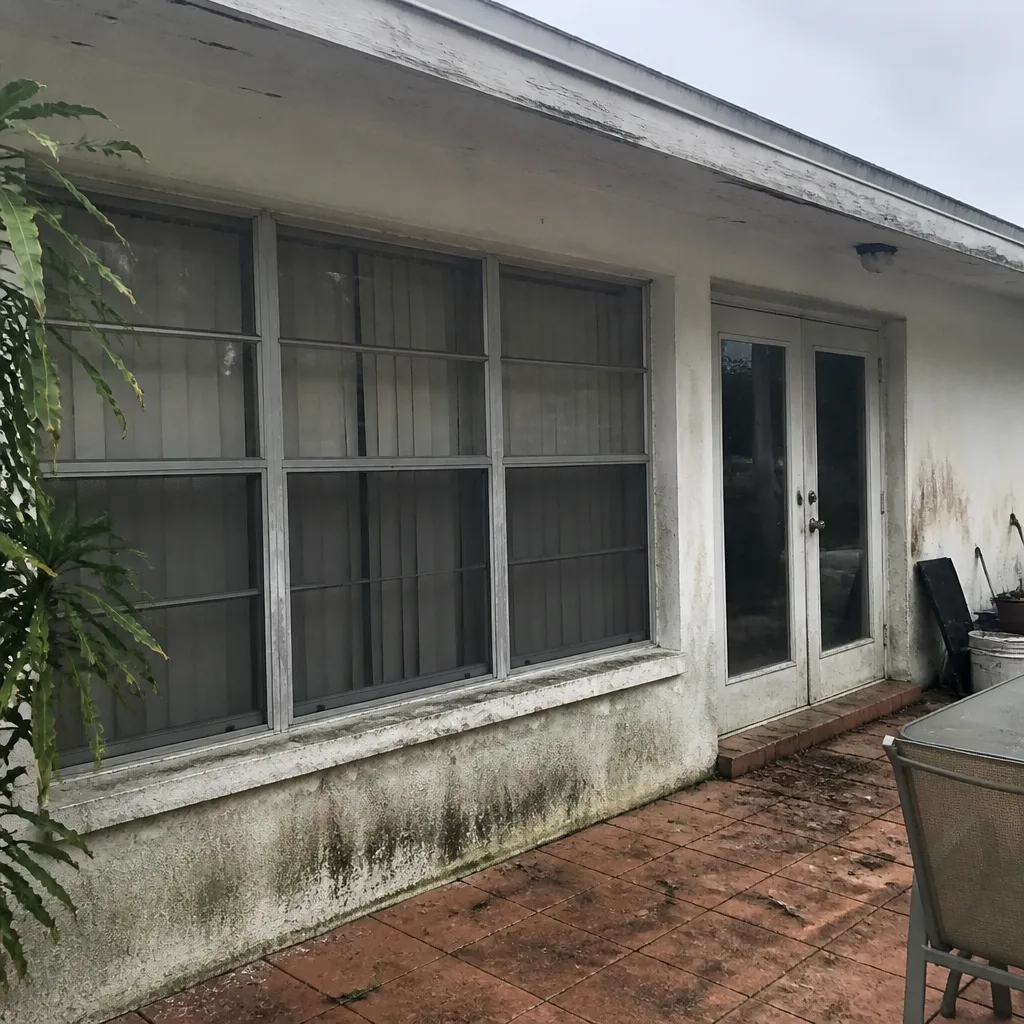 Before
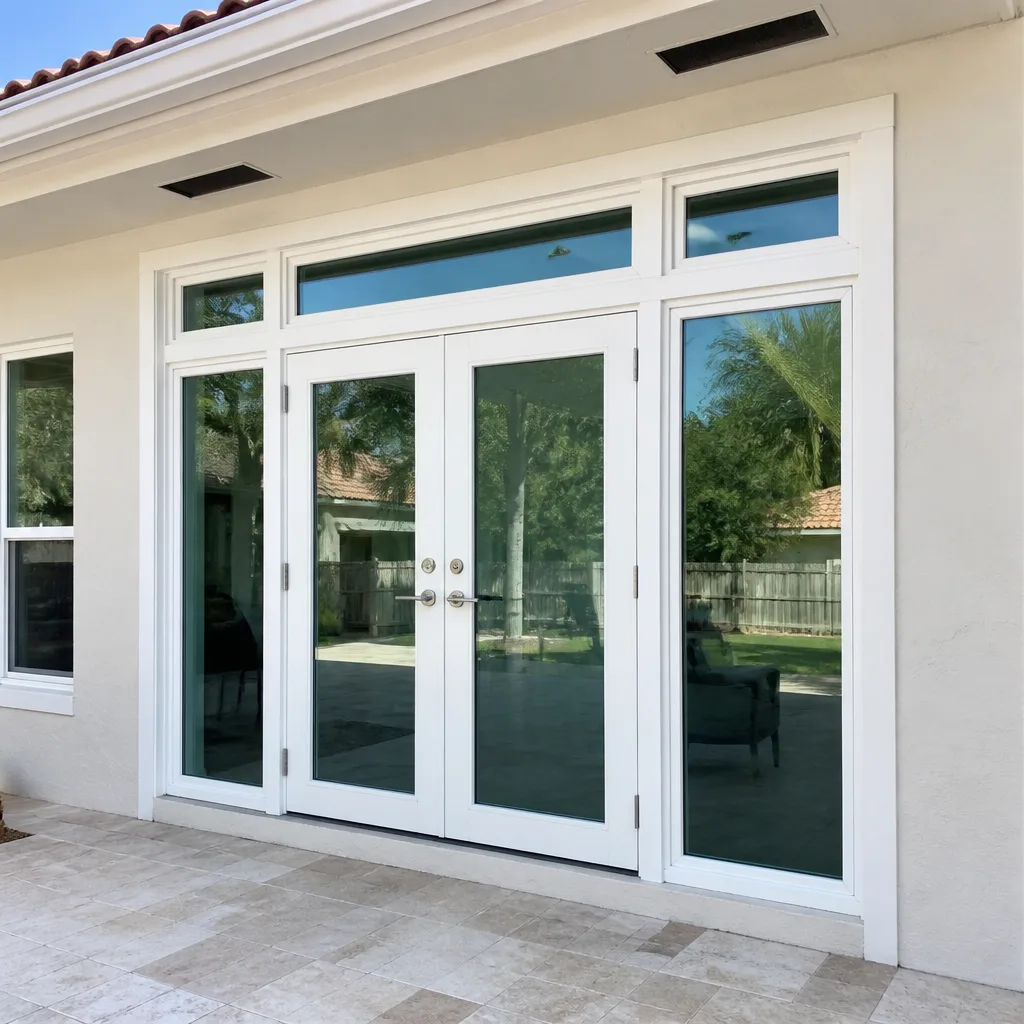 After
AfterHow to Hire a Windows & Doors Contractor in Tamiami: A Step-by-Step Guide
Florida’s DBPR license lookup shows over 200 contractors in Miami-Dade with a window and door endorsement. The license number tells you they passed a test; it tells you nothing about whether the price they quote today is the price on the invoice when the job is done. In Tamiami, where the building department processes permits under Miami-Dade County’s unified code and every coastal property faces HVHZ (High Velocity Hurricane Zone) requirements, the gap between a signed estimate and a final bill is where most post-project disputes begin. This guide teaches you to evaluate contractors by the structure of their paperwork before evaluating anything else: license class, quote format, permit handling, and product documentation. For more guides & resources on protecting your home investment, see our blog. What you learn here applies specifically to window and door work in Tamiami’s market, where impact-rated products, salt-air corrosion, and strict NOA compliance separate legitimate contractors from those who treat documentation as an afterthought.
Quick Answer
To hire a windows and doors contractor in Tamiami, verify they hold a CBC or CRC license (not just a specialty subcontractor), confirm their quote is a fixed document that becomes your invoice without add-ons, and check that every product carries a current Miami-Dade NOA approval. The best contractors provide a measured survey with physical opening dimensions, a line-itemized written scope, and a documented photo record - not a verbal estimate or a one-page summary.
Table of Contents
- Step 1: Understand the Three License Types That Matter in Miami-Dade
- Step 2: Ask the Scope-Lock Question Before Any Work Starts
- Step 3: Demand a Measured Survey, Not a Walkaround Estimate
- Step 4: Verify Five Line Items on Every Tamiami Quote
- Step 5: Check NOA Product Approvals Yourself
- Step 6: Confirm Who Pulls the Permit and Schedules Inspection
- Step 7: Review What Documentation You Receive at Project Close
- Common Mistakes to Avoid
- When to Call a Professional
- Frequently Asked Questions
- The Bottom Line
 Before
 After
AfterStep 1: Understand the Three License Types That Matter in Miami-Dade
Not every contractor who can legally install your windows can legally pull the permit for them. In Tamiami and all of Miami-Dade, three license classes handle window and door work, and the distinction determines who bears responsibility if the permit is rejected or the inspection fails.
CBC - Certified Building Contractor. This is a general-level license. A CBC can pull permits for commercial and residential work, can self-perform window and door installation, and can hire subcontractors. If your project involves structural modification to the opening, stucco repair, or any work beyond a direct unit-for-unit replacement, a CBC is required. Most established window and door companies in the Tamiami market operate under this license class because it removes permit restrictions.
CRC - Certified Residential Contractor. Similar scope to the CBC but restricted to residential structures of one, two, or three families. A CRC can pull permits for window and door replacement in single-family homes and townhouses, can self-perform, and can subcontract. For a typical Tamiami home in neighborhoods like Tamiami Lakes or the single-family sections near Flagami, a CRC is fully sufficient. The limitation only appears if your property is commercial, a condominium building under a different ownership structure, or requires structural engineering.
Specialty Window and Door Subcontractor. This license allows installation work only. A specialty subcontractor cannot pull their own permit; they must work under a CBC or CRC who assumes permit liability. This is common in new construction, where a general contractor holds the master permit and parcels out scopes. For a homeowner in Tamiami hiring directly, a specialty subcontractor creates a liability gap: if the permit is delayed or denied, you must chase the general contractor, not the installer.
What to verify: Ask for the license number and check it at myfloridalicense.com. Confirm the license status is “Current” and the classification matches the work. For a direct homeowner contract in Tamiami, we recommend hiring a CBC or CRC who self-permits, not a specialty subcontractor working under someone else’s license.
At Sightline Windows & Doors Tamiami, we operate under a CBC license and pull all permits directly. The license number is provided before any appointment, and the technician who arrives carries that same number on their uniform - Haven Clause 3, Verified Crews.
Step 2: Ask the Scope-Lock Question Before Any Work Starts
This is the single most important question in the entire hiring process. Ask it word for word:
“Is the document you give me today the same document that becomes my invoice?”
The answer you receive falls into one of two categories. Acceptable answers sound like this: “Yes, the written scope you sign is the final invoice line for line, unless you change the product or add openings.” Or: “Our quote is fixed; the only way the price changes is if you request a change order in writing.” These answers indicate a contractor who treats the quote as a binding document, not a starting negotiation.
Evasive answers sound like this: “We’ll get you in the ballpark today and firm it up once we start.” Or: “There might be some adjustments for conditions we can’t see.” Or: “Most jobs come in close to the estimate.” These are warnings. “Conditions we can’t see” is standard language for post-signing price increases. In Tamiami’s older housing stock, particularly in neighborhoods built between 1950 and 1980, contractors who don’t perform a measured survey often cite “discovered rot” or “unexpected framing” to justify 20-40% add-ons after work begins.
The scope-lock question tests whether the contractor has a process or a sales pitch. A contractor with a process can explain exactly how their quote is built, what assumptions it contains, and what would trigger a change order. A contractor with a sales pitch will redirect to urgency, availability, or a “special” pricing window.
Haven Clause 1 - Have it in writing - is the foundation of our work at Sightline. The measured survey we leave with you and the written quote we provide are the same document that becomes your invoice. We have operated this way since 2012 because the alternative, where the quote and the invoice diverge, is the leading source of disputes in this trade.
Step 3: Demand a Measured Survey, Not a Walkaround Estimate
A legitimate window or door replacement in Tamiami requires physical measurement of every rough opening. Not a laser pointer waved from the hallway. Not a “we’ll measure on install day.” A measured survey, conducted before any quote is written, with notation of conditions that affect product selection and labor.
What a proper measured survey includes:
- Physical dimensions of every rough opening. Width, height, and depth, measured in three places per dimension (top/middle/bottom for width; left/center/right for height). Openings out of square by more than 1/4 inch require shimming or reframing, which affects labor.
- Notation of existing flashing conditions. In Tamiami’s HVHZ zone, improper flashing is the leading cause of water intrusion claims. The survey should note whether existing flashing is intact, whether the sill pan is present, and whether the water barrier integration meets current code.
- Frame and substrate assessment. Wood frames in pre-1990 Tamiami homes often show termite damage or rot at the sill. A measured survey notes soft spots, prior repair patches, or delamination that requires remediation before new units are installed.
- Line-itemized written output. Not a single bottom-line number. Each opening listed separately with product specification, labor allocation, and any conditions noted. This is the document you keep; this is the document that becomes your invoice.
Contractors who skip the measured survey and offer a “ballpark” over the phone or after a 10-minute walkthrough are not estimating your job. They are estimating an average job, and you will pay the difference later. In our experience across 18,000+ openings since 2012, the measured survey prevents more disputes than any other single step. It is also the standard we apply to every window replacement in Tamiami and every door installation in Tamiami.
The customer keeps the measured survey. This matters. If a contractor’s “survey” exists only on their tablet or in their head, you have no reference when the install crew arrives with a different understanding of the scope.
Step 4: Verify Five Line Items on Every Tamiami Quote
A legitimate quote for window or door work in Tamiami is not a single number. It is a line-itemized document with at least these five elements. Missing any one is a reason to pause.
| Line Item | What It Should Show | Why It Matters in Tamiami |
|---|---|---|
| Product NOA Number | The Miami-Dade Notice of Acceptance number for each product, e.g., NOA 18-0723.04 | HVHZ compliance is non-negotiable; without a current NOA, the product cannot pass inspection |
| Labor Rate | Per-opening labor cost or hourly rate with estimated hours, not “labor included” | Lets you compare labor efficiency across bids; vague labor invites post-signing add-ons |
| Permit Fee | Miami-Dade building permit fee, typically $85-$250 for residential window/door replacement | Required for all work; if missing, ask who pays and who pulls |
| Inspection Fee | Separate line for required inspections (rough and final, or combined) | Miami-Dade requires inspection for all permit work; some contractors bundle, some separate |
| Haul-Away | Cost to remove and dispose of existing units, including debris | Old windows and doors are bulky; “hauling included” without a line item often means “we’ll figure it out later” |
Additional line items that should appear for specific conditions: reframing labor (if openings are out of square), stucco or drywall repair (if the new unit has a different frame depth), and custom exterior finish (if color matching is required). These are not upsells. They are scope elements that honest contractors identify in the measured survey and price upfront.
A quote without line items is not a quote. It is a proposal to negotiate later, when you have less leverage. In Tamiami’s competitive market, we have reviewed competitor estimates that list a single number - “$14,500 for 12 windows” - with no product specification, no labor breakout, no permit notation. These documents are not comparable to a line-itemized scope, and they are not documents that can become an invoice without substantial change.
Our quotes specify by opening: product manufacturer (PGT, CGI, CWS, ES Windows, ECO Window Systems, Mr-Glass, Therma-Tru, or ViewLux), product series, NOA number, U-factor and SHGC ratings, labor hours, permit and inspection fees, and haul-away. The total is the sum of visible parts, not a black box.
Step 5: Check NOA Product Approvals Yourself
Miami-Dade County maintains a public-facing database of all products approved for installation in the High Velocity Hurricane Zone. Every window and door installed in Tamiami must carry a current Notice of Acceptance (NOA). This is not a manufacturer claim; it is a county-issued document with specific testing data, installation limitations, and expiration dates.
How to verify an NOA:
- Go to the Miami-Dade Product Control Search at miamidade.gov/productcontrol
- Enter the NOA number from your quote (format: NOA YY-XXXX.XX)
- Confirm the product description matches what was quoted - same manufacturer, same series, same configuration
- Check the expiration date; expired NOAs require renewal or replacement with an approved alternative
- Review the installation limitations section; some NOAs restrict mounting height, frame type, or substrate condition
We have encountered situations in Tamiami where a contractor quotes a product with an expired NOA, planning to substitute at install time with whatever is in stock. We have also seen products approved for inland Florida but not for HVHZ, installed in coastal Tamiami properties where they cannot pass inspection. The NOA verification takes five minutes and protects you from both scenarios.
At Sightline, every product on every quote carries a current NOA, and we provide the number for customer verification before any commitment. Our eight manufacturer lines - including PGT impact-rated systems, Therma-Tru entry doors, and Mr-Glass specialty glazing - are specified by what the opening requires and what the NOA permits, not by warehouse availability.
Step 6: Confirm Who Pulls the Permit and Schedules Inspection
In Miami-Dade County, window and door replacement requires a building permit for all exterior openings. The permit application includes product NOA documentation, installation details, and sometimes structural calculations. Inspection occurs at rough (if framing is modified) and final (for operational and seal verification).
Critical questions to ask:
- Who submits the permit application - your contractor, or are you expected to do it?
- Who pays the permit fee - is it in your quote or a separate charge?
- Who schedules inspections and meets the inspector on site?
- What happens if the inspection fails - who pays for re-inspection and remediation?
Contractors who ask homeowners to pull their own permits are transferring liability. If the permit is rejected for incomplete documentation, the homeowner must resolve it. If the inspection fails, the homeowner must schedule re-inspection. This is not standard practice for legitimate window and door contractors in Tamiami.
A CBC or CRC contractor should handle permits as part of standard service. The permit fee should appear on your quote. The contractor should schedule inspections around your availability and should attend without requiring your presence. Re-inspection due to installer error should be the contractor’s cost, not yours.
In Tamiami’s building department workflow, permit turnaround is typically 5-10 business days for residential window and door replacement, with inspection scheduling adding 2-5 days. Contractors who promise permits “in 24 hours” are often using expedited services that cost extra or are making promises they cannot keep. Ask for realistic timelines in writing.
Step 7: Review What Documentation You Receive at Project Close
The end of a window or door project is not when the crew leaves. It is when you receive complete documentation: permit closure, inspection sign-off, warranty records, and photographic evidence of completed work. This documentation is what you need for insurance claims, property sale disclosures, and future service.
What you should receive:
- Permit closure documentation. Proof that final inspection passed and the permit is closed. Open permits create title problems when you sell.
- Manufacturer warranty registration. Most window and door warranties require homeowner registration within 30-90 days of installation. The contractor should provide the necessary documentation or confirm registration was completed.
- Workmanship warranty. A written document specifying what is covered, for how long, and who to contact for claims. Vague verbal assurances are not warranties.
- Photo record of completed installation. Documented evidence of finished work, including frame integration, sealant application, and operational testing. This protects both parties if issues arise later.
Haven Clause 4 - Evidence on every job - requires a documented photo record of every installation we complete. The customer receives access to this record, not just a verbal report that “everything looks good.” Since 2012, this practice has resolved more potential disputes than any other single element of our process, because a photograph of proper sealant application or flashing integration is not debatable.
The 365-Day Done Right Promise, written into every Sightline engagement under the Haven Standard, is also documented: if any element of the installation is not done right, we make it right. The promise is stamped on the job record, not offered as a courtesy after a complaint.
Common Mistakes to Avoid
- Accepting a phone estimate without a measured survey. In Tamiami’s varied housing stock, from 1950s concrete block to 2000s frame construction, opening conditions vary dramatically. A phone estimate averages these conditions and guarantees a price adjustment later.
- Hiring based on the lowest per-window price. A $395-per-window quote that lacks permit fees, haul-away, or proper flashing remediation becomes a $575-per-window invoice. Compare line-itemized scopes, not bottom lines.
- Ignoring license class. A specialty subcontractor may install beautifully but cannot resolve permit problems. Verify your contractor holds CBC or CRC classification for direct homeowner work.
- Skipping NOA verification. Miami-Dade’s HVHZ requirements are strict and specific. A product that works in Orlando may fail inspection in Tamiami. Five minutes of verification prevents weeks of delay.
- Signing without a written change-order process. Every legitimate contract specifies what triggers a price change and how it is documented. Contracts without this clause invite arbitrary add-ons.
- Failing to confirm inspection scheduling. Some contractors install and disappear, leaving the homeowner to discover months later that final inspection never occurred and the permit remains open.
- Neglecting to ask about crew verification. In Tamiami, where contractors often send third-party installation teams, ask whether the technicians are employees or subcontractors, and whether they are background-checked and identified by license number before arrival.
When to Call a Professional
Certain conditions in Tamiami homes require professional assessment before any product selection, as covered in our Seasonal Windows & Doors Care for Tamiami: Year-Round Homeowner’s Guide. Call a licensed contractor if you notice water staining around window frames, especially after summer storms - this indicates failed flashing that simple replacement won’t resolve. Call if your existing windows are original to a pre-1992 home and you need HVHZ-rated replacements; the framing and substrate may require remediation to support modern impact-rated units. Call if you’re considering converting a sliding door to a swinging French door or enlarging any opening; this is structural work requiring engineering and a CBC-level permit.
Sightline Windows & Doors Tamiami offers free estimates in Tamiami - call (786) 321-9118. Every estimate includes a measured survey you keep, a line-itemized written quote that becomes your invoice, and verification of all product NOAs before any commitment. We also provide a free second opinion on any written estimate from another contractor; bring us their line-itemized scope and we will review it for completeness and accuracy at no charge.
Frequently Asked Questions
Window replacement in Tamiami typically ranges from $650 to $1,400 per opening for impact-rated vinyl or aluminum units, including product, labor, permit, and haul-away. See our Windows & Doors Cost Breakdown: The Tamiami Homeowner’s Reference for 2026 for detailed pricing factors. Custom sizes, geometric shapes, or high-performance glazing (low U-factor, low SHGC) push the upper range. Call (786) 321-9118 for an exact quote - estimates are free, and we provide a measured survey before any pricing.
Impact-rated windows are required in Miami-Dade’s HVHZ and are tested to withstand wind-borne debris at high velocity. Regular windows, even if labeled “hurricane-resistant,” lack the specific Miami-Dade NOA required for permit approval here. In Tamiami, all exterior window and door replacement should use HVHZ-approved impact-rated products with current NOAs.
A standard replacement of 8-12 windows in a single-family home takes 2-3 days of installation, plus 5-10 business days for permit processing and 2-5 days for inspection scheduling. Our Window Installation Maintenance Checklist for Tamiami Homeowners covers what to expect at each stage. Complex projects with reframing, stucco repair, or custom products extend this timeline. Your contractor should provide a written schedule with permit and inspection milestones included.
With a proper measured survey and line-itemized quote, the price should not change unless you request a change order in writing. Beware contractors who cite “unforeseen conditions” without prior documentation. At Sightline, the written quote is the invoice - Haven Clause 1 - and any change requires your written approval with a revised scope.
Yes. As a CBC-licensed contractor, we pull all permits directly and include the fee in your line-itemized quote. We schedule inspections, attend as required, and ensure permit closure. You receive documentation of final inspection pass and permit closure for your records.
Verify the NOA number on the Miami-Dade Product Control Search database. Confirm the product description matches your quote, check the expiration date, and review installation limitations. We provide NOA numbers for every product on every quote and encourage customer verification before commitment.
The Bottom Line
Hiring a windows and doors contractor in Tamiami is not about finding the lowest price or the fastest availability. It is about finding a contractor whose paperwork process protects you from the most common source of dispute: a quote that changes after you sign. Verify license class. Ask the scope-lock question. Demand a measured survey with line-itemized output. Check product NOAs yourself. Confirm permit and inspection handling. And review what documentation you will receive when the job is done. Contractors who excel at these steps - who treat documentation as the core of their service, not an afterthought - are the contractors who deliver what they promise at the price they quoted.
Call (786) 321-9118 to schedule your free estimate. You’ll receive a measured survey you keep, a written quote that becomes your invoice, and verification of every product’s Miami-Dade approval before any commitment.
Written by Sonia Raman, Owner at Sightline Windows & Doors Tamiami, serving Tamiami since 2012.