
Last updated September 24, 2026
Free in-home measure and quote - PGT, CGI and CWS impact lines compared on your actual openings, style by style
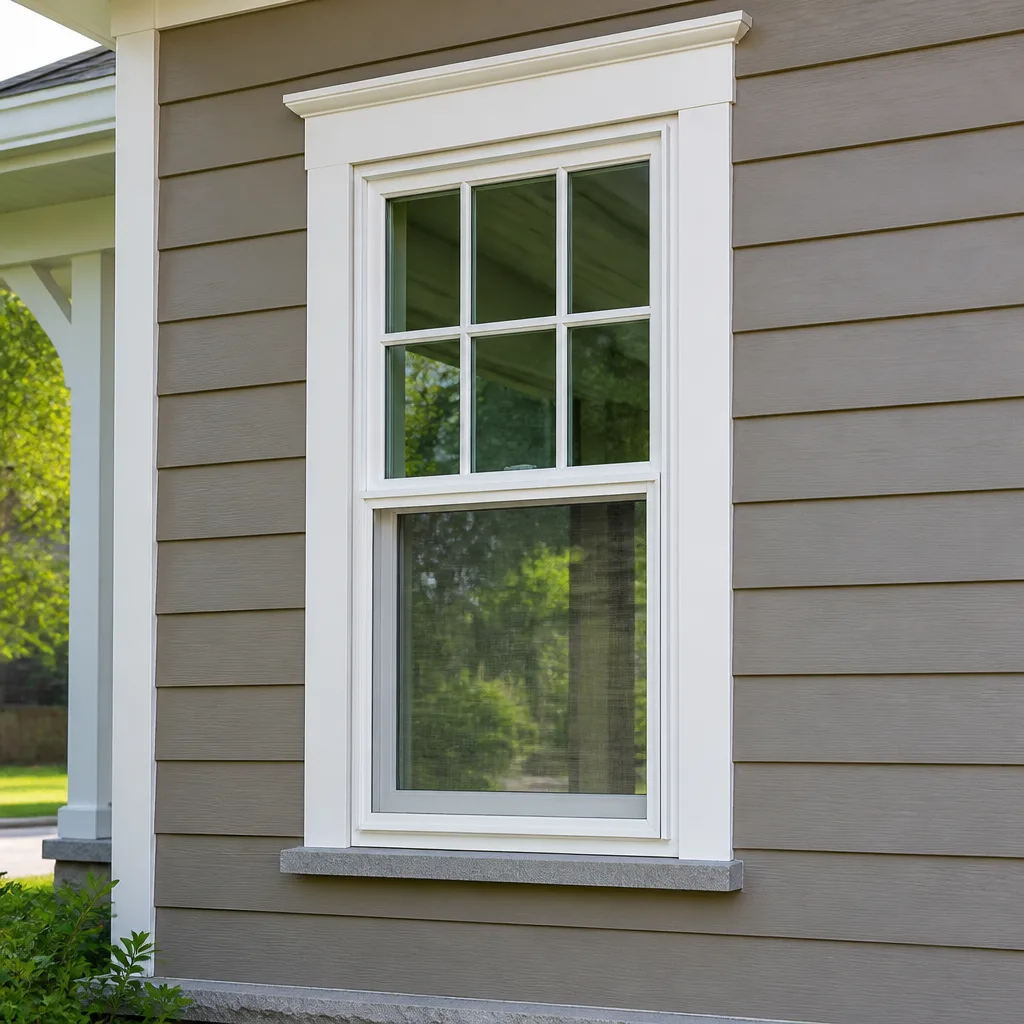
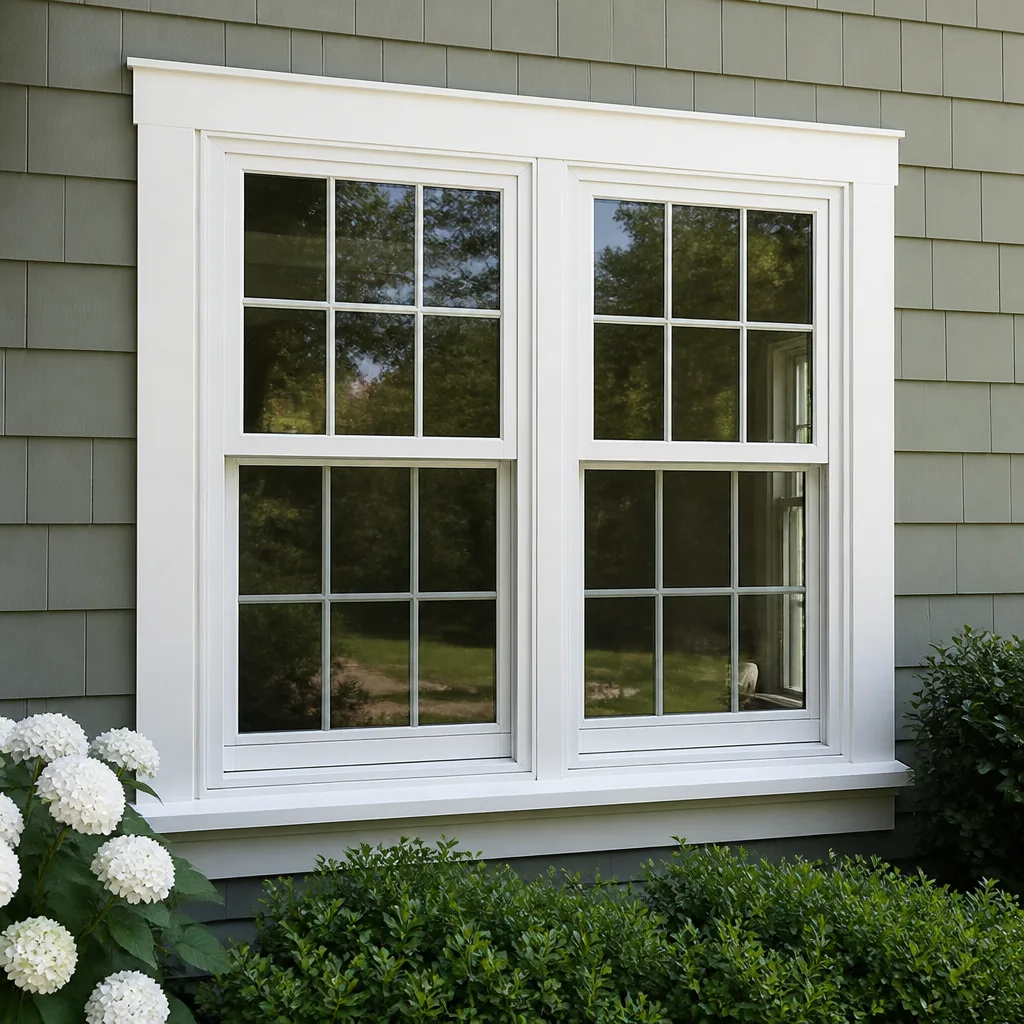
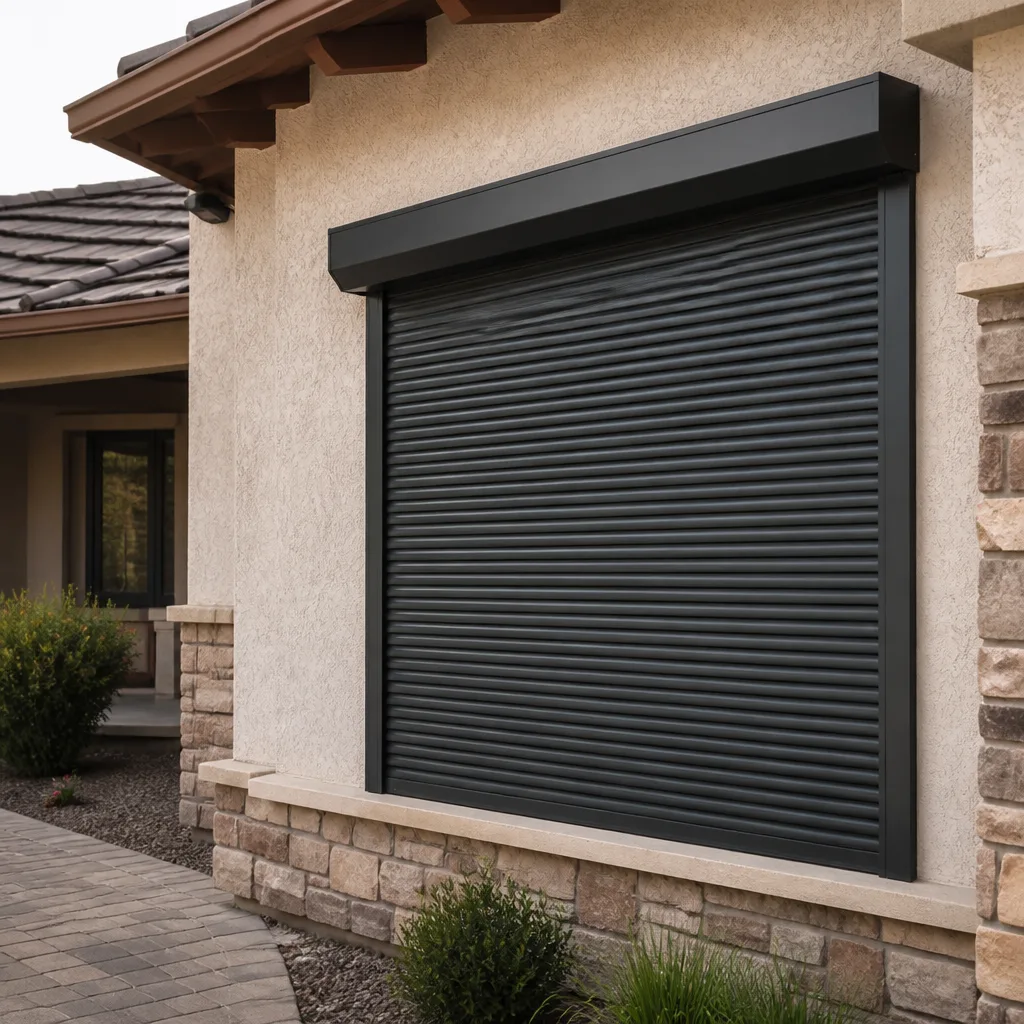
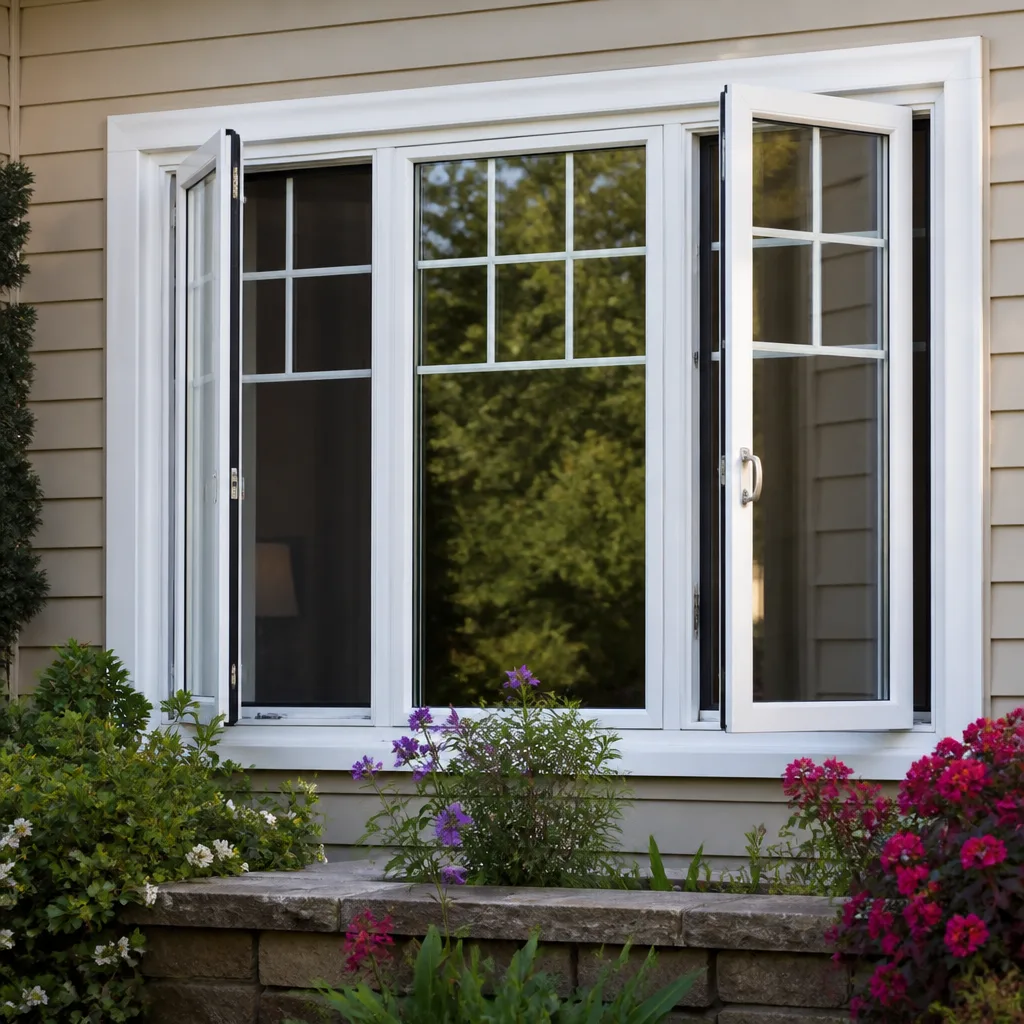
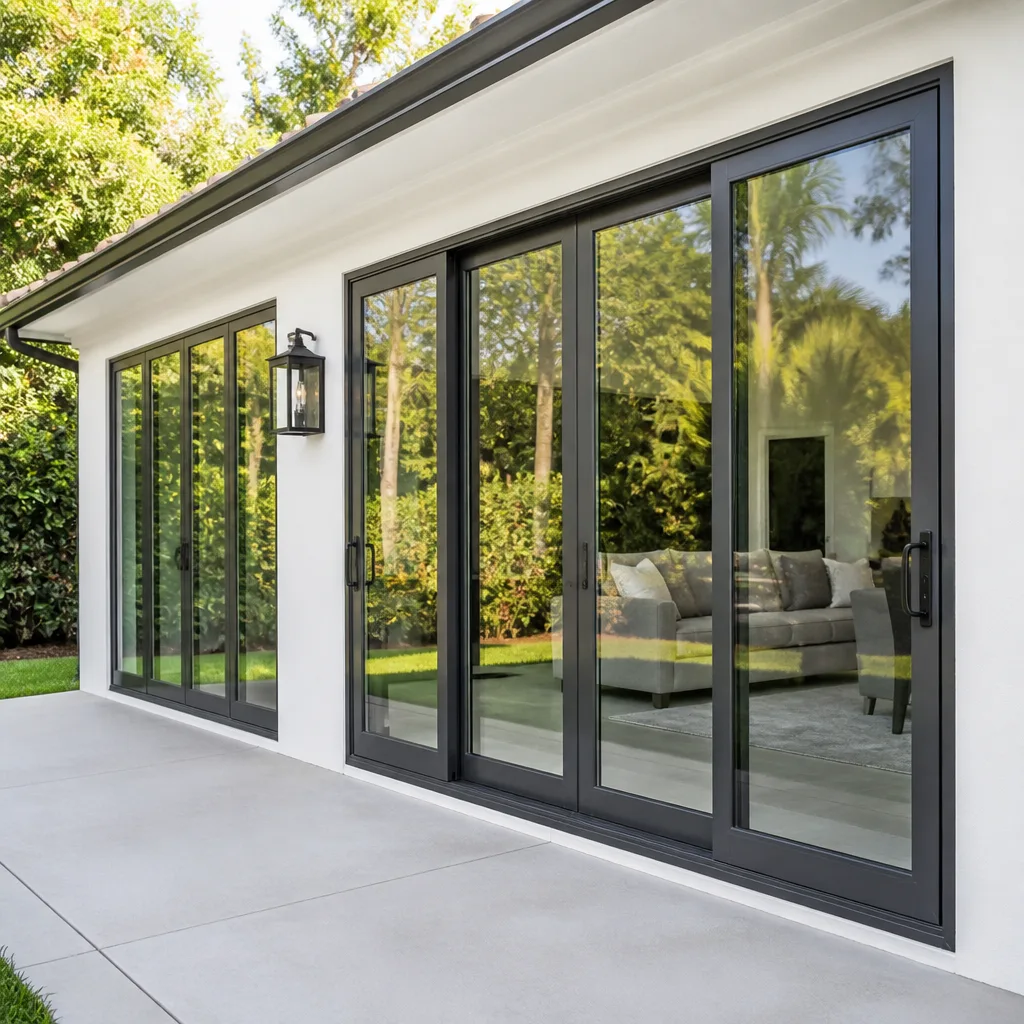
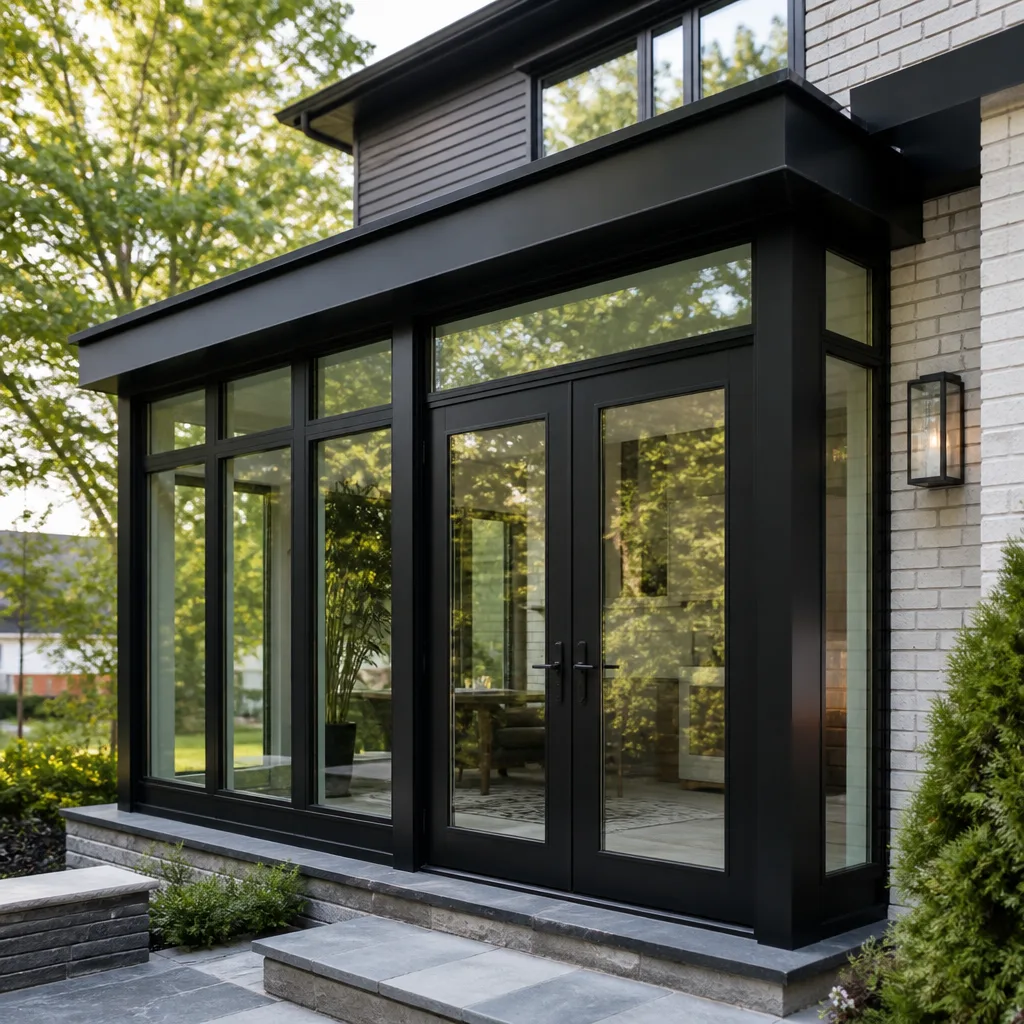
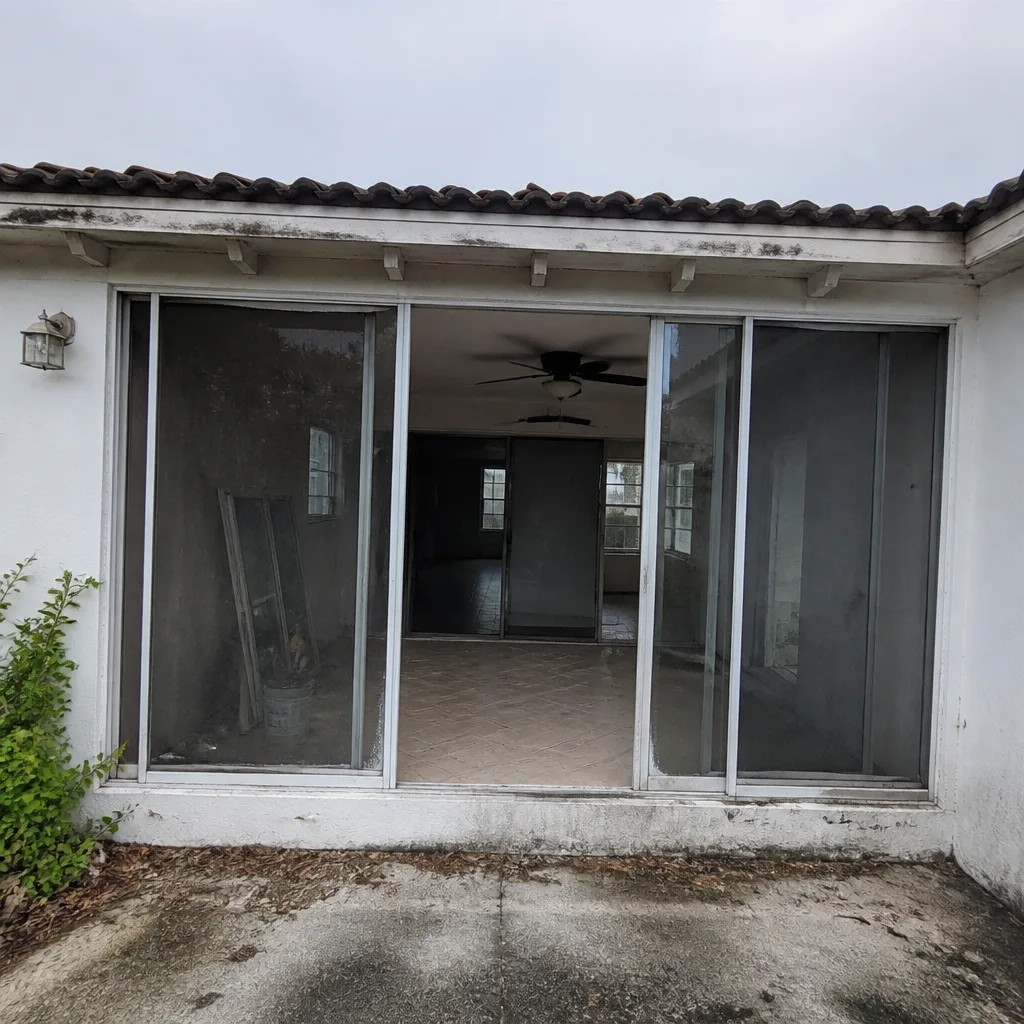 Before
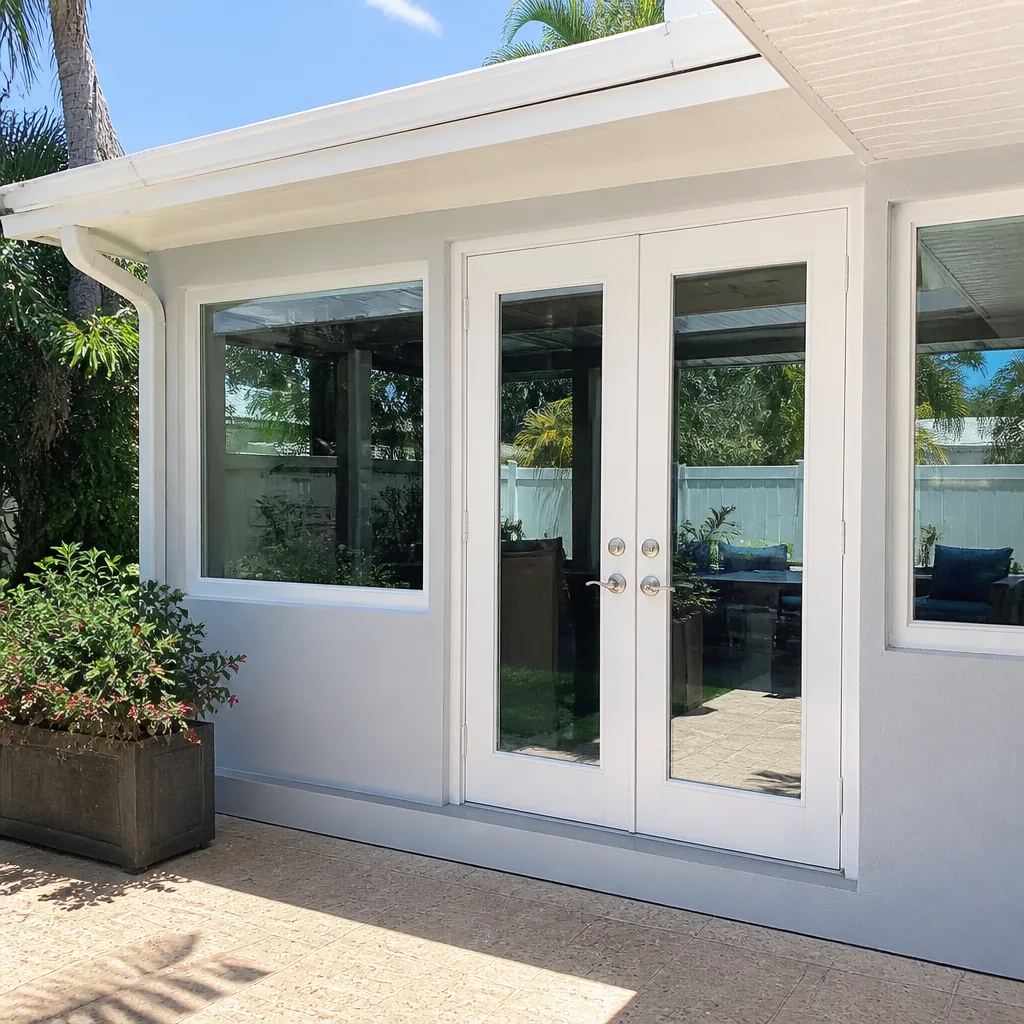 After
After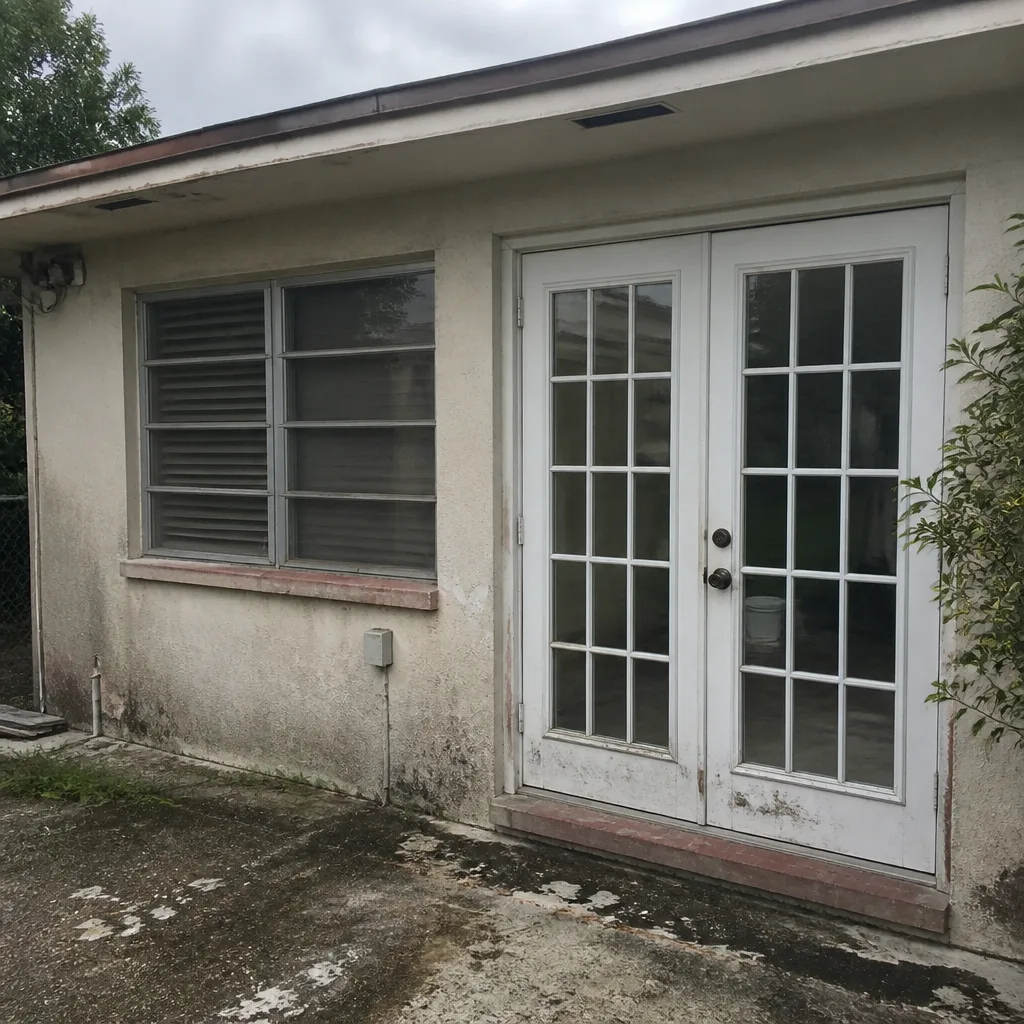 Before
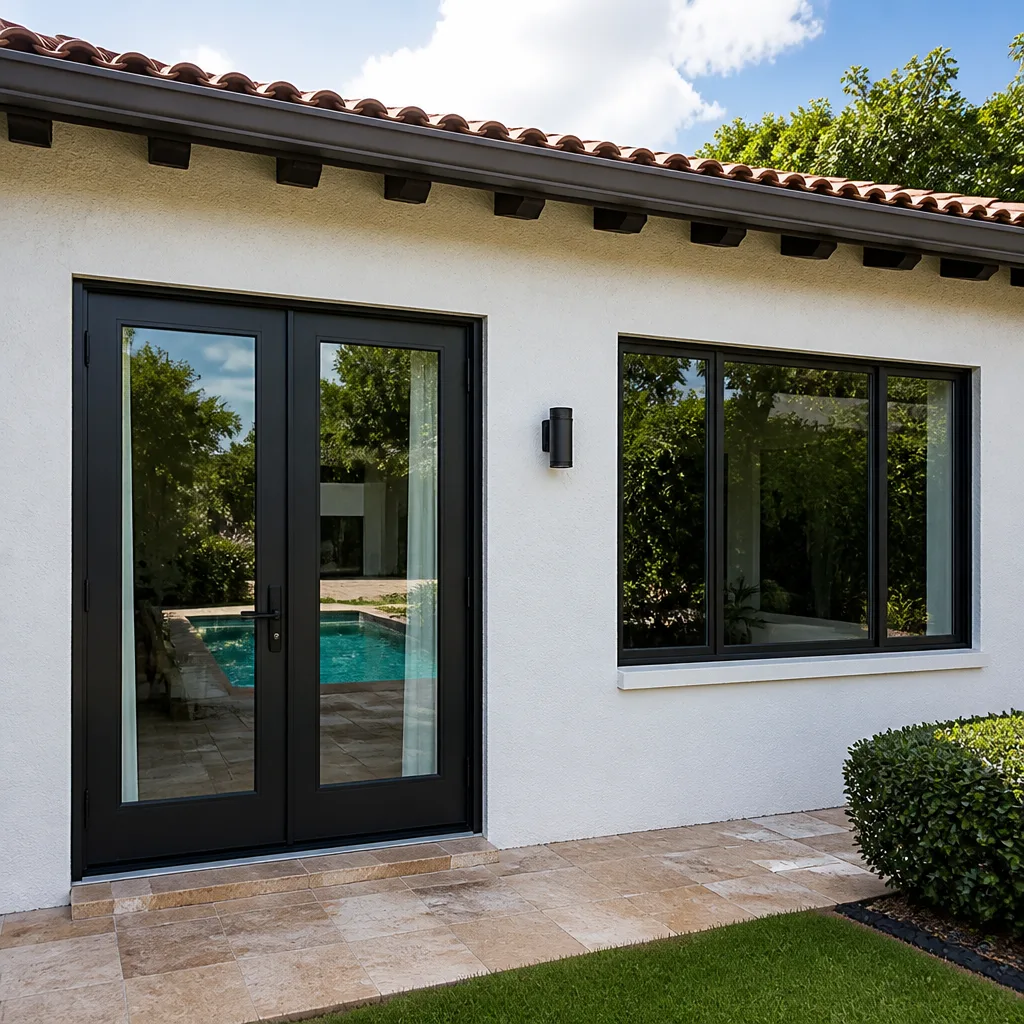 After
After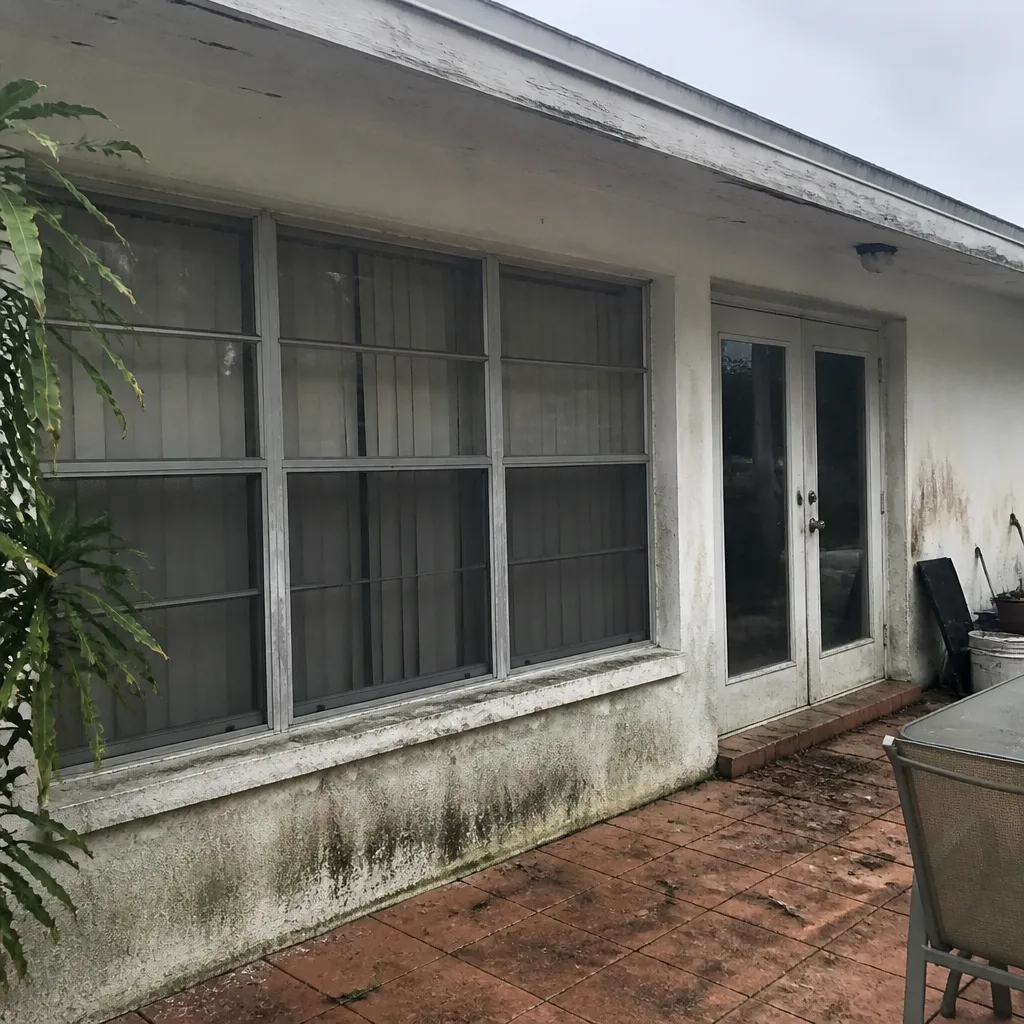 Before
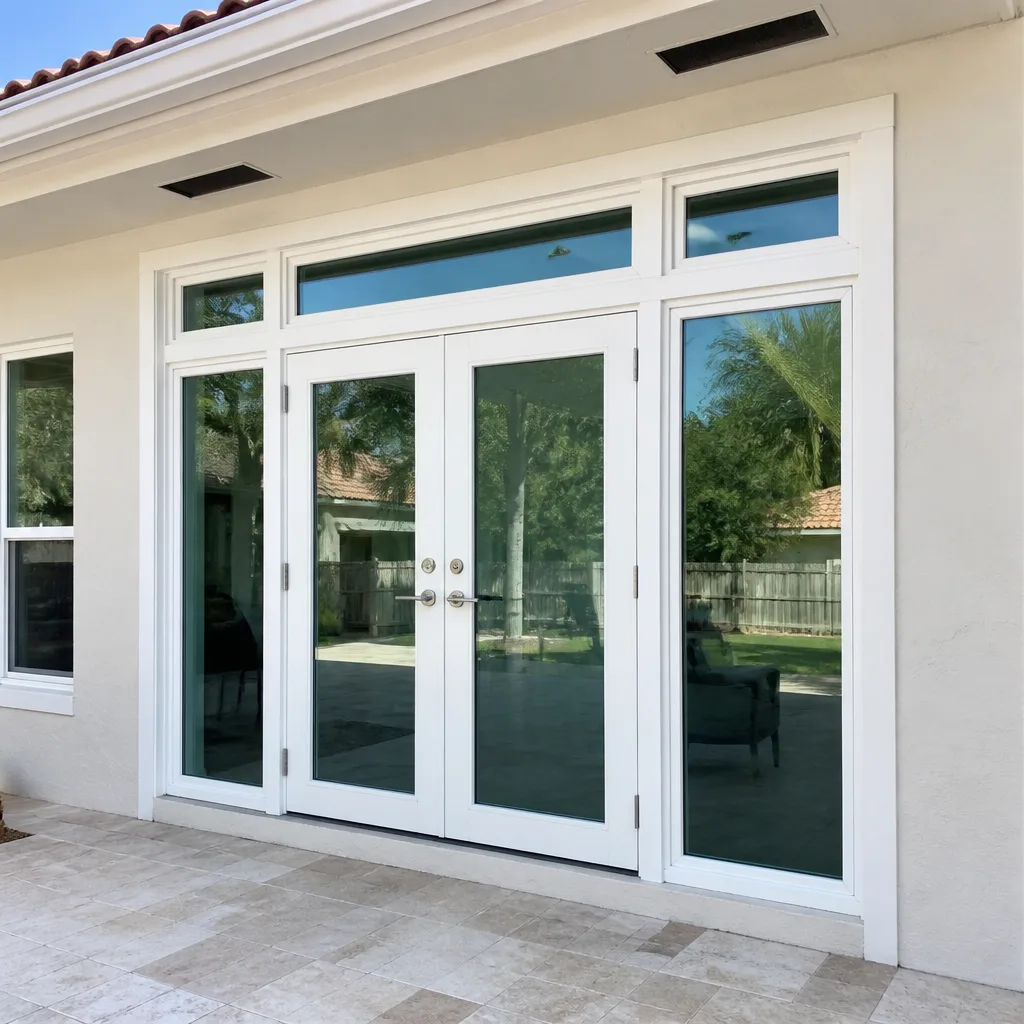 After
AfterWindow Installation Maintenance Checklist for Tamiami Homeowners
Impact glass is rated to a design pressure, not to infinity. A window installed with fasteners spaced two inches beyond the NOA-specified pattern can lose its rated DP at the first major pressure event - and no visual inspection from the street will reveal that gap. In Tamiami, where the building code sits at the intersection of Miami-Dade’s strictest wind-borne debris requirements and a humid subtropical climate that degrades sealant twice as fast as inland Florida, the gap between “looks fine” and “performs as rated” widens every year. This checklist covers the seven mechanical and structural conditions that determine whether your windows perform at specification five hurricane seasons from now - not just the day the truck leaves.
Quick Answer
Tamiami homeowners should inspect window installations on four schedules: weekly visual checks during the first month, quarterly hardware and sealant reviews, semi-annual fastener and flashing inspections, and annual documented photo comparisons against the original install record. The critical failure points are fastener spacing against Miami-Dade NOA specifications, sealant degradation from humidity and salt-air exposure, and sill pan flashing integrity during heavy rain events - all covered under Windows & Doors Permits, Codes & Inspections in FL: What You Need to Know.
Table of Contents
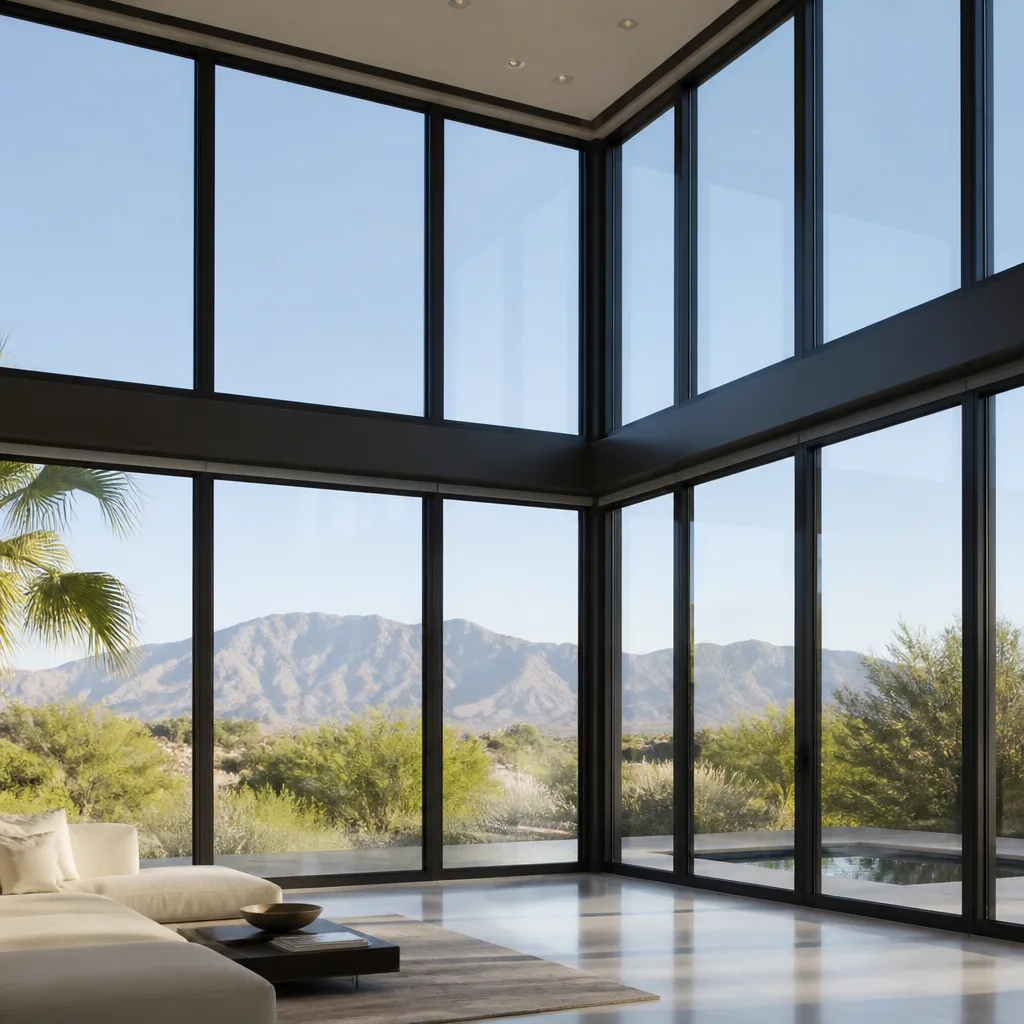
- How to Verify Fastener Spacing and Embedment Depth
- The Three Sealant Failure Points in Tamiami’s Climate
- 12-Month Maintenance Calendar for Tamiami Weather
- What a Documented Photo Record Should Prove
- Hardware Lubrication for Salt-Air Exposure
- Protecting Your Impact Rating Over Time
- Common Mistakes to Avoid
- When to Call a Professional
 Before
 After
AfterHow to Verify Fastener Spacing and Embedment Depth
Every impact-rated window installed in Tamiami carries a Miami-Dade Notice of Acceptance (NOA) that specifies exactly how fasteners must be placed: the spacing pattern, the embedment depth into structural framing, the diameter, and the corrosion rating. These aren’t suggestions. They’re the conditions under which the window achieved its design pressure rating, and any deviation voids the rating whether or not the sticker remains on the glass.
Here’s what the NOA documentation should show, and what you should request from your installer if you don’t have it:
- Fastener spacing at perimeter: Typically 4 to 6 inches on center along jambs and head, with closer spacing at corners (often 2 to 3 inches). The exact dimension varies by manufacturer and frame material - aluminum, vinyl, or reinforced composite each carry different requirements.
- Embedment depth: The fastener must penetrate structural wood or steel by a minimum depth, usually 1.5 inches for wood framing, with full thread engagement. Into concrete or masonry, the specification changes to anchor type and embedment.
- Corrosion resistance: Stainless steel or hot-dip galvanized fasteners are standard for coastal exposure zones. Standard zinc-plated fasteners begin corroding within 18 months in Tamiami’s salt-air environment.
- Pre-drilling and spacing from edges: The NOA specifies minimum distance from frame edges to prevent splitting or blowout.
At Sightline Windows & Doors Tamiami home, every installation leaves a measured survey the customer keeps, and the fastener pattern is photographed before trim covers it. If your installer cannot produce a photo showing fasteners before the finish trim went on, you have no proof of compliance. Request it. The Window Installation in Tamiami process we follow documents this as standard under Haven Clause 4: Evidence on every job.
What to check yourself: remove a small section of interior trim if accessible, or use an inspection camera through the weep hole. Count fasteners. Measure spacing with a tape. Compare to the NOA table in your window documentation. If spacing exceeds specification by even one inch at the corners, the window’s impact rating is compromised. This is not a cosmetic issue. It’s a structural one.
The Three Sealant Failure Points in Tamiami’s Climate

Tamiami’s humid subtropical climate creates specific sealant failure modes that inland Florida doesn’t see at the same rate, as detailed in our Windows & Doors Cost Breakdown: The Tamiami Homeowner’s Reference for 2026. Relative humidity stays above 70 percent for seven months of the year, and the combination of UV exposure, salt aerosol from Biscayne Bay, and thermal cycling between 55°F winter nights and 95°F summer afternoons degrades sealant formulations faster than their published service life.
The three failure points we document most often in Tamiami service calls:
Sill Pan Flashing
The sill pan is the formed or fabricated receptor at the bottom of the rough opening that directs incidental water to the exterior. In Tamiami, where afternoon thunderstorms drop 2 to 4 inches in an hour, a sill pan without proper end dams or with sealant bridging instead of mechanical fastening will allow water to migrate into the wall cavity. The failure doesn’t show at the window. It shows as drywall staining six inches below the sill, or as baseboard swelling, usually 8 to 14 months after installation.
What to inspect: Look for standing water in the sill track after rain. Check that weep holes remain unobstructed - paint or debris often blocks them within the first year. Verify that the sill pan extends to the exterior sheathing plane, not just to the interior of the frame.
Head Flashing
The head flashing bridges the gap between window frame top and wall weather-resistive barrier. In Tamiami’s driving rain events, wind pressure forces water upward and inward at the head joint. Without a proper pan flashing with end dams, or with sealant substituted for metal flashing, water enters above the window and travels down interior cavities.
What to inspect: From the exterior, verify continuous metal or membrane flashing with visible drip edge. From the interior, check for discoloration at the upper corners of the window surround. These are the first points to show head flashing failure.
Frame-to-Rough-Opening Gaps
The gap between window frame and rough framing should be filled with backer rod and sealant, or with low-expansion foam and sealant cap, depending on the manufacturer’s specification. In Tamiami’s humidity, uncured or improperly gapped sealant develops shrinkage cracks within 18 months. These cracks don’t leak immediately - they leak after the sealant’s adhesion fails during the next thermal expansion cycle.
What to inspect: Run a probe (a wooden coffee stirrer works) along the interior perimeter joint. If it penetrates more than 1/4 inch, the sealant has shrunk or debonded. Check exterior joints similarly. Any through-gap from interior to exterior, even at a single point, bypasses the window’s water management.
Products from manufacturers like ES Windows and CWS specify the exact sealant type and joint dimension for their frames. Generic “100% silicone” applied without regard to movement capability will fail prematurely. The specification matters.
12-Month Maintenance Calendar for Tamiami Weather
Generic seasonal advice doesn’t fit Tamiami. Our wet season runs May through October, with peak tropical activity August through October. The dry season, November through April, brings lower humidity but stronger frontal winds. Salt-air corrosion accelerates in summer when higher temperatures increase evaporation and aerosol deposition. This calendar matches actual local conditions.
| Month | Task | What to Look For |
|---|---|---|
| January | Hardware operation check | Stiffness, grinding, or salt residue on tracks and rollers |
| February | Interior sealant inspection | Shrinkage cracks at frame-to-drywall joint, especially north-facing windows |
| March | Exterior sealant pre-wet-season review | Adhesion loss, chalking, gaps at head and sill |
| April | Fastener corrosion check (accessible areas) | Rust staining at exposed fasteners, swelling of trim screws |
| May | Weep hole clearing before first major storms | Debris, paint, insect nests blocking drainage |
| June | Sill pan function test during heavy rain | Standing water, overflow, interior dampness below window |
| July | Impact laminate inspection | Delamination edges, spider cracks in interlayer (call professional) |
| August | Hardware lubrication (salt-air interval) | See detailed section below |
| September | Post-storm fastener and flashing check | Loose trim, displaced flashing, new gaps from wind pressure |
| October | Final wet-season sealant review | Cumulative degradation from four months of peak humidity |
| November | Documented photo comparison | Compare current condition to install-day photos |
| December | Professional inspection scheduling | Annual comprehensive review, especially for homes within 2 miles of Biscayne Bay |
The November photo comparison is critical. Under Haven Clause 4, Window Replacement in Tamiami jobs from Sightline include a documented photo record at rough opening, mid-install, and completion. Homeowners should use these as baseline reference. Change that occurs in 12 months is normal. Change that accelerates between years two and three indicates a systemic issue.
What a Documented Photo Record Should Prove
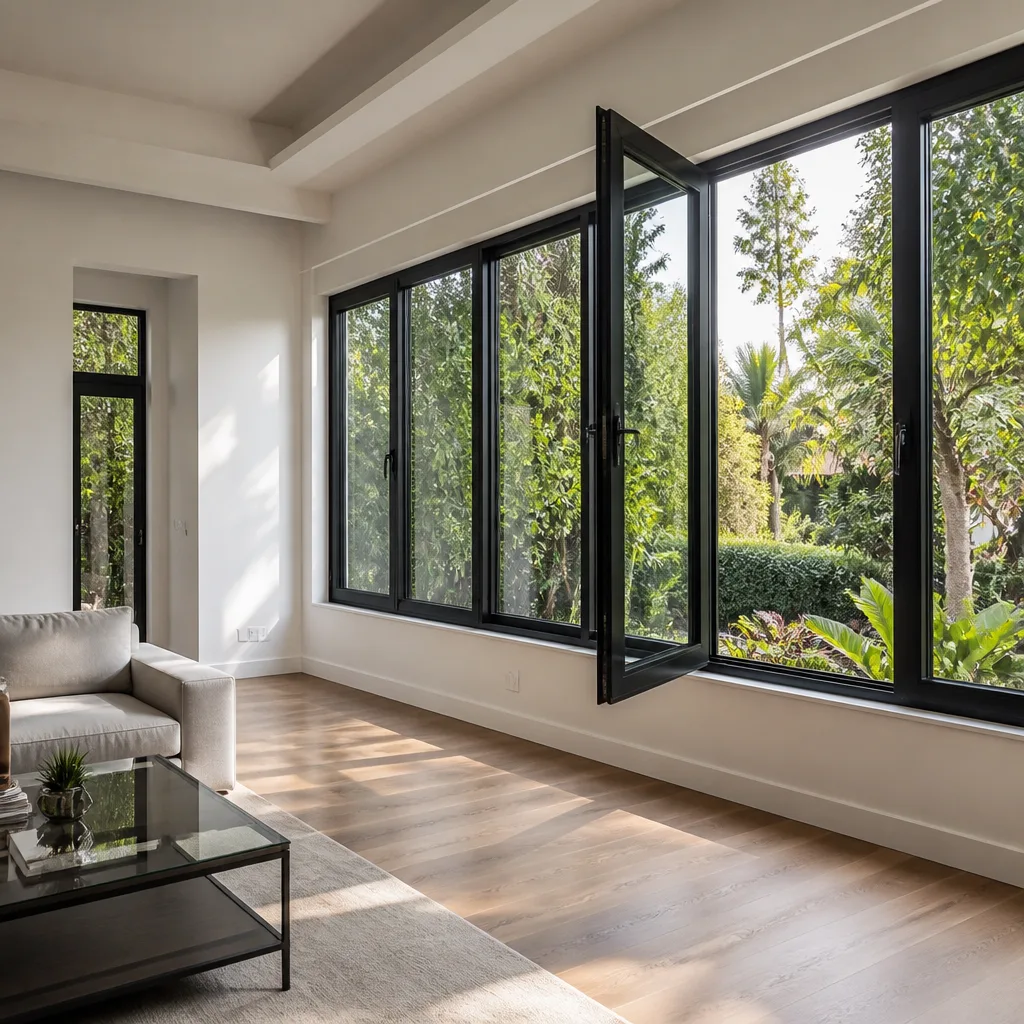
A photo record is not marketing material. It’s evidence. And its absence is a red flag that should concern any Tamiami homeowner, because without it, you cannot prove installation compliance to your insurance carrier, your HOA, or a future buyer.
The record should contain three mandatory sets:
- Pre-install rough opening: Framing condition, moisture content reading if available, dimensions, and any existing damage. This establishes that the substrate was adequate before the window went in.
- Mid-install fastener pattern: Fasteners in place before trim or finish covers them, showing spacing, embedment depth where visible, and corrosion rating markings on fastener heads. This is the only proof of NOA compliance that survives the installation.
- Post-install sealant bead: Continuous, tooled sealant at interior and exterior perimeters, with visible joint dimensions. Date-stamped.
At Sightline, this record is delivered with the final invoice under Haven Clause 4. We don’t offer it as an upgrade. It’s standard because the measurement and the quote are the same document - and the installation record is part of that document chain.
What to do if you don’t have this record: Request it from your original installer. If they’re unresponsive, schedule a post-install inspection with a licensed contractor who can open representative trim sections and document current conditions. This costs money, but it’s cheaper than discovering non-compliance after a storm damage claim is disputed.
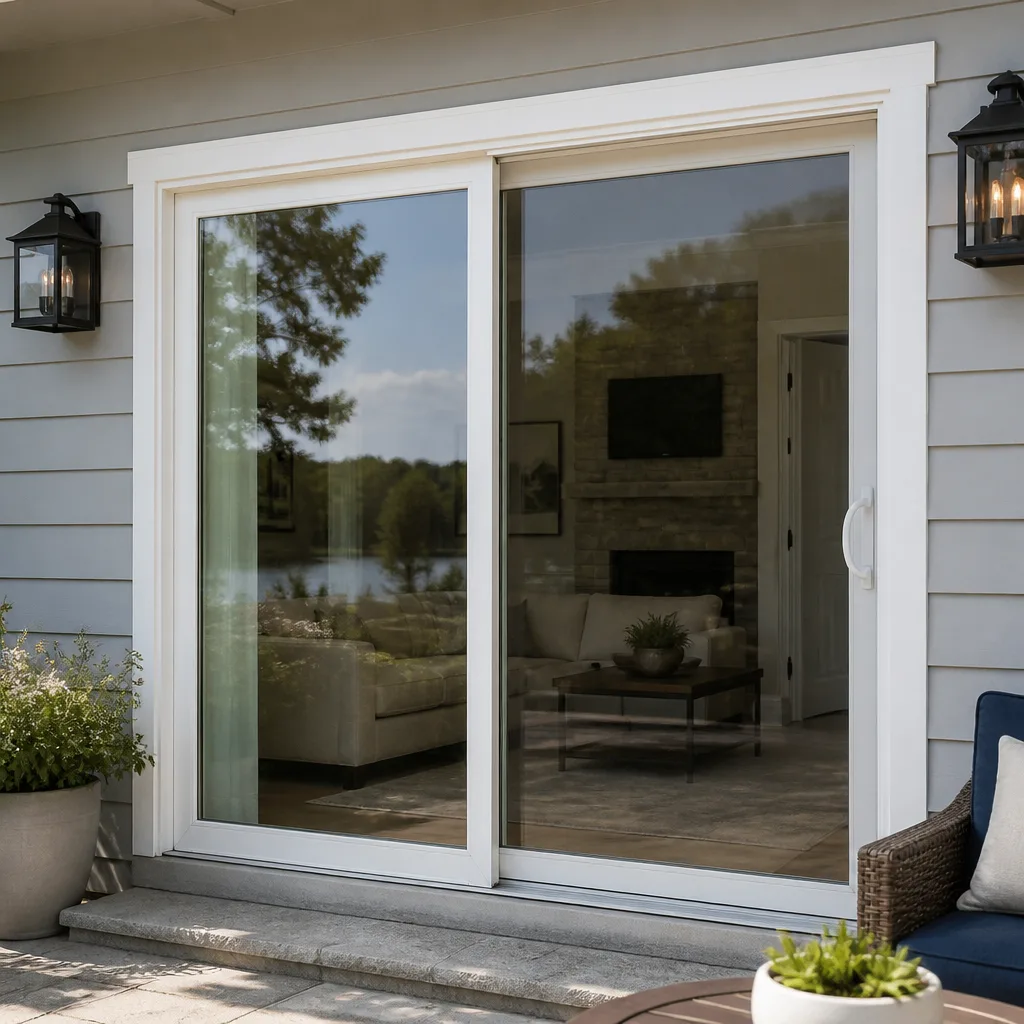
For Door Installation in Tamiami, the same record requirements apply - especially for sliding glass doors, where the sill pan and threshold drainage are even more critical than windows.
Hardware Lubrication for Salt-Air Exposure
Hardware lubrication intervals depend on distance from salt water and exposure to onshore flow. Tamiami’s position west of Biscayne Bay means salt aerosol concentration varies significantly by neighborhood and even by lot orientation.
| Location | Interval | Product |
|---|---|---|
| Within 1 mile of open water, east-facing exposure | Every 3 months | White lithium grease or silicone-based dry lubricant; avoid petroleum-based oils that attract grit |
| 1 to 3 miles from open water, any exposure | Every 6 months | Same as above |
| West of SW 137th Avenue, reduced salt exposure | Annually | Same as above |
What to lubricate: Lock mechanisms (keyway and bolt face), hinge barrels, roller axles on sliding windows, crank gears on casement operators, and balance shoe tracks on single- and double-hungs. What not to lubricate: The weatherstrip itself - lubricant degrades compression set and attracts dust that abrades the seal surface.
After lubrication, operate the hardware through five full cycles to distribute the product. Wipe excess from visible surfaces to prevent dirt accumulation. In our experience with CGI and ECO Window Systems hardware in Tamiami installations, operators that receive this maintenance at 6-month intervals show no functional degradation at year five. Those left to annual or irregular maintenance develop play in crank gears and roller flat-spotting by year three.
The salt-air factor is why we specify stainless steel or zinc-aluminum coated hardware for all Tamiami installations, regardless of distance from water. The small material cost difference pays for itself in hardware longevity.
Protecting Your Impact Rating Over Time
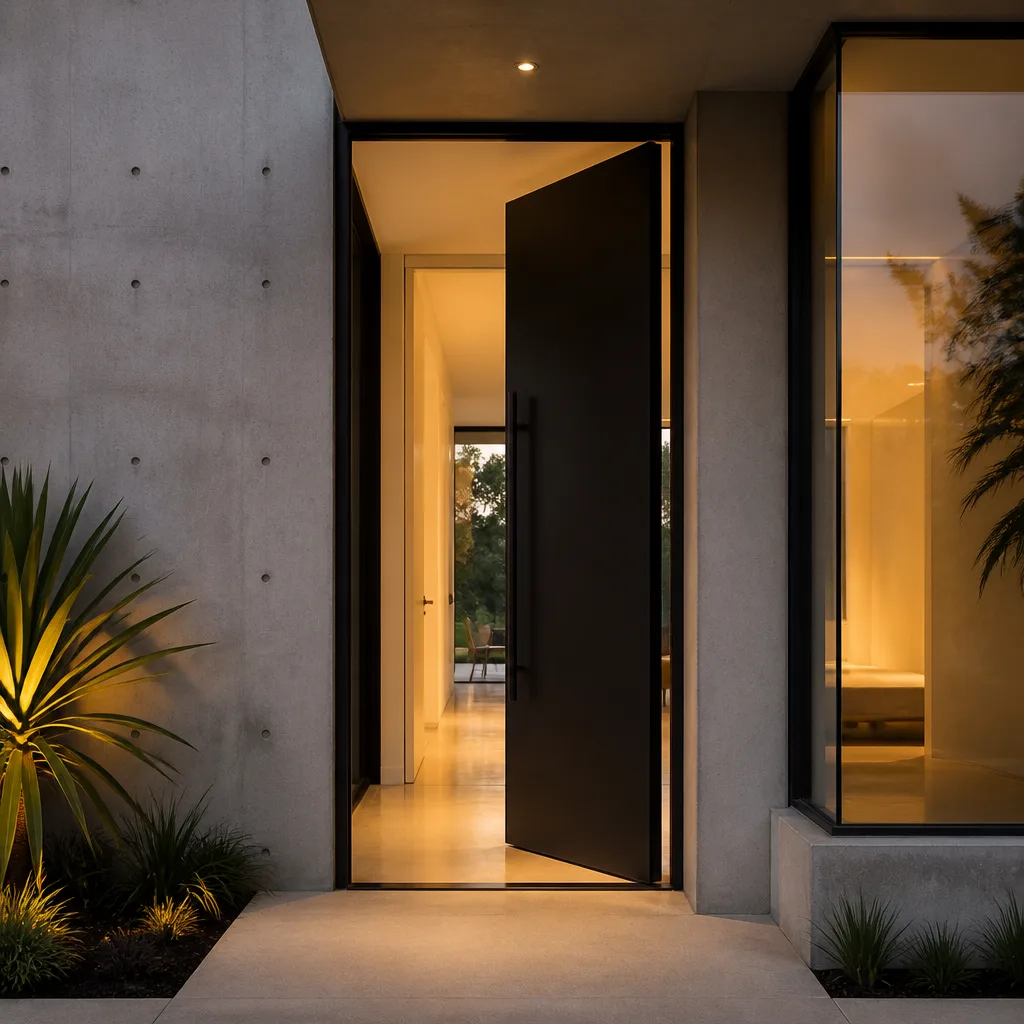
An impact rating is not permanent. It’s conditional on the assembly remaining as tested: the glass, the frame, the fasteners, the sealant, and the installation method together. Alter any element, and the rating may no longer apply.
Specific threats to impact rating in Tamiami:
- Fastener replacement with non-specified hardware: A homeowner or handyman replaces a corroded fastener with a generic screw from a hardware store. The new fastener has different shear strength, different corrosion resistance, or different diameter. The NOA no longer applies.
- Sealant repair with incompatible product: Original specification calls for polyurethane sealant with specific Shore A hardness. Repair uses silicone with different adhesion and movement capability. The frame can move differentially from the glass under pressure, stressing the laminate.
- Addition of aftermarket film or storm panels: Some homeowners add interior security film or exterior storm panels, believing this improves protection. If the film alters glass deflection characteristics, or if the storm panel attachment penetrates the frame in non-specified locations, the original impact rating is compromised and the aftermarket product’s rating (if any) becomes the governing standard.
- Structural modifications near the opening: Adding a pergola, modifying roof overhang, or enclosing a porch changes wind pressure distribution at the window. The original DP calculation assumed specific exposure and pressure coefficients.
The 365-Day Done Right Promise under the Haven Standard covers correction of installation defects that threaten impact rating. Beyond that period, annual professional inspection becomes the homeowner’s responsibility. We recommend scheduling this inspection before each hurricane season, with documentation updated in the property file.
Products from CWS and ES Windows carry specific maintenance requirements in their NOA documentation that preserve warranty and rating. These are not generic suggestions - they’re conditions of the product approval. Follow them precisely.
Common Mistakes to Avoid
- Assuming the sticker means compliance: The impact-rated sticker on the glass certifies the product assembly, not the installation. A perfectly rated window installed with wrong fasteners is a non-compliant installation. Verify both.
- Using pressure washers on exterior frames: High-pressure water drives past weatherstrip and degrades sealant adhesion. It also forces water into weep holes faster than drainage can evacuate it. Use low-pressure hose and soft brush instead.
- Ignoring weep hole function: Weep holes are the pressure-equalization and drainage system for the sill pan. Blocking them with “clean” caulk or paint is the most common homeowner error we correct in Tamiami service calls.
- Applying film or tint to impact glass: Aftermarket film changes thermal stress distribution and can void both impact rating and manufacturer warranty. If solar control is needed, specify it at purchase for factory-integrated low-E or tinted laminate.
- Skipping documented photo comparison: Without baseline images, gradual degradation is invisible. The human eye normalizes change over 12 months. Photos don’t.
- Waiting for visible water intrusion: By the time interior drywall shows staining, the wall cavity has been wet through multiple cycles. Inspect proactively, not reactively.
- Hiring unlicensed handymen for hardware or sealant repair: Florida law requires a licensed contractor for window and door work that affects structural or weatherproofing performance. Unlicensed repair voids your installation warranty and may invalidate insurance coverage.
When to Call a Professional
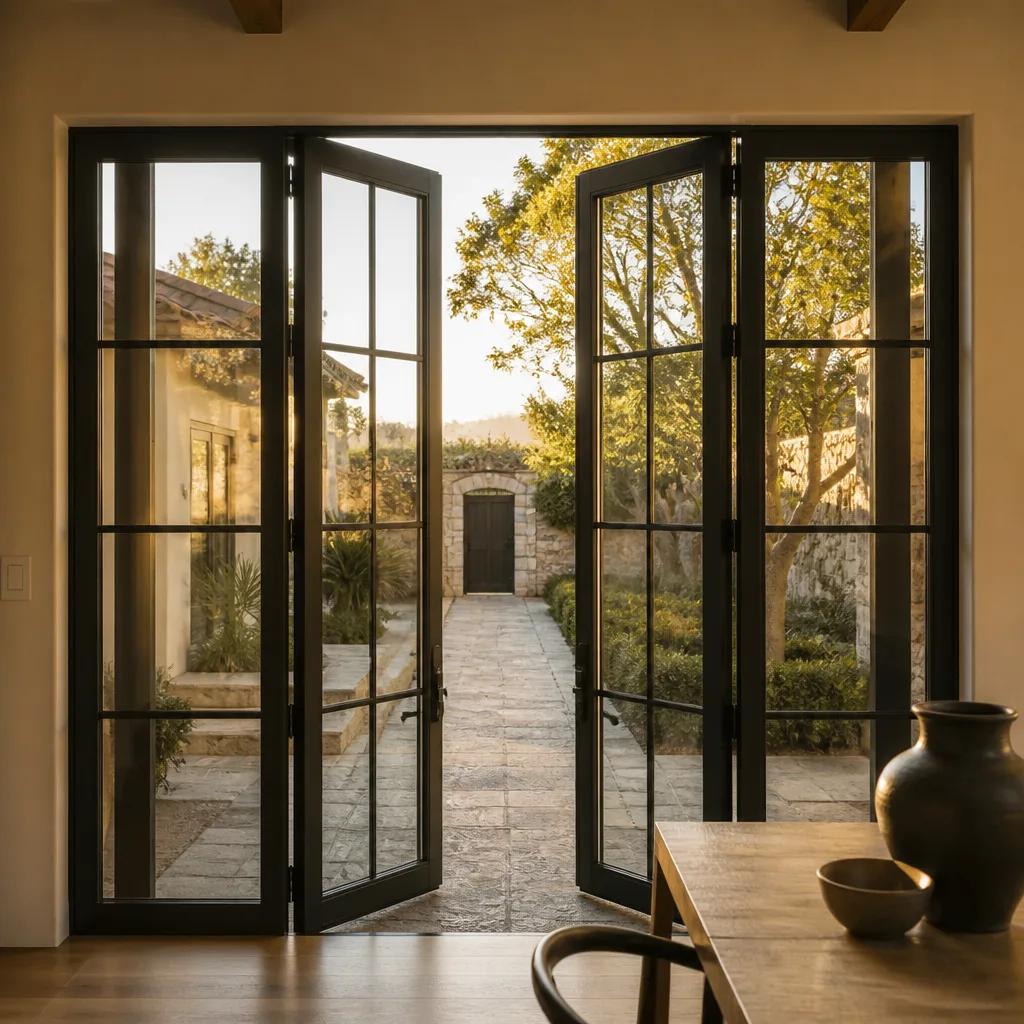
Call a licensed window and door contractor when: you cannot locate your NOA documentation or install photos; interior drywall shows staining or swelling below or beside any window; hardware operation degrades suddenly rather than gradually; exterior sealant shows through-cracks or adhesion loss exceeding 6 continuous inches; you discover fasteners that don’t match the NOA specification during trim removal; or your home is within 2 miles of Biscayne Bay and hasn’t had professional inspection in 18 months.
Sightline Windows & Doors Tamiami offers free estimates in Tamiami - call (786) 321-9118. Every estimate includes a measured survey you keep, a written scope with named pricing, and documentation of what we find. If you have a competitor’s estimate, we provide a free second opinion under Haven Clause 1: Have it in writing.
Frequently Asked Questions
Inspect weekly for the first month after installation, then quarterly for hardware and sealant, semi-annually for fasteners and flashing, and annually with documented photo comparison. Homes within 2 miles of salt water should add a professional inspection before each hurricane season.
It means the window assembly was tested and approved for specific wind pressures and impact resistance under Miami-Dade County’s strict protocol. Compliance requires installation exactly per the NOA document - fastener type, spacing, embedment, and sealant specification. The sticker on the glass is only half the equation.
Homeowners can perform visual inspection, weep hole clearing, hardware lubrication, and sealant condition checks. Any work that requires trim removal, fastener verification, or sealant replacement should be done by a licensed contractor to preserve warranty and impact rating. Call (786) 321-9118 for a free estimate if you’re unsure what’s needed.
Tamiami’s combination of 70%+ humidity for seven months, salt aerosol from Biscayne Bay, and intense UV exposure degrades sealant twice as fast as inland locations. Thermal cycling between 55°F winter nights and 95°F summer days creates more frame movement. Hardware corrosion begins within 18 months without proper specification and maintenance.
Request them immediately. If unavailable, schedule a post-install inspection with a licensed contractor who can open representative trim sections and document current conditions. This creates a baseline for future comparison and may reveal compliance issues while they’re still correctable. Sightline provides this documentation as standard on every job.
At Sightline, the written quote and the final invoice are the same document. Haven Clause 1 means the price is established during the measured survey and does not change unless you change the scope. No change orders, no surprises. Call (786) 321-9118 to schedule your free estimate - the price we write is the price you pay.
The Bottom Line
Window installation maintenance in Tamiami is structural, not cosmetic. The seven conditions that matter - fastener spacing, embedment depth, sill pan flashing, head flashing, frame-to-opening sealant, hardware corrosion resistance, and impact rating preservation - are all invisible from the curb and mostly invisible from inside your home without deliberate inspection. A checklist that doesn’t address these mechanics is decoration. Use the 12-month calendar, demand your documented photo record, and verify against your NOA specifications. The cost of proactive maintenance is minor against the cost of discovering non-compliance after a storm.
Written by Sonia Raman, Owner at Sightline Windows & Doors Tamiami, serving Tamiami since 2012.