
Last updated September 24, 2026
Free in-home measure and quote - PGT, CGI and CWS impact lines compared on your actual openings, style by style
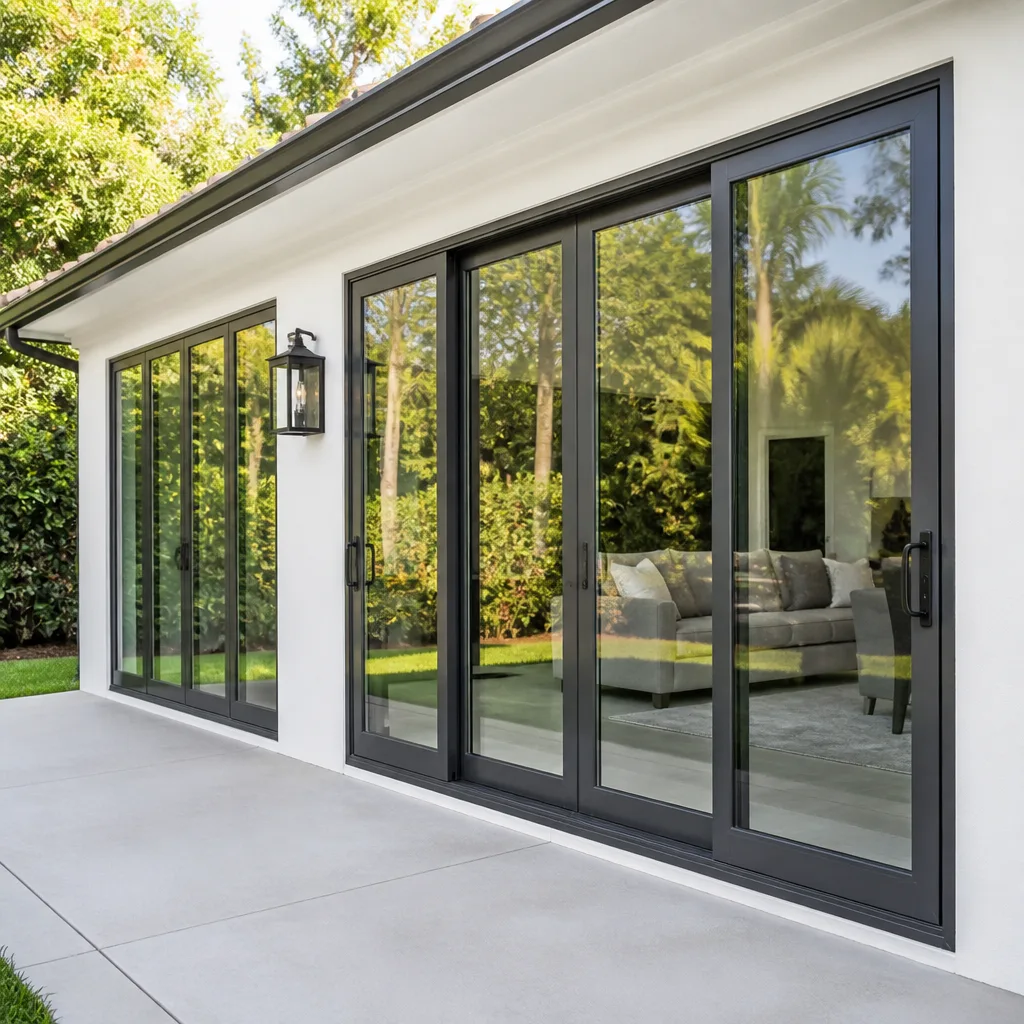
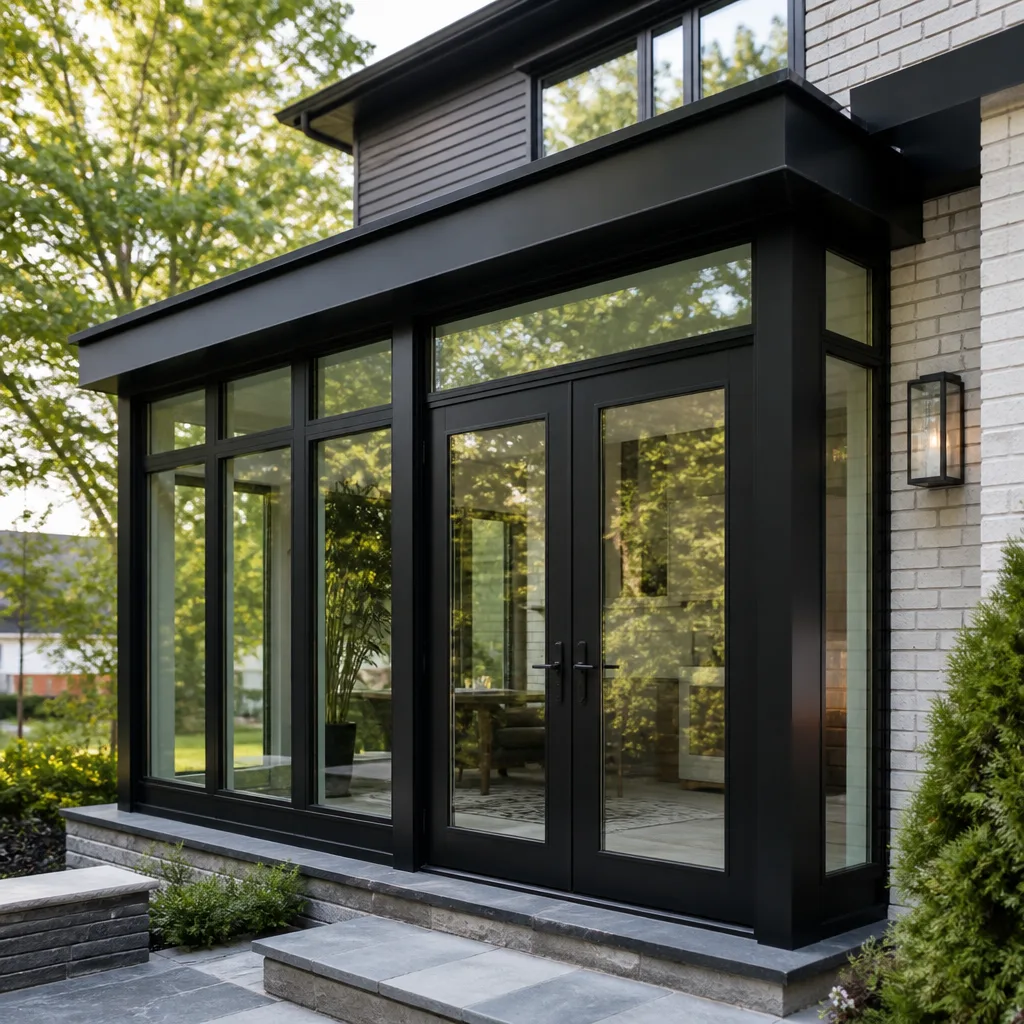
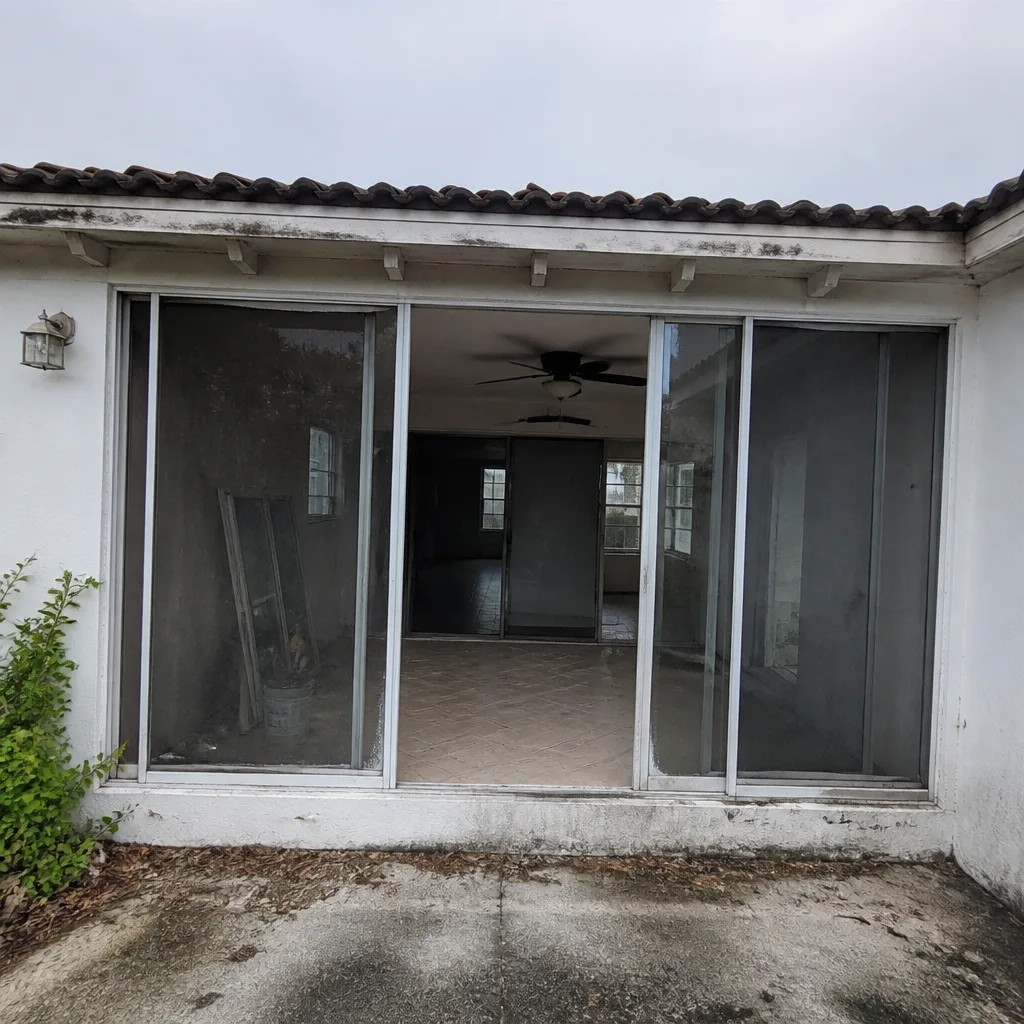 Before
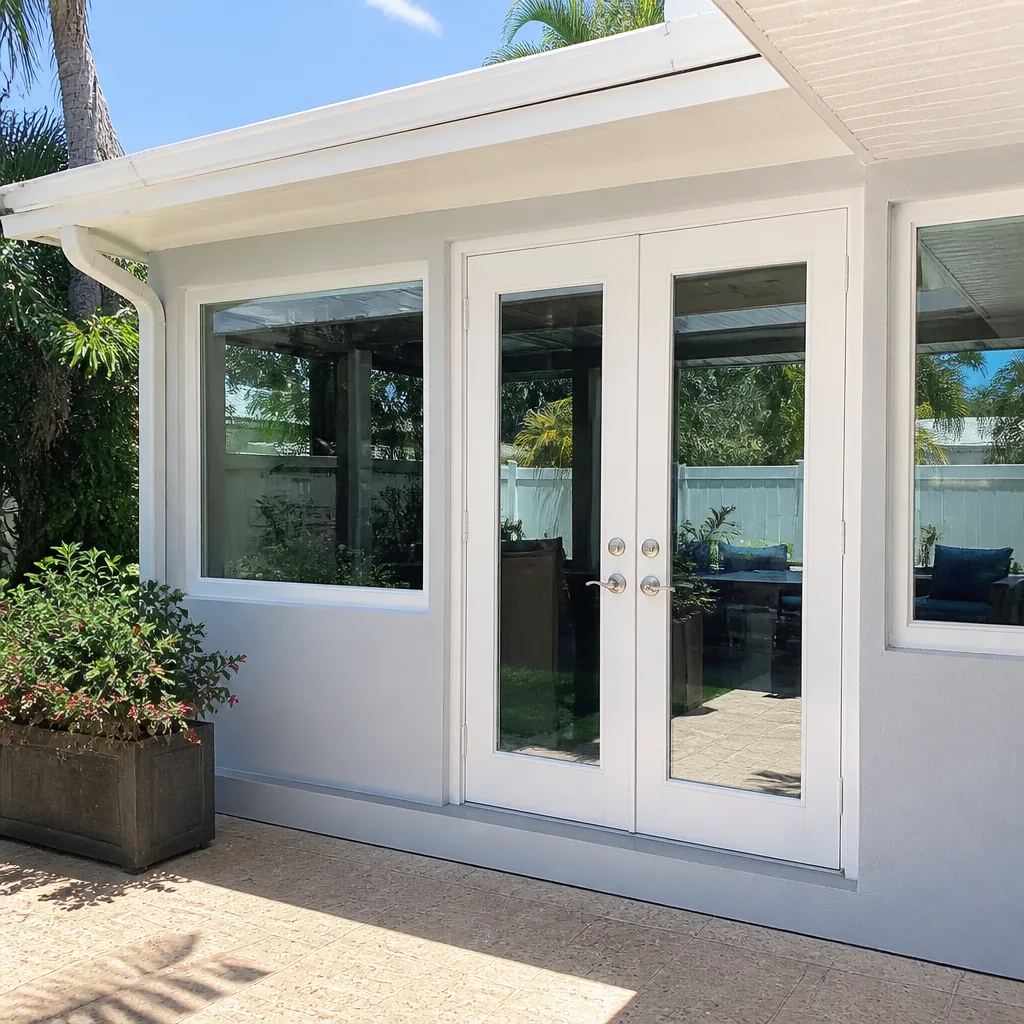 After
After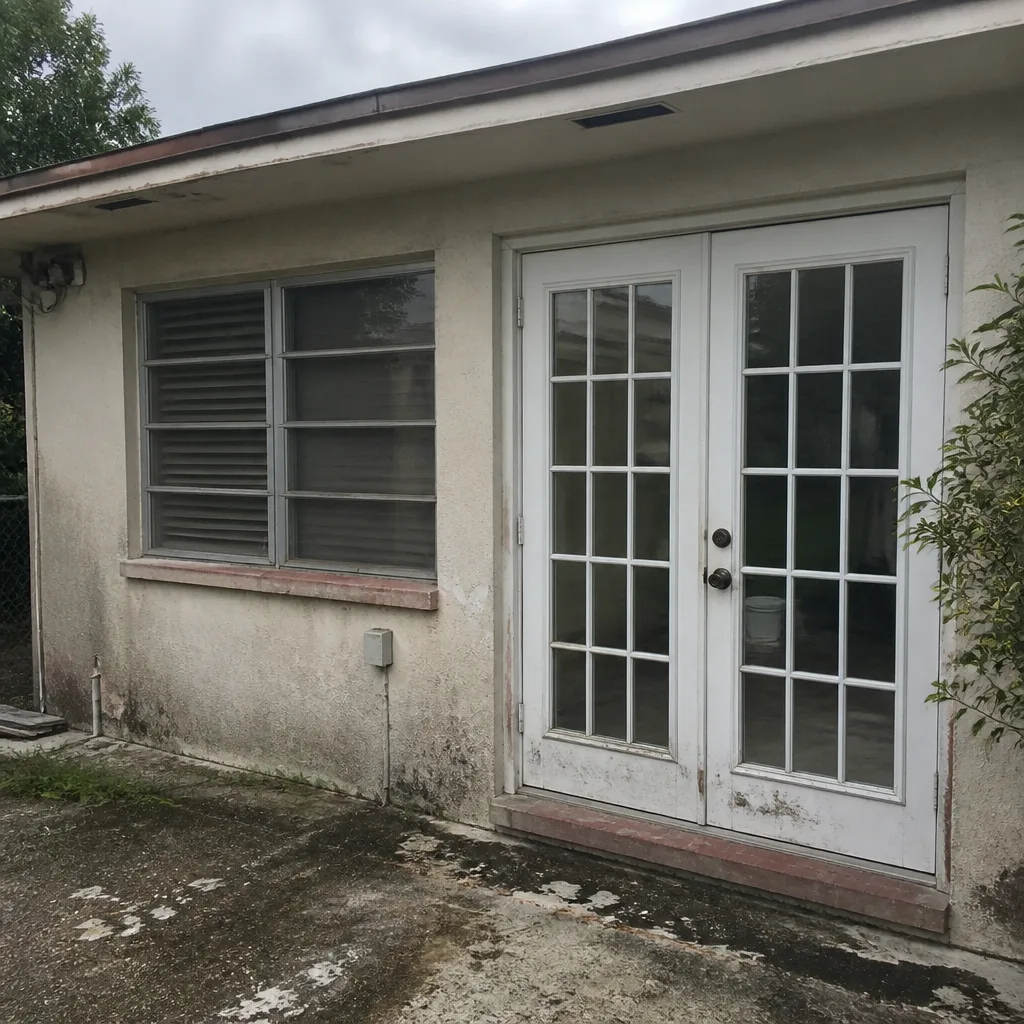 Before
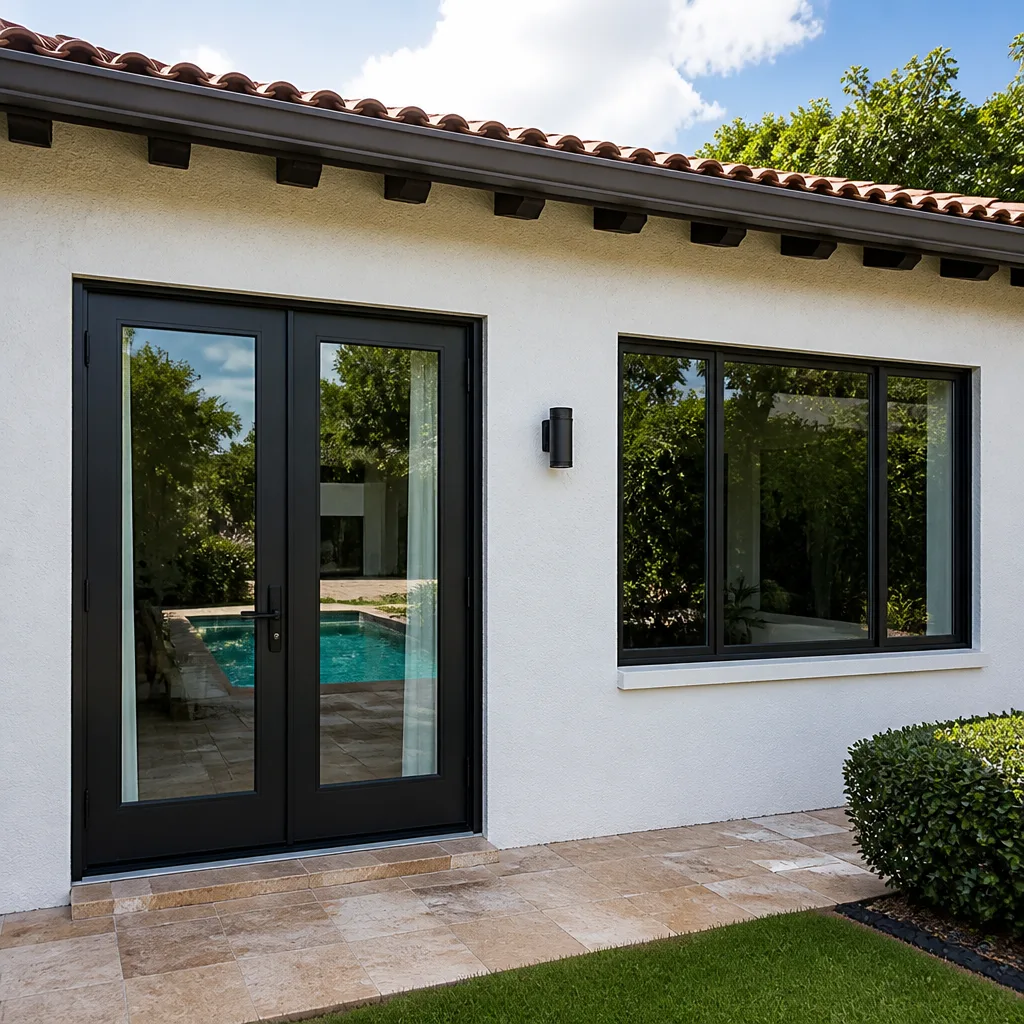 After
After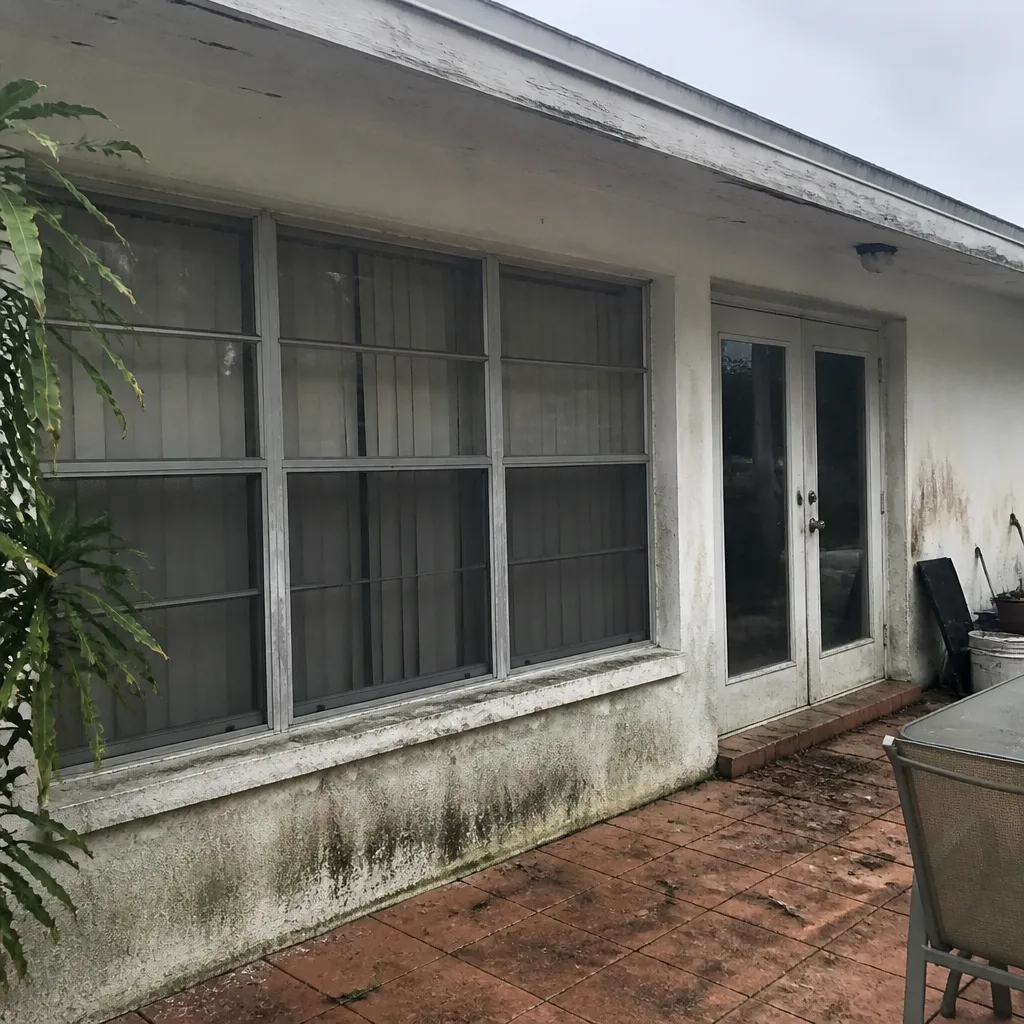 Before
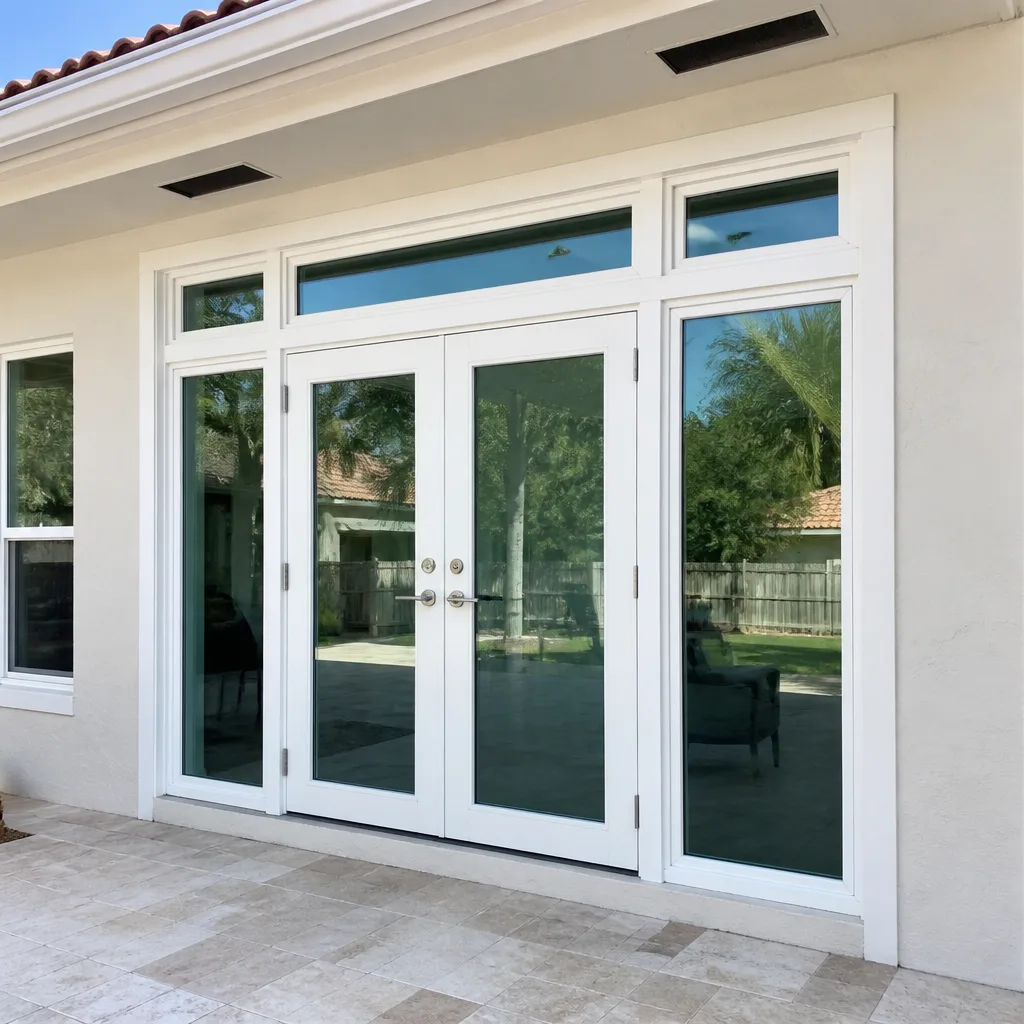 After
AfterWindows & Doors Permits, Codes & Inspections in FL: What You Need to Know
A window can carry the Florida Statewide Product Approval label and still be rejected at a Miami-Dade inspection. The High-Velocity Hurricane Zone, or HVHZ, operates under a separate product approval track that many homeowners - and some contractors - discover only after the permit is pulled and the inspector arrives. In Tamiami, located squarely within Miami-Dade County’s HVHZ boundary, this distinction governs every window and door replacement you might plan. This guide walks through the two-track approval system, the actual permit sequence, what inspectors verify at each stage, and the real cost exposure of getting it wrong. For more guides & resources on protecting your home, visit our blog.
Quick Answer
In Florida, window and door replacements require a building permit in every county, but Tamiami homeowners must use products with a Miami-Dade Notice of Acceptance (NOA), not just Florida Statewide Product Approval. Our Complete Guide to Windows & Doors in Tamiami covers these requirements in depth. The permit process takes 10 to 20 business days from application to final sign-off, involves two inspections (rough-in and final), and costs approximately $340 to $580 in Miami-Dade fees for a typical residential window project in 2025. Unpermitted work can trigger a full re-permit, re-inspection, and removal requirement at resale.
Table of Contents

- Florida’s Two-Track Product Approval System
- What the HVHZ Means for Tamiami Homes
- The Miami-Dade Permit Application Sequence
- Rough-In vs. Final Inspection: What Inspectors Actually Check
- Liability Exposure for Unpermitted Window Work
- 2025 Miami-Dade Permit Fee Structure
- Selecting Compliant Products: What the Labels Tell You
- Common Mistakes to Avoid
- When to Call a Professional
- Frequently Asked Questions
 Before
 After
AfterFlorida’s Two-Track Product Approval System
Florida maintains two parallel systems for approving windows and doors for installation. Understanding the difference between them is the first step in avoiding a failed inspection.
Florida Statewide Product Approval is administered by the Florida Building Commission. A product with this approval carries a “FL” number - for example, FL18023 - and is legal to install in most of the state. This approval verifies that the product meets the Florida Building Code for wind load, water infiltration, and structural performance. For a standard replacement in Orlando, Tampa, or Jacksonville, this label is sufficient.
Miami-Dade Notice of Acceptance (NOA) is administered by the Miami-Dade County Product Control Section. A product with this approval carries an NOA number - for example, NOA 18-0605.04 - and is required in Miami-Dade County and Broward County, which together form the HVHZ. The NOA testing protocol is stricter: larger missile impacts, higher cyclic wind pressures, and more demanding water infiltration thresholds. A product can pass statewide testing and still fail NOA testing.
The critical point: these systems do not automatically recognize each other. A window with only a Florida Product Approval (FL number) cannot be installed in Tamiami, even if it is structurally adequate for the wind speeds. The inspector will check the NOA number against the approved product database before signing off.
We’ve seen this confusion create project delays. A homeowner in the Tamiami Lakes area received a quote from an out-of-county contractor who specified a window line with only statewide approval. The product was legal in the contractor’s home territory but would have failed inspection here. The homeowner brought the quote to us for a free second opinion, which is standard under our Haven Standard - Haven Clause 5, No Surprises.
What the HVHZ Means for Tamiami Homes

The High-Velocity Hurricane Zone covers all of Miami-Dade and Broward counties. It was established after Hurricane Andrew in 1992, when post-storm analysis showed that existing building codes and product testing had underestimated the combined effects of wind-borne debris and rapid pressure cycling. The HVHZ boundary is not a suggestion; it is a jurisdictional line that determines which product approval system applies.
For Tamiami homeowners, this means three concrete requirements:
- Product-level compliance: Every window and door must have a current Miami-Dade NOA. The NOA must be valid on the date of installation, not just the date of purchase. NOAs expire and are renewed, revised, or withdrawn.
- Installation-level compliance: The installation must follow the exact fastening pattern, sealant specification, and flashing detail described in the NOA. The NOA is not a general approval; it is a specific installation protocol. Deviations require engineering approval.
- Permit-level compliance: The building permit application must list the NOA number for each product. The plans examiner verifies this before issuing the permit, and the inspector verifies it again in the field.
The HVHZ also affects product availability. Not every manufacturer pursues NOA certification for every product line. Of the eight manufacturer lines we specify at Sightline - PGT, CGI, CWS, ES Windows, ECO Window Systems, Mr-Glass, Therma-Tru, and ViewLux - we verify current NOA status before recommending any product for a Tamiami opening. Some lines carry NOAs for their impact-rated products but not for their standard lines. Some carry NOAs for specific sizes and configurations but not for others. The NOA is product-specific, not brand-generic.
Climate factors in Tamiami intensify these requirements. The area experiences sustained exposure to salt air, which accelerates corrosion in non-compliant fasteners, and the flat terrain around the Tamiami Trail corridor produces less windbreak than inland Miami-Dade neighborhoods. These conditions are why the HVHZ testing protocol includes salt-fog exposure cycles and why inspectors in this district are particularly attentive to fastener material and sealant continuity.
The Miami-Dade Permit Application Sequence
The permit process for a residential window or door replacement in Miami-Dade follows a defined sequence. Knowing the steps helps you track progress and identify when a contractor is delaying or skipping requirements.
Step 1: Determine Who Applies
In Miami-Dade, the property owner or a licensed contractor can apply for the permit. Most homeowners delegate this to their installer. At Sightline, we handle permit applications as part of our standard scope - the written quote includes permit acquisition, and the permit fee is itemized separately so you see exactly what the county charges versus what we handle administratively.
If you apply yourself, you need a Miami-Dade County contractor account or homeowner exemption. The exemption requires proof of homestead status and carries limitations: you cannot hire unlicensed workers, and you assume full liability for code compliance.
Step 2: Prepare Documentation
The permit application requires:
- A site plan showing the building footprint and the location of each window or door being replaced
- Elevation drawings or photographs with dimensions for each opening
- Product cut sheets showing the NOA number, product description, and performance ratings
- The NOA document itself, or a verified link to the current version in the Miami-Dade product database
- Energy compliance documentation (Florida Energy Code compliance, typically via prescriptive path or REScheck software output)
- Homeowner affidavit or contractor license verification
Step 3: Submit and Pay Fees
Submission is online through the Miami-Dade Permitting and Inspection Center portal. The plans examiner reviews for completeness within 5 to 10 business days. If the examiner requests corrections - common issues include expired NOAs, mismatched product descriptions, or missing energy compliance - the application returns for revision and resubmission.
Step 4: Permit Issuance
Once approved, the permit is issued electronically. Work cannot begin before permit issuance. Beginning work without a permit is a code violation that triggers the liability exposure described in the section below.
Step 5: Schedule Inspections
The permit lists required inspections. For window and door replacement, this is typically rough-in and final. Inspections must be scheduled through the portal, with 24-hour advance notice. The inspector has a 4-hour arrival window.
Step 6: Final Sign-Off
After the final inspection passes, the permit status changes to “Finalized.” This is the document you need for insurance, warranty, and resale purposes. We provide a copy to every Tamiami customer as part of our documented photo record - Haven Clause 4, Evidence on Every Job.
Total timeline, from application to final sign-off, assuming no corrections: 10 to 20 business days for a straightforward residential replacement. Complex projects, historic district properties, or homeowner-applied permits can extend this.
Rough-In vs. Final Inspection: What Inspectors Actually Check

Miami-Dade inspectors verify compliance at two stages. Understanding what each stage covers helps you prepare and helps you evaluate whether a contractor’s work is inspection-ready.
Rough-In Inspection
The rough-in occurs after old windows or doors are removed and before new units are fully installed and sealed. The inspector verifies:
- Opening condition: The structural framing is intact, with no rot, termite damage, or compromised studs. In Tamiami, we frequently find sill plate deterioration from prior leaks that must be repaired before installation proceeds.
- Fastener prep: The fastening pattern is marked or pre-drilled according to the NOA. The inspector checks fastener type, length, and spacing against the NOA detail.
- Flashing installation: Pan flashing, sill flashing, and head flashing are in place per the NOA sequence. The inspector checks material type, overlap dimensions, and integration with the weather-resistive barrier.
- Product verification: The actual product on site matches the NOA submission - same manufacturer, same series, same configuration. Labels must be legible.
If the rough-in fails, corrections must be made and the inspection rescheduled. There is no partial credit. A common failure in Tamiami is inadequate head flashing overlap, particularly on retrofits where the existing stucco edge complicates integration.
Final Inspection
The final occurs after installation is complete, including interior and exterior trim, sealant, and hardware. The inspector verifies:
- Operational function: Windows and doors open, close, and lock as designed. Multi-point hardware must engage fully.
- Sealant continuity: Interior and exterior sealant beads are continuous, properly tooled, and of the material specified in the NOA. Silicone and polyurethane are not interchangeable in most NOAs.
- Fastener completion: All fasteners are installed, seated, and corrosion-resistant. The inspector spot-checks with a torque driver on some installations.
- Label permanence: Product labels remain legible and are not painted over or removed.
- Energy compliance verification: The installed U-factor and SHGC match the permit application. This is verified via product label, not field testing.
The final inspection is the gate to permit closure. Without it, the project is legally incomplete, and the liability exposure described below remains active.
Liability Exposure for Unpermitted Window Work
Unpermitted window and door work in Miami-Dade creates a cascade of exposure that many homeowners underestimate. The risk is not merely a fine; it is a structural defect in your property’s legal status.
At discovery: If code enforcement identifies unpermitted work - typically via complaint, satellite imagery review, or permit history gap - the homeowner receives a Notice of Violation. The notice requires permitting, inspection, and correction within a defined period. The correction period is typically 30 to 60 days but can be shorter for safety issues.
Re-permit process: The homeowner must apply for a permit retroactively. This requires all the documentation of a standard permit, plus additional requirements: photographs of the completed work, a contractor affidavit attesting to installation method, and often an engineer’s letter verifying structural adequacy. The engineer’s letter alone can cost $800 to $1,500.
Re-inspection exposure: The inspector must verify what they cannot see. If the installation details are concealed by trim and sealant, the inspector may require destructive testing - removal of interior trim, partial disassembly, or probe openings. The cost of repair and refinishing falls to the homeowner.
Removal-and-replacement requirement: If the product lacks NOA approval, or if the installation deviates materially from any NOA, the inspector can require full removal and replacement with compliant products. We have encountered this in Tamiami, particularly with impact windows installed by out-of-state storm-chasing contractors after Hurricane Irma. The windows functioned adequately but carried only Florida Product Approval, not Miami-Dade NOA. The homeowner faced full replacement after three years of service.
Resale impact: Miami-Dade property records are searchable by title companies and buyers’ agents. An open or expired permit, or a permit gap with no matching record, triggers a title defect. Lenders may require permit clearance before closing. Cash buyers may negotiate price reductions based on the uncertainty. The cost of delayed or lost sales exceeds the original permit fee many times over.
The Haven Standard at Sightline includes permit acquisition in every quote precisely to eliminate this exposure. The written scope specifies: permit application, fee payment, inspection scheduling, and final sign-off. The customer receives the finalized permit document as part of the project closeout package.
2025 Miami-Dade Permit Fee Structure

Miami-Dade County publishes its fee schedule annually. For residential window and door replacement, the fee structure breaks down as follows. These figures are the county’s actual charges, not contractor markups, and they help you verify whether a quote is transparent.
| Fee Component | Typical Range (2025) |
|---|---|
| Building permit base fee | $85 – $125 |
| Plan review fee (permit valuation tier) | $65 – $110 |
| Impact fee (residential alteration) | $45 – $75 |
| Energy compliance review | $35 – $50 |
| Inspection fee (rough-in) | $45 – $65 |
| Inspection fee (final) | $45 – $65 |
| Permit technology surcharge | $12 – $18 |
| Total typical residential window project | $340 – $580 |
Several factors push fees toward the higher end:
- Project valuation above $5,000, which triggers higher tier fees
- Additional product lines (mixing window and door replacements on one permit)
- Historic district or homeowners’ association review requirements
- Expedited plan review, available for an additional 50% of plan review fee
At Sightline, we itemize the permit fee separately in every written quote. You see the county’s charge and our administrative handling as distinct line items. This is Haven Clause 1: the measurement and the quote are the same document, with nothing concealed.
For context, a contractor who quotes “$1,200 for permits” on a standard three-window replacement is either including substantial markup or bundling other costs opaquely. Ask for the permit number after issuance and verify the fee against the county’s published schedule.
Selecting Compliant Products: What the Labels Tell You
Product labels contain the information inspectors verify. Knowing how to read them helps you confirm compliance before purchase and before installation.
The NOA label on a window or door includes:
- NOA number (format: NOA YY-XXXX.RR, where YY is year, XXXX is sequence, RR is revision)
- Product manufacturer and series name
- Approved sizes and configurations
- Maximum design pressure rating (DP rating) in pounds per square foot
- Missile impact rating: “Large Missile” for openings within 30 feet of grade, “Small Missile” for higher openings
- Fastener specification: type, size, spacing, and embedment depth
- Sealant specification: manufacturer and product name
The inspector checks the installed product against this label. If your window is a 60″ x 48″ horizontal roller but the NOA only covers up to 48″ x 36″, the installation fails. If your contractor used #8 x 2″ screws but the NOA specifies #10 x 2-1/2″, the installation fails. These are not judgment calls; they are binary verifications.
Among the lines we work with, PGT and CGI maintain extensive NOA portfolios for their impact-rated aluminum and vinyl products, with particular strength in large-format openings common in Tamiami’s 1980s-era homes. Therma-Tru carries NOAs for fiberglass and steel entry systems, including multi-point hardware configurations. ViewLux offers NOA-certified impact vinyl in select configurations. We specify by what the opening requires, verified against current NOA status in the Miami-Dade database, not by what is in inventory.
The NOA database is public and searchable at the Miami-Dade Product Control website. We recommend every homeowner verify their product’s NOA status independently, checking both that the NOA exists and that it is current (not expired or withdrawn). This takes approximately five minutes and eliminates a common source of inspection failure.
Common Mistakes to Avoid

- Assuming statewide approval equals HVHZ approval. A product with a Florida Product Approval (FL number) is not legal in Tamiami without a separate Miami-Dade NOA. Verify both labels before purchase.
- Accepting a verbal permit commitment. A contractor who says “I’ll take care of permits” without showing you the application confirmation or issued permit number may not have applied. Request the permit number and verify it in the Miami-Dade portal.
- Installing before permit issuance. Beginning work on an unissued permit is a code violation separate from the unpermitted work itself. The county can issue a stop-work order and double fees.
- Using expired NOA products. NOAs expire. A product legal when purchased may be illegal when installed if the NOA lapsed. Verify current status at installation, not just at quote.
- Ignoring fastener and sealant specifics. The NOA is an installation protocol, not just a product approval. Substituting “equivalent” fasteners or sealants without engineering approval fails inspection.
- Failing to finalize the permit. An issued permit that never receives final inspection remains open indefinitely. Open permits cloud title and trigger re-inspection requirements at resale.
- Hiring unlicensed contractors for HVHZ work. Miami-Dade requires a licensed contractor for window and door replacement in the HVHZ. Unlicensed work voids manufacturer warranties and eliminates permit eligibility.
When to Call a Professional
Call a licensed contractor when your project involves impact-rated products, NOA verification, or any work in Miami-Dade’s HVHZ. The compliance path is too specific for self-directed navigation, and the liability exposure for errors is too severe.
Specific scenarios that warrant professional engagement: your home was built before 1994 and may have pre-HVHZ openings requiring structural modification; you are converting standard windows to impact-rated; your project includes sliding glass door replacement with threshold modification; or you have received a Notice of Violation and need permit remediation.
Window installation in Tamiami and door installation in Tamiami under HVHZ requirements is what we handle daily at Sightline. Every quote includes permit acquisition, NOA verification, and inspection scheduling as standard scope. We also offer a free second opinion on any written estimate - bring us a competitor’s quote and we will review the product specifications, NOA status, and permit handling at no charge. Call (786) 321-9118 to schedule your free estimate.
Frequently Asked Questions
Yes. Every window and door replacement in Miami-Dade County requires a building permit, and Tamiami is within the High-Velocity Hurricane Zone where Miami-Dade’s stricter NOA product approval applies. The permit ensures the product, installation method, and final work meet HVHZ standards. Call (786) 321-9118 for an exact quote - estimates are free.
From application to final sign-off, a typical residential window replacement takes 10 to 20 business days, assuming no plan corrections or re-inspections. Plan review alone accounts for 5 to 10 business days. Scheduling inspections adds 2 to 5 business days depending on inspector availability. Complex projects or homeowner-applied permits take longer.
Florida Product Approval (FL number) is a statewide certification valid in most Florida counties. Miami-Dade Notice of Acceptance (NOA) is a separate, stricter certification required in Miami-Dade and Broward counties. A product can have statewide approval without NOA approval, but it cannot be installed in Tamiami without the NOA. The NOA includes specific installation protocols that the statewide approval does not.
A typical residential window replacement permit costs $340 to $580 in Miami-Dade County fees for 2025, including base permit, plan review, impact fee, energy compliance review, rough-in and final inspections, and technology surcharge. This is the county’s fee, not a contractor charge. Contractors who quote significantly more should itemize what the additional amount covers. Call (786) 321-9118 for an exact quote on your project - estimates are free.
The inspector issues a correction notice specifying the deficiency. Common failures include inadequate flashing, incorrect fasteners, non-compliant sealant, or product-label issues. The contractor must correct the deficiency and schedule a re-inspection, typically with 24-hour notice. Re-inspection carries an additional fee. Multiple failures can extend the project timeline significantly and may require engineering review.
You can list it, but you may not close cleanly. Title companies flag open or expired permits. Lenders may require permit clearance. Buyers may negotiate reductions or walk away. In the worst case, the buyer’s inspector identifies unpermitted work, and the county requires re-permit, re-inspection, or removal and replacement before closing. The cost of remediation typically exceeds the original permit fee by ten to twenty times.
Yes. Permit acquisition, NOA verification, inspection scheduling, and final sign-off are standard scope in every Sightline quote. We itemize the county permit fee separately so you see exactly what the jurisdiction charges. You receive the finalized permit document as part of your project closeout package, along with the documented photo record. This is Haven Clause 4: Evidence on Every Job.
The Bottom Line
Florida’s two-track product approval system creates a compliance gap that traps unprepared homeowners. A window legal in Orlando is not automatically legal in Tamiami. The Miami-Dade HVHZ requires NOA-certified products, a specific permit sequence, two inspections with distinct verification criteria, and strict adherence to installation protocols. The cost of error is not a minor correction; it is re-permit, re-inspection, potential removal, and clouded title at resale. The 2025 permit fee of $340 to $580 is modest protection against exposure that can reach tens of thousands. Verify your contractor’s license, verify your product’s NOA status independently, and verify that permit finalization is included in writing before work begins.
Written by Sonia Raman, Owner at Sightline Windows & Doors Tamiami, serving Tamiami since 2012.