
Last updated September 24, 2026
Free in-home measure and quote - PGT, CGI and CWS impact lines compared on your actual openings, style by style
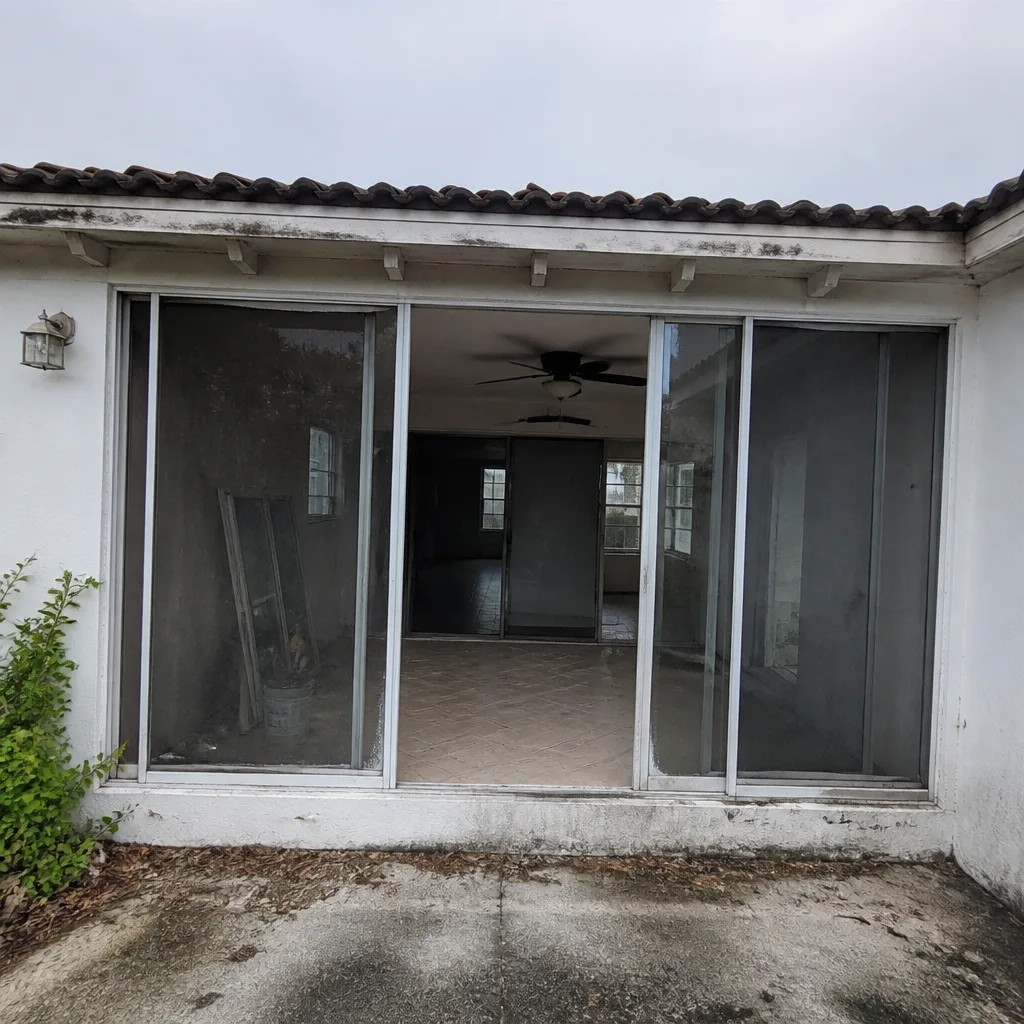 Before
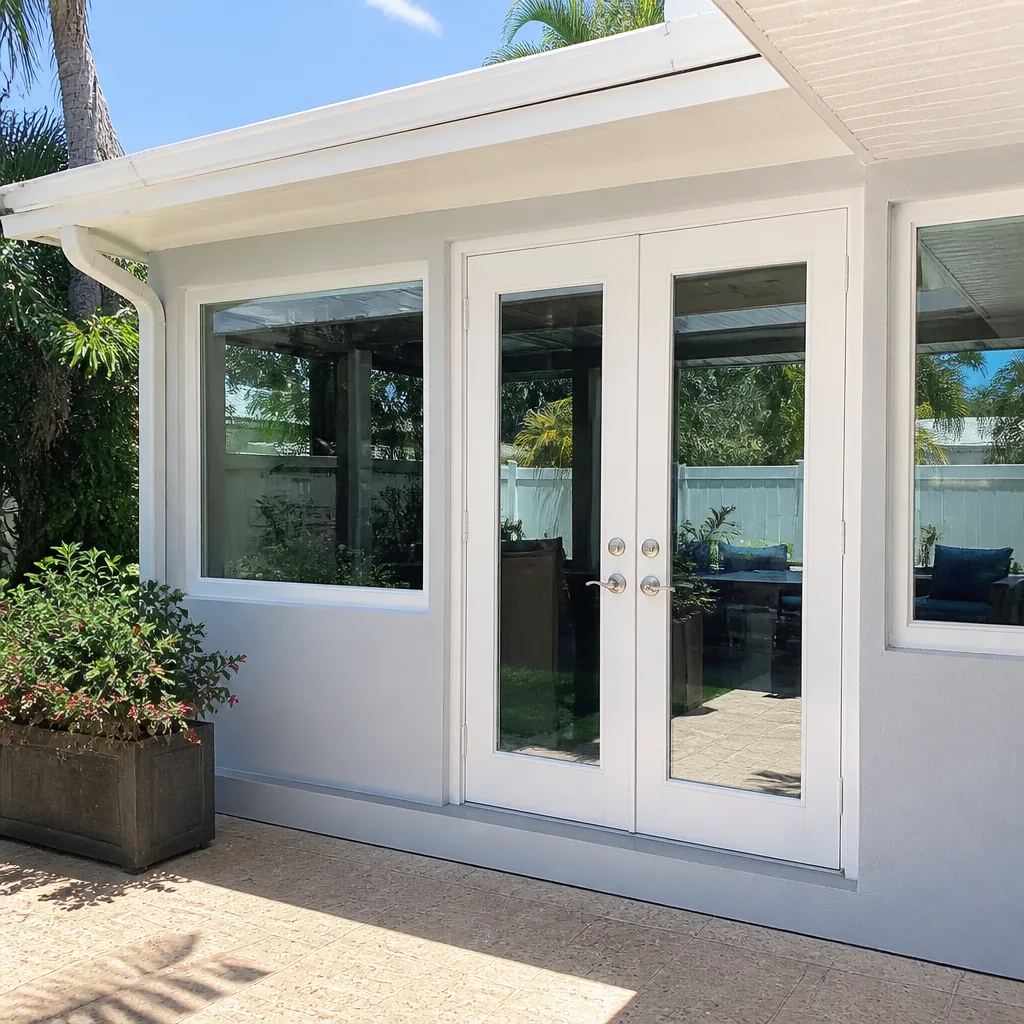 After
After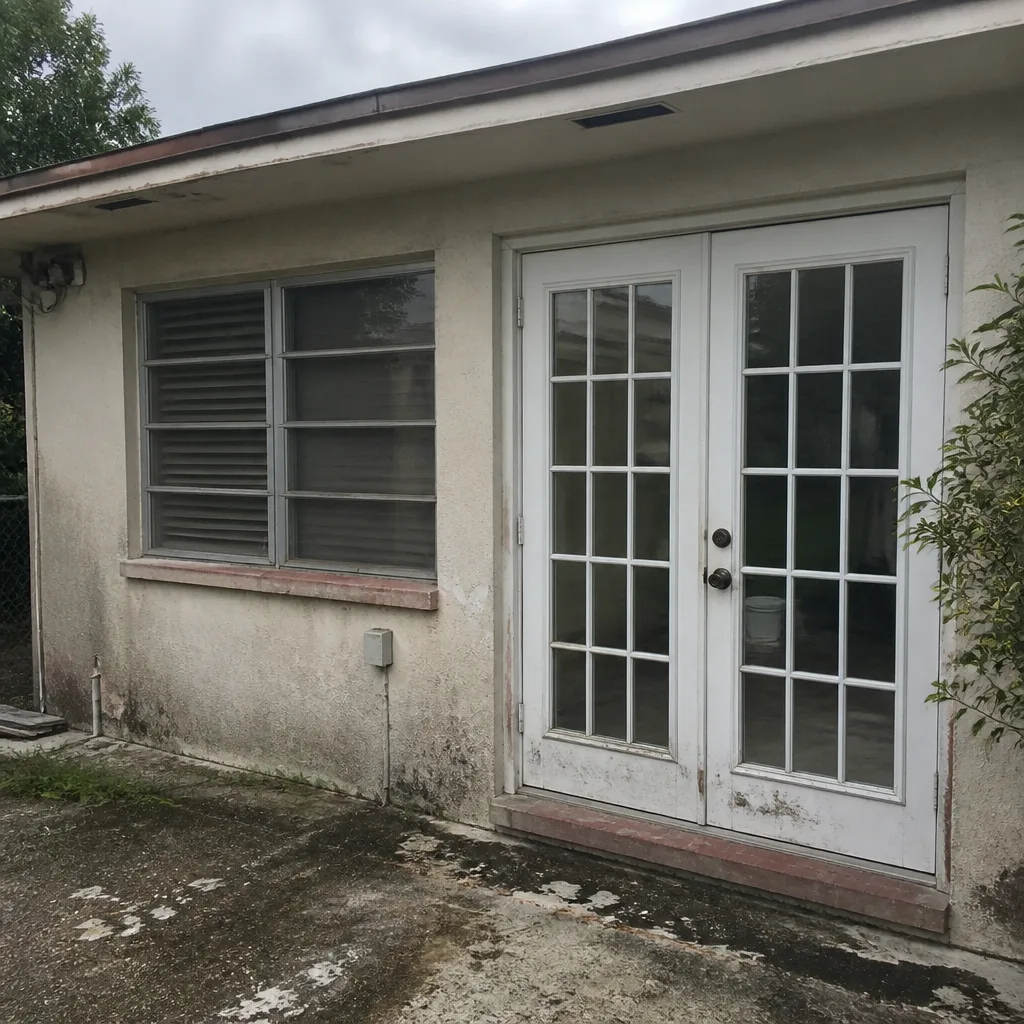 Before
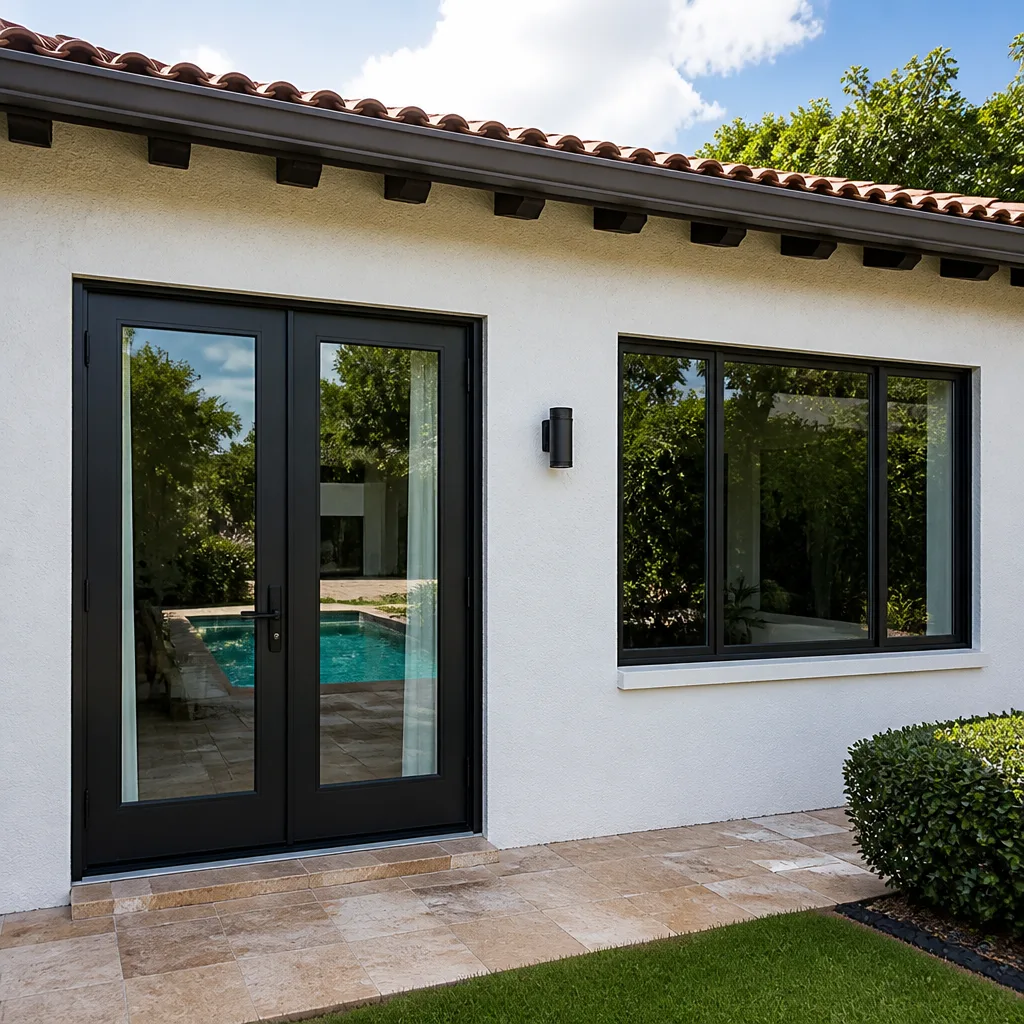 After
After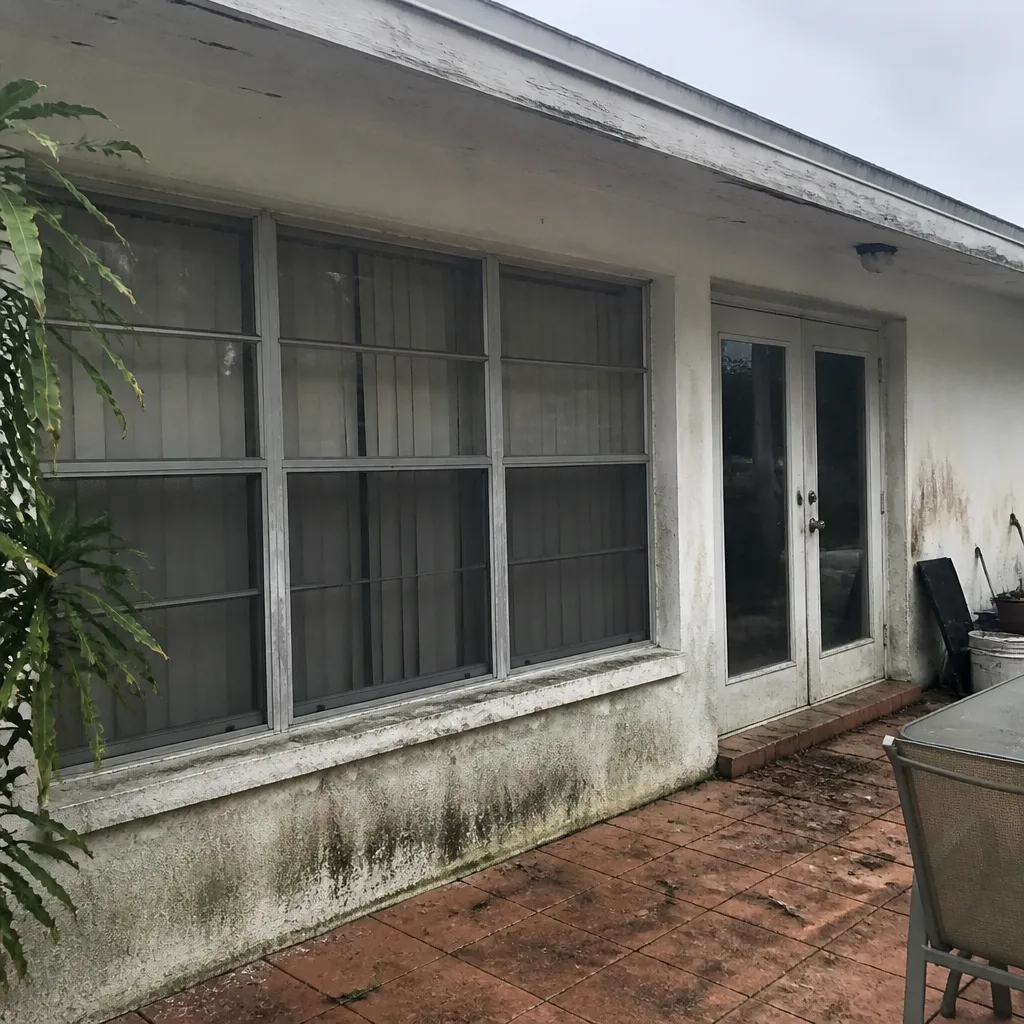 Before
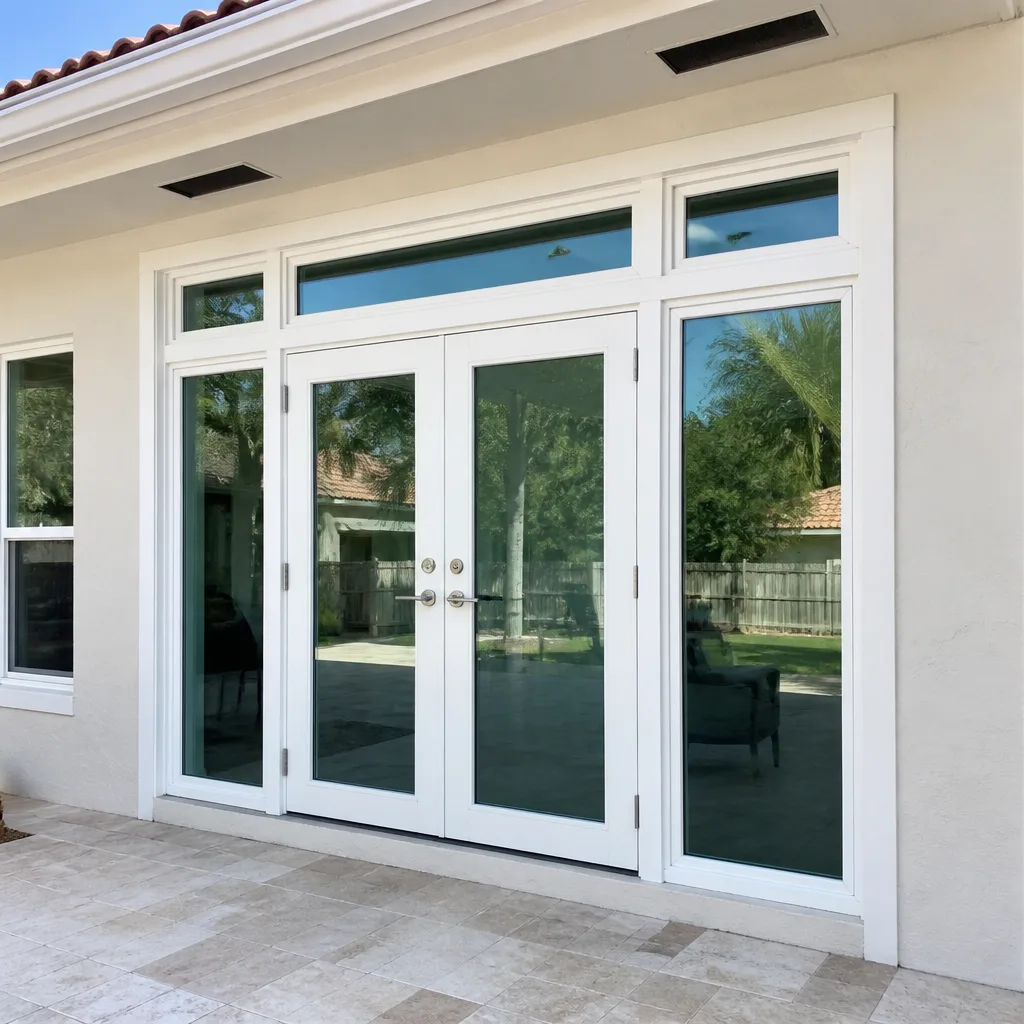 After
AfterWindows & Doors Warning Signs: A Tamiami Homeowner’s Reference Guide
Water staining on a wall below a window is not the beginning of a leak problem. In our experience across Tamiami, it is typically the 18-to-24-month result of a failed sill pan flashing or compromised frame-to-rough-opening sealant. By the time the stain appears, framing lumber may already have measurable moisture content above 19 percent, the threshold where fungal growth becomes viable. This guide and our Complete Guide to Windows & Doors in Tamiami teach homeowners to read the early mechanical and installation indicators that precede visible damage, because the most expensive window or door failure is the one you do not catch until the wall is involved.
Quick Answer
The five early warning signs that a window or door in Tamiami is failing structurally are: hardware requiring more than 15 lbs of force to operate, visible daylight at frame corners, condensation between IG panes, weep holes discharging debris instead of water, and frame corners that flex under hand pressure. These indicators appear 12 to 36 months before water intrusion becomes visible on interior surfaces. Most are installation or product defects rather than normal wear, and they require documented assessment to determine whether the fix is cosmetic or requires full structural re-installation.
Table of Contents
- The Five Early Mechanical Failure Indicators
- What Glass Rattle in an Impact Window Actually Means
- Installation Compliance Red Flags
- Door-Specific Warning Signs in Tamiami’s Climate
- Cosmetic Repair vs. Structural Re-Installation
- Common Mistakes to Avoid
- When to Call a Professional
- Frequently Asked Questions
 Before
 After
AfterThe Five Early Mechanical Failure Indicators
We have measured these indicators across thousands of openings in Tamiami and surrounding Miami-Dade County. Each one represents a specific mechanical or installation defect with a predictable progression. The key is catching them before they produce secondary damage to the wall assembly.
1. Hardware Requiring More Than 15 lbs of Force
A properly functioning single-hung or horizontal roller window should operate with consistent, light pressure. When a sash requires more than 15 lbs of force to raise, lower, or slide, the cause is usually one of three mechanical defects: balance system failure in single-hung units, roller degradation in horizontal rollers, or frame racking that has distorted the sash-to-frame clearance.
In Tamiami’s salt-air environment, we see balance spring corrosion accelerate after the third year of exposure, particularly on east-facing elevations. The 15 lb threshold matters because it is the point at which homeowners begin using two hands or body weight, which deforms the sash further. We document this with a spring scale during every assessment; the reading goes on the measured survey the customer keeps.
What to check: Open and close the window with one hand. If you need to brace against the wall or use your shoulder, the hardware is telling you something. Note which direction the resistance comes from, vertical or horizontal, and whether it is consistent across the travel path.
2. Visible Daylight at Frame Corners
Daylight visible between the sash and frame at any corner indicates seal compression failure or frame joint opening. On vinyl windows, this typically means the fusion-welded corner has stress-cracked from thermal cycling or the sash warpage has exceeded the design tolerance. On aluminum frames, it points to corner key degradation or screw boss failure.
Tamiami’s daily temperature swing, 75°F to 92°F in summer months, produces approximately 1/16 inch of linear expansion per 6 feet of aluminum frame. Proper installation accounts for this with shim placement and sealant backer rod selection. When we find daylight at corners, we also check for adjacent wall settlement; the Tamiami area’s limestone substrate can produce differential movement that racks the frame over time.
3. Condensation Between IG Panes
Insulated glass (IG) units seal two or three panes with a desiccant-filled spacer and primary/secondary sealant system. Fogging between panes means the hermetic seal has failed and atmospheric moisture has entered the airspace. In Tamiami, this failure mode accelerates when the window receives direct afternoon exposure, cycling the edge seal through repeated expansion and contraction.
The desiccant saturates within 30 to 90 days of seal breach. After that, the visible fog becomes permanent water droplets, and the low-e coating on the interior glass surface begins to oxidize. We specify replacement IG units from ES Windows or ECO Window Systems with warm-edge spacer technology and dual-seal construction, which extends seal life in high-thermal-stress applications.
4. Weep Holes Discharging Debris
Weep holes are the small slotted openings at the bottom of the exterior frame that drain water from the sill track to the outside. When they discharge dirt, insect parts, or granular material, the drainage cavity behind the frame is compromised. This is common in Tamiami after heavy rain events, when wind-driven debris enters the track and accumulates in the sill pan.
Healthy weep holes discharge clear water only. Debris discharge indicates either that the sill pan is not sloped to drain, that the weep hole flashings were omitted during installation, or that the cavity has filled with construction debris or pest nesting material. We photograph this during assessment and include the image in the documented photo record the customer receives.
5. Frame Corners That Flex Under Hand Pressure
A properly installed window frame should not move when you press the corner with moderate hand pressure. Flex indicates inadequate fastening to the rough opening, missing or deteriorated shims, or frame material degradation. On vinyl windows, corner flex often accompanies the daylight issue described above; the two progress together as the frame loses structural integrity.
We check this with a calibrated pressure gauge on commercial jobs, but homeowners can perform a reasonable test by pressing the upper corner of a fixed or operable sash while observing the opposite corner. Movement greater than 1/8 inch at the diagonal suggests the frame is not adequately secured to the opening. In Tamiami’s high-velocity hurricane zone, this is a structural concern, not merely a comfort issue.
What Glass Rattle in an Impact Window Actually Means
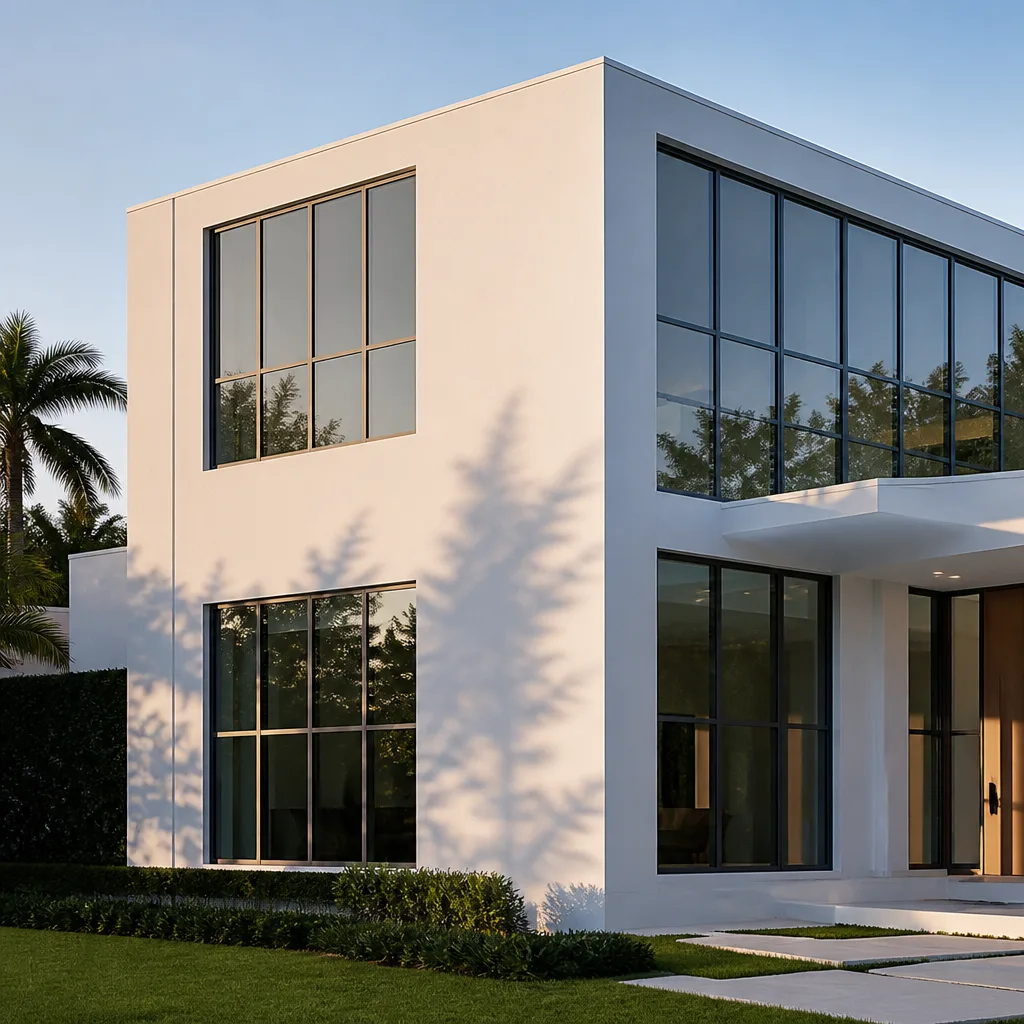
Impact-rated windows in Tamiami are tested to ASTM E1886 and E1996 standards, designed to resist missile impact and cyclic pressure loading. A common homeowner complaint is “glass rattle” during wind events or when a door closes elsewhere in the house. The critical distinction is between thermal expansion noise, which is normal, and glazing tape compression failure, which is a defect requiring correction.
Thermal Expansion Noise
Glass expands approximately 0.0000045 inches per inch per degree Fahrenheit. In a 36-by-72 inch impact lite, a 20°F temperature change produces roughly 1/32 inch of dimensional change. The glazing system accommodates this with setting blocks and edge clearance. During rapid temperature changes, typically morning sun on east glass or afternoon on west, you may hear a soft ticking or pinging as the glass moves against its setting blocks. This is intermittent, brief, and not associated with wind pressure.
Glazing Tape Compression Failure
When the rattle is continuous during wind loading, or occurs when interior doors close, the glazing tape or wet seal has lost compression. The glass is no longer held firmly against the frame, and the impact-rated assembly has been compromised. This is a structural failure because the glass cannot transfer wind load to the frame as designed.
We see this most often on installations where the glazing tape was not specified for the full design pressure of the opening, or where the tape has aged beyond its service life in UV exposure. Tamiami’s UV index averages 9.5 in summer months, and south-facing glazing tape degrades measurably faster than north-facing. The fix is not additional caulk; it requires removal of the lite, replacement of the glazing tape with material meeting the original design pressure rating, and reinstallation with documented torque on the glazing stops.
Mr-Glass impact-rated units specify glazing tape replacement intervals based on cumulative UV exposure hours, which we reference when assessing these failures. The difference between thermal noise and compression failure is whether the sound correlates with temperature change or with mechanical disturbance. Document what triggers the rattle before calling for assessment; it determines whether we schedule a glazing inspection or a full frame evaluation.
Installation Compliance Red Flags
Tamiami falls under Miami-Dade County building code jurisdiction, which requires permits for all window and door replacements, product approval for the specific installation, and final inspection with a green tag or sticker. Beyond the regulatory requirements, certain field observations indicate that the original installation was performed out of compliance with manufacturer specifications and the Florida Building Code.
No Permit Sticker Visible
After final inspection, the building department affixes a permit sticker or green tag to the window or door frame, typically on the header or jamb. If you cannot locate this sticker on a replacement unit installed after 2017, the work may not have been permitted or inspected. Unpermitted work complicates insurance claims, property sales, and warranty enforcement.
We encounter this frequently in Tamiami’s 1950s-to-1980s housing stock, where homeowners or unlicensed contractors performed “like-for-like” replacements without understanding that Miami-Dade requires permits for any modification to the opening, including sash packs and insert replacements. The measured survey we provide includes a permit status check; if the work is unpermitted, we document the condition and advise on compliance path before quoting any new work, as explained in our step-by-step guide to hiring a windows and doors contractor in Tamiami.
No Photo Record from the Contractor
Haven Clause 4, Evidence on Every Job, requires that every Sightline installation produces a documented photo record: rough opening before modification, flashing detail, fastener placement, sealant application, and final condition. If your previous contractor cannot produce dated photographs of your specific installation, you have no evidence that flashing was installed, that fasteners were placed at correct intervals, or that sealant was applied to the specified depth and width.
This matters for warranty claims. Manufacturers deny warranty for installation defects, and without photographic evidence, the homeowner bears the burden of proving compliance. We provide the photo record on every job, stored with the written scope and final invoice, because the measurement and the quote are the same document and the evidence travels with it.
Fastener Heads Visible Through Sealant at Incorrect Intervals
Florida Building Code and manufacturer installation instructions specify fastener type, diameter, embedment depth, and spacing. On a typical vinyl window, this means #8 or #10 corrosion-resistant screws at 6 inches from corners and maximum 12 inches on center, with heads covered by sealant or trim. When we see fastener heads exposed through deteriorated sealant, or spacing that exceeds 18 inches, we know the installation was not performed to spec.
Exposed fastener heads create thermal bridges and water entry points. In Tamiami’s driving rain conditions, a single unsealed fastener can introduce enough moisture to saturate the surrounding sheathing within one wet season. We document fastener placement with photographs during assessment and specify correction that includes removal, proper fastening at correct intervals, and sealant application to manufacturer specifications.
Door-Specific Warning Signs in Tamiami’s Climate
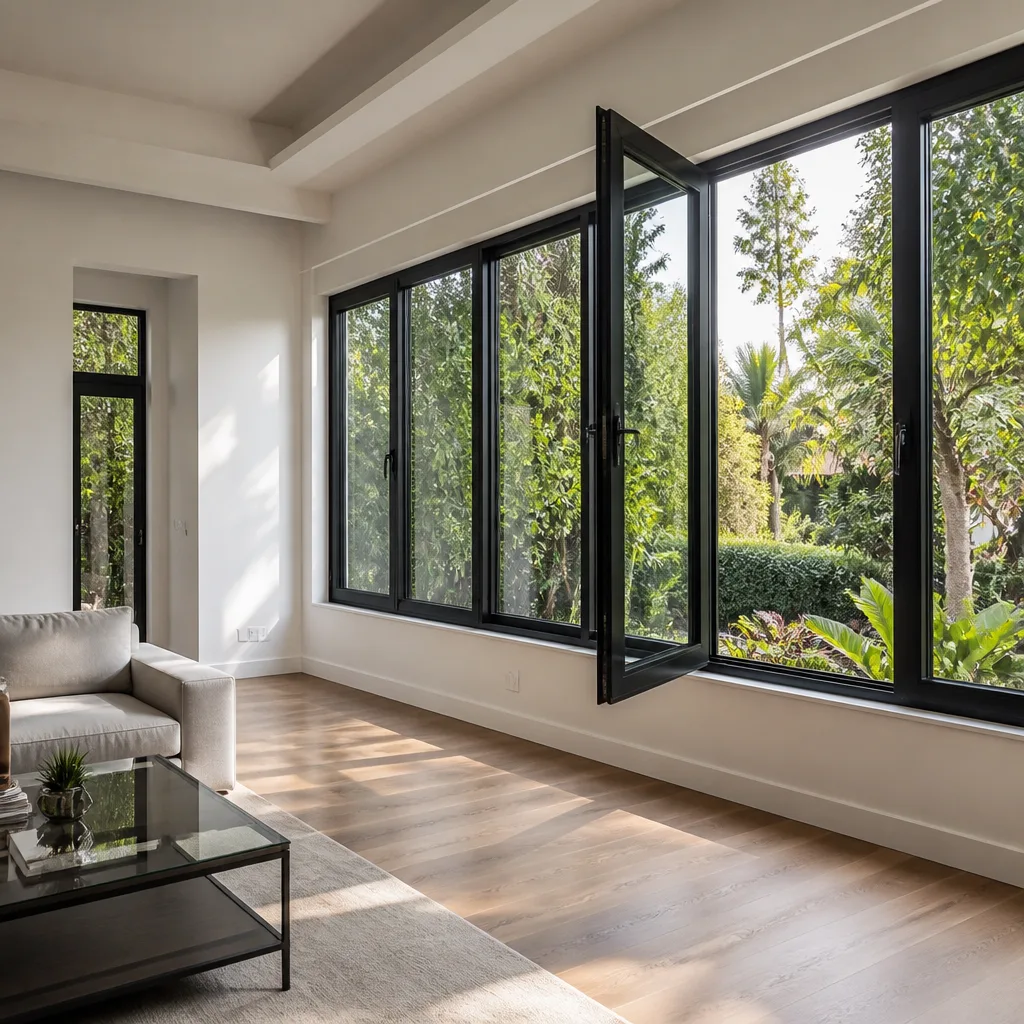
Doors experience different stress patterns than windows due to traffic loading, threshold wear, and the structural demands of multipoint locking systems. In Tamiami’s climate, three failure modes predominate and progress faster than in inland markets.
Threshold Seal Compression Loss
The threshold seal, whether a vinyl bulb, silicone sweep, or adjustable cap, maintains the pressure barrier between the door bottom and the sill. Compression loss occurs when the seal material takes a permanent set from sustained pressure, or when the door leaf sags on its hinges and no longer contacts the seal uniformly.
Test this with a flashlight placed outside the closed door at night. Light visible at any point along the threshold indicates seal failure. In Tamiami, we see accelerated compression set on south-facing doors where threshold surface temperatures exceed 140°F in summer. The fix ranges from seal replacement (cosmetic) to hinge adjustment or frame shimming (structural) depending on whether the door leaf has sagged due to hinge screw pullout or frame racking.
Multipoint Lock Misalignment from Frame Movement
Multipoint locks engage bolts or hooks at two or more points along the door edge, requiring precise alignment between the door leaf and frame. When the frame moves due to settlement, thermal expansion, or improper fastening, the locking points no longer engage smoothly. You will feel this as increased resistance at the handle, or as a lock that requires lifting or pressing the door to engage.
This is a structural concern because a misaligned multipoint lock does not provide the design pressure rating the door was selected for. In Tamiami’s HVHZ (High Velocity Hurricane Zone), a door with inoperable multipoint locking is not code-compliant. We assess this with the door in the closed position, checking each locking point for full engagement and measuring frame squareness with a digital level. Correction typically requires frame re-anchoring or, in cases of wall settlement, structural remediation before door adjustment.
Frame Corner Joint Separation
Fiberglass and steel door frames are assembled from jambs and header with mechanical fasteners and corner braces. Vinyl frames are fusion-welded. Separation at any corner joint indicates material failure or installation stress. On Therma-Tru fiberglass units, we see this when the frame was fastened too tightly to the rough opening, preventing thermal expansion and causing the corner joint to open under stress.
The visible gap is typically 1/16 to 1/8 inch at first, progressing to 1/4 inch or more if unaddressed. Water enters the gap and saturates the composite material, accelerating degradation. We specify correction based on gap dimension: under 1/8 inch with dry substrate, epoxy repair and reinforcement; over 1/8 inch or with moisture in the substrate, frame replacement with proper installation clearances.
Cosmetic Repair vs. Structural Re-Installation
Every warning sign in this guide exists on a spectrum from cosmetic repair to structural re-installation, a distinction we explore further in our DIY vs Professional guide for Tamiami homeowners. The threshold between them is determined by three factors: moisture content of surrounding materials, fastener integrity, and frame squareness. We document all three on the measured survey.
| Warning Sign | Cosmetic Repair Threshold | Structural Re-Installation Threshold |
|---|---|---|
| Hardware resistance | Under 20 lbs force, no frame distortion | Over 20 lbs, frame racking present, or sash damage |
| Daylight at corners | Under 1/16 inch, dry substrate, corner intact | Over 1/16 inch, moisture present, or corner separation |
| IG condensation | Glass unit only, frame and sash dry | Frame saturation, sash warpage, or multiple units |
| Weep hole debris | Cleanable obstruction, sill pan intact | Sill pan missing or improperly sloped, wall moisture |
| Frame flex | Under 1/8 inch, fasteners secure | Over 1/8 inch, fastener pullout, or rough opening damage |
| Glass rattle | Glazing tape replacement only, frame sound | Frame distortion, design pressure compromise, or lite damage |
| Threshold seal loss | Seal replacement, door square | Door sag, hinge screw pullout, or frame racking |
| Multipoint misalignment | Strike adjustment, frame square | Frame out of square over 1/4 inch, or wall settlement |
| Corner joint separation | Under 1/8 inch, dry substrate | Over 1/8 inch, moisture present, or material degradation |
The structural re-installation threshold is not arbitrary. It represents the point at which cosmetic repair will fail within 24 months because the underlying condition has not been corrected. We specify structural re-installation when the measured survey shows: moisture content over 19 percent in adjacent framing, fastener pullout or spacing exceeding code maximum, or frame out of square by more than 1/4 inch in any direction. The written quote reflects this specification; we do not quote cosmetic repair for structural conditions because Haven Clause 5, No Surprises, requires that the scope we quote is the scope that solves the problem.
Common Mistakes to Avoid
- Waiting for visible water damage before acting. By the time drywall stains appear in a Tamiami home, the wall cavity may have been wet for 18 months. The measured moisture content in sheathing at that stage typically exceeds 30 percent, requiring replacement of insulation, sheathing, and often framing. Early mechanical indicators prevent this cascade.
- Applying caulk over failed sealant without removing the old material. New sealant will not bond to deteriorated substrate, and the underlying gap remains. Proper repair requires complete removal, substrate drying, primer if specified, and application to the dimensional requirements of the sealant manufacturer. We document sealant depth and width in our photo record.
- Assuming impact windows are maintenance-free. Impact-rated assemblies require periodic inspection of glazing tape, frame fasteners, and operable hardware. The impact rating is void if maintenance deficiencies compromise the assembly. We provide a maintenance checklist with every window installation in Tamiami.
- Accepting a verbal warranty without written terms. The 365-Day Done Right Promise is written into the Haven Standard and stamped on every job, not offered as a courtesy. If a contractor’s warranty is not in writing with specific coverage, duration, and transferability terms, it is not enforceable.
- Ignoring permit requirements for “like-for-like” replacement. Miami-Dade County requires permits for any window or door replacement that modifies the opening, including sash packs and insert installations. Unpermitted work must be disclosed in property sales and may void insurance coverage for storm damage.
- Evaluating contractors on price alone without reviewing the written scope. The lowest quote often reflects omitted items: permit fees, disposal, photo documentation, or proper flashing. Haven Clause 1 requires that the measurement and the quote are the same document, so the customer knows exactly what is included before work starts.
- Failing to verify that products meet Miami-Dade product approval. Not all windows and doors sold in Florida meet HVHZ requirements. We specify products from PGT, CGI, CWS, ES Windows, ECO Window Systems, Mr-Glass, Therma-Tru, and ViewLux by performance tier and price range, with product approval numbers documented on the written scope.
When to Call a Professional
Call for documented assessment when any of the following conditions are present: hardware resistance exceeds 15 lbs of force and is increasing; daylight is visible at frame corners; condensation between IG panes has persisted more than two weeks; weep holes discharge debris after cleaning; frame corners flex under moderate hand pressure; glass rattle correlates with wind or mechanical disturbance rather than temperature change; threshold light is visible under a closed door; multipoint locks require manipulation to engage; or frame corner joints show visible separation.
These indicators do not resolve spontaneously. They progress on predictable timelines, and the cost of correction increases with delay. Sightline Windows & Doors Tamiami offers free estimates in Tamiami. We will perform a measured survey you keep, provide a written price before any work starts, and leave a documented photo record of our findings. Call (786) 321-9118 to schedule. We also offer a free second opinion on any written estimate from another contractor; bring us their scope and we will review it at no charge.
Frequently Asked Questions
Repair costs range from $180 to $450 for sealant and flashing correction on a window with dry substrate and intact frame, while structural re-installation with frame replacement, rough opening repair, and new installation runs $1,200 to $3,800 per opening depending on size, product selection, and wall condition. The critical variable is whether the leak has progressed to framing damage, which we determine with moisture meter readings during our free assessment. Call (786) 321-9118 for an exact quote; estimates are free and the written price is the price you pay. For more guides & resources, visit our blog.
Condensation between IG panes requires replacement of the insulated glass unit, not the entire window frame, provided the frame and sash are dry and square. IG unit replacement typically costs $280 to $650 depending on lite size, glass specification, and whether low-e or impact-rated glass is required. If the frame or sash has absorbed moisture or warped, full replacement is necessary. We specify ES Windows or ECO Window Systems IG units with warm-edge spacers for Tamiami’s thermal stress conditions.
Impact windows maintain their design pressure rating only when the glazing system, frame anchorage, and hardware are all intact. Check for glass rattle during wind loading, visible fastener heads or sealant gaps at frame perimeter, and hardware that engages fully without forcing. Any of these indicators compromise the impact rating. We provide a documented assessment with pressure calculations referenced to your specific product approval; call (786) 321-9118 to schedule.
No. Haven Clause 1 states that the measurement and the quote are the same document. The written price we provide before any work starts is the final price, with no change orders for conditions we could have observed during assessment. The only price adjustment occurs if the customer modifies the scope in writing after quote acceptance. This has been Sightline’s practice since 2012.
Yes. We obtain all required Miami-Dade County permits, schedule inspections, and ensure green tag issuance before final payment. Permit fees are itemized on the written quote, not added later. Unpermitted work is not an option we offer; it exposes the homeowner to code enforcement action, insurance denial, and sale complications.
Vinyl and aluminum windows with proper installation, maintenance, and product selection for UV and salt-air exposure should perform for 20 to 30 years in Tamiami conditions. The failure modes described in this guide typically appear in the first 5 to 10 years when installation is defective or the product was underspecified for the exposure. We have assessed 8-year-old windows with catastrophic frame failure and 25-year-old windows with original IG units still sealed; the difference is almost always installation quality and product specification, not material alone.
The Bottom Line
Window and door failure in Tamiami is predictable and detectable before it becomes expensive. The five early mechanical indicators, the distinction between thermal noise and glazing tape failure in impact windows, the compliance markers of proper installation, and the door-specific stresses of threshold and multipoint lock systems all provide warning with time to act. The threshold between cosmetic repair and structural re-installation is measurable: moisture content, fastener integrity, and frame squareness, documented on the survey you keep. Waiting for visible water damage means the wall is already involved. The measured survey, written price, and photo record are the tools that prevent this progression.
Written by Sonia Raman, Owner at Sightline Windows & Doors Tamiami, serving Tamiami since 2012.