
Last updated September 24, 2026
Free in-home measure and quote - PGT, CGI and CWS impact lines compared on your actual openings, style by style
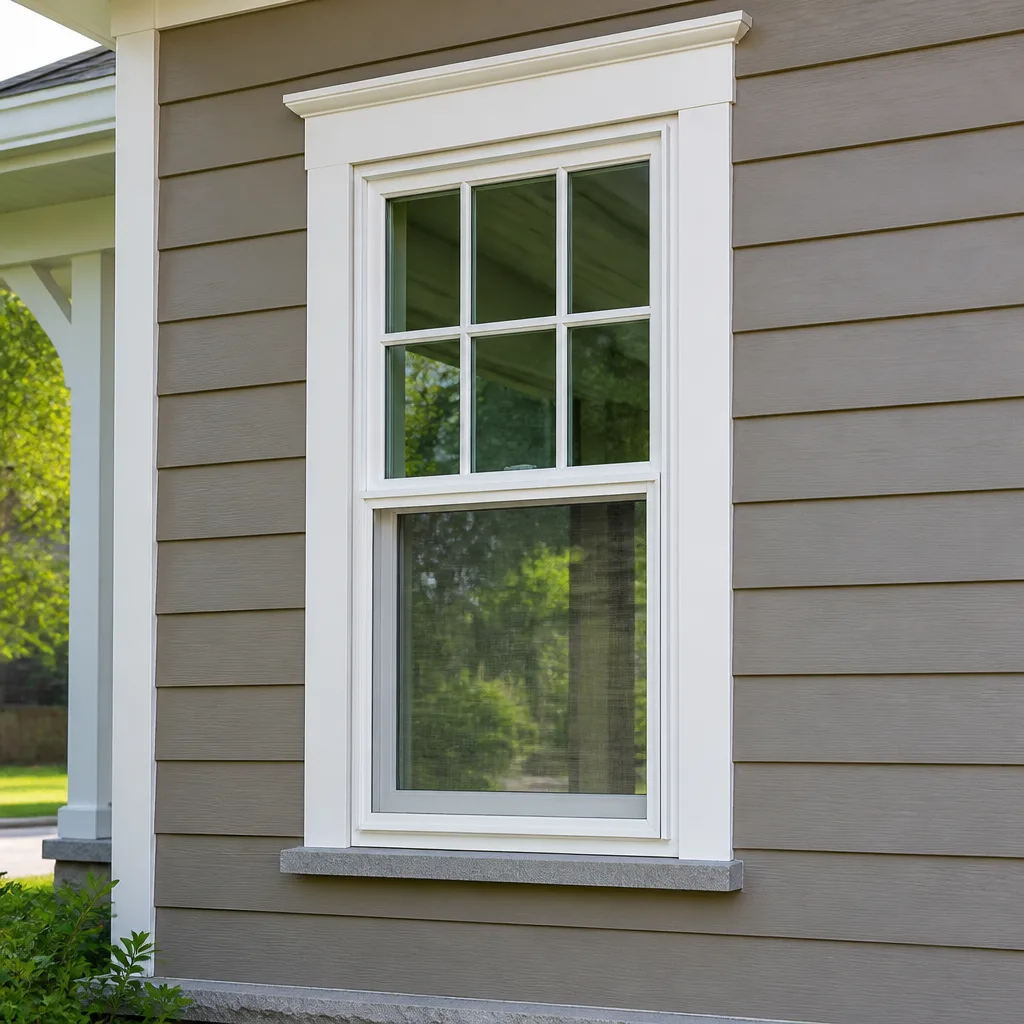
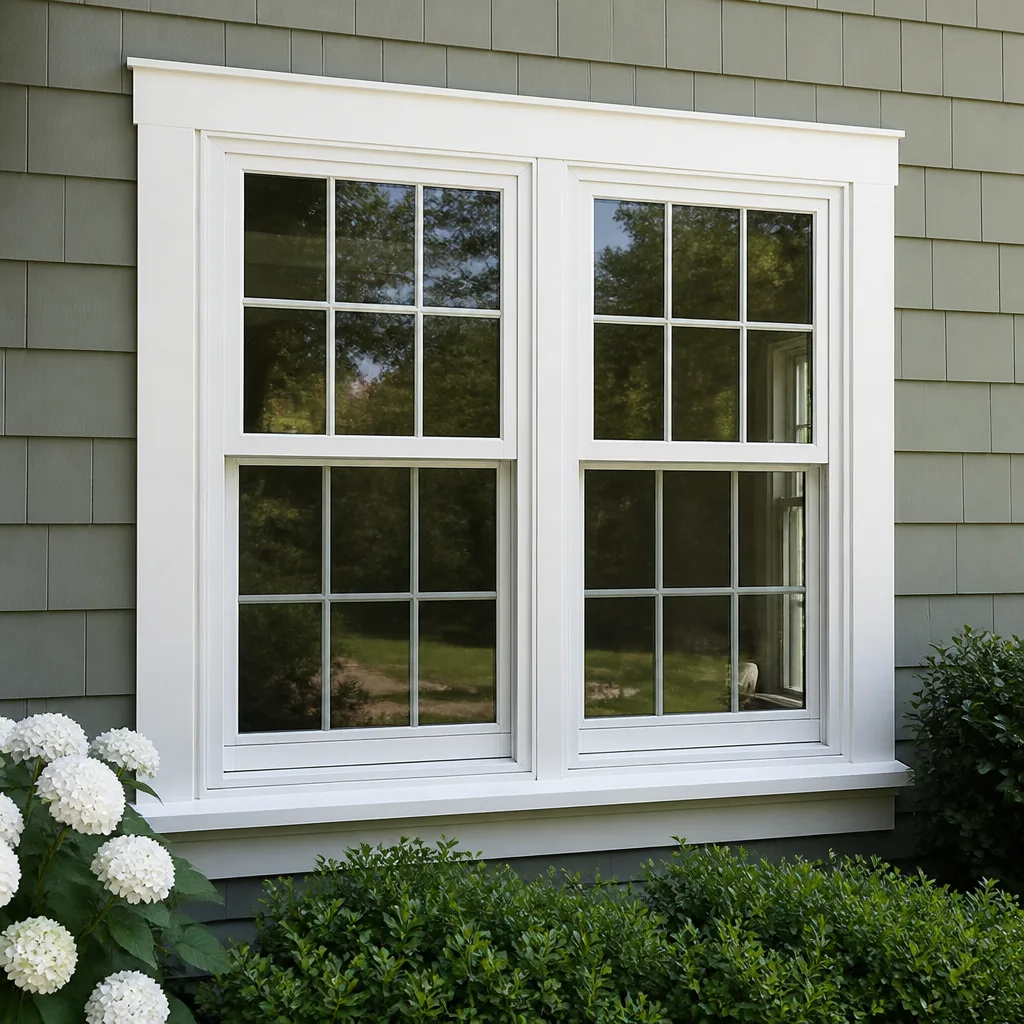
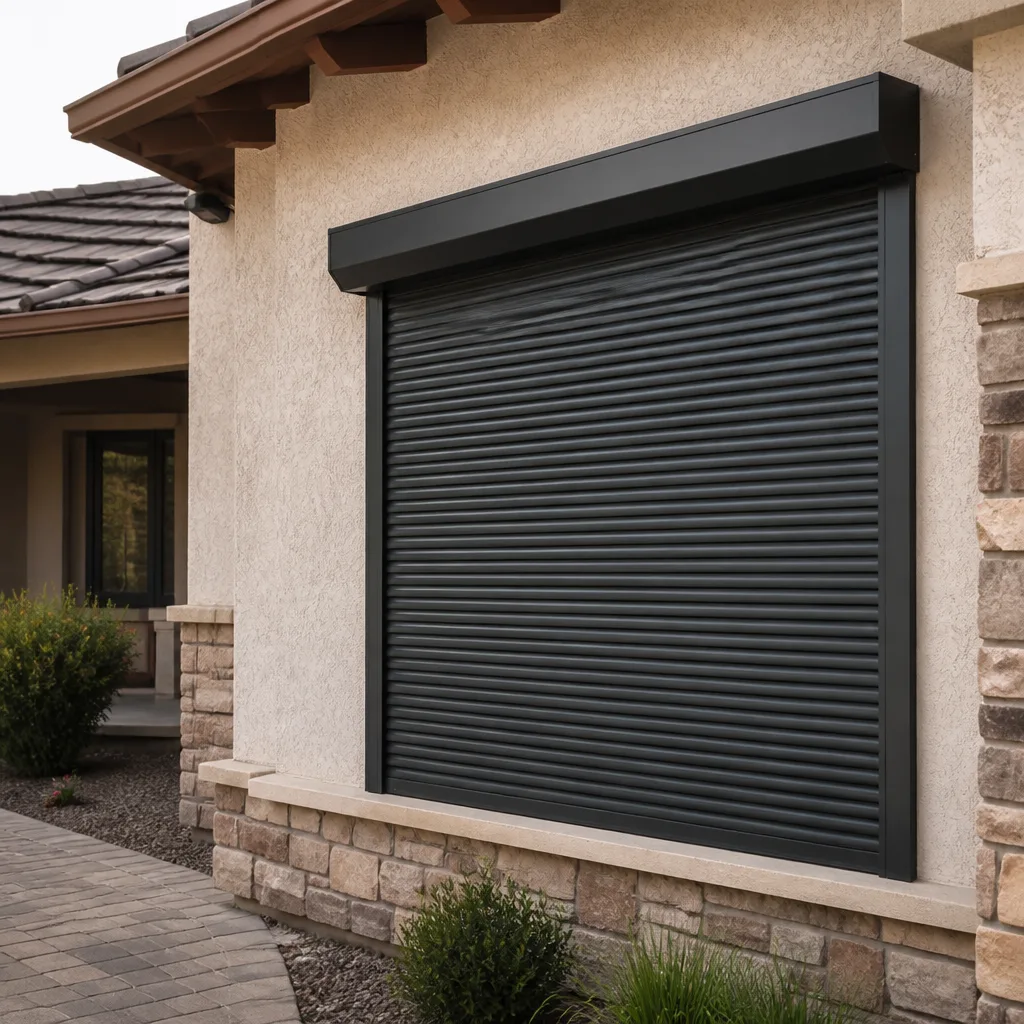
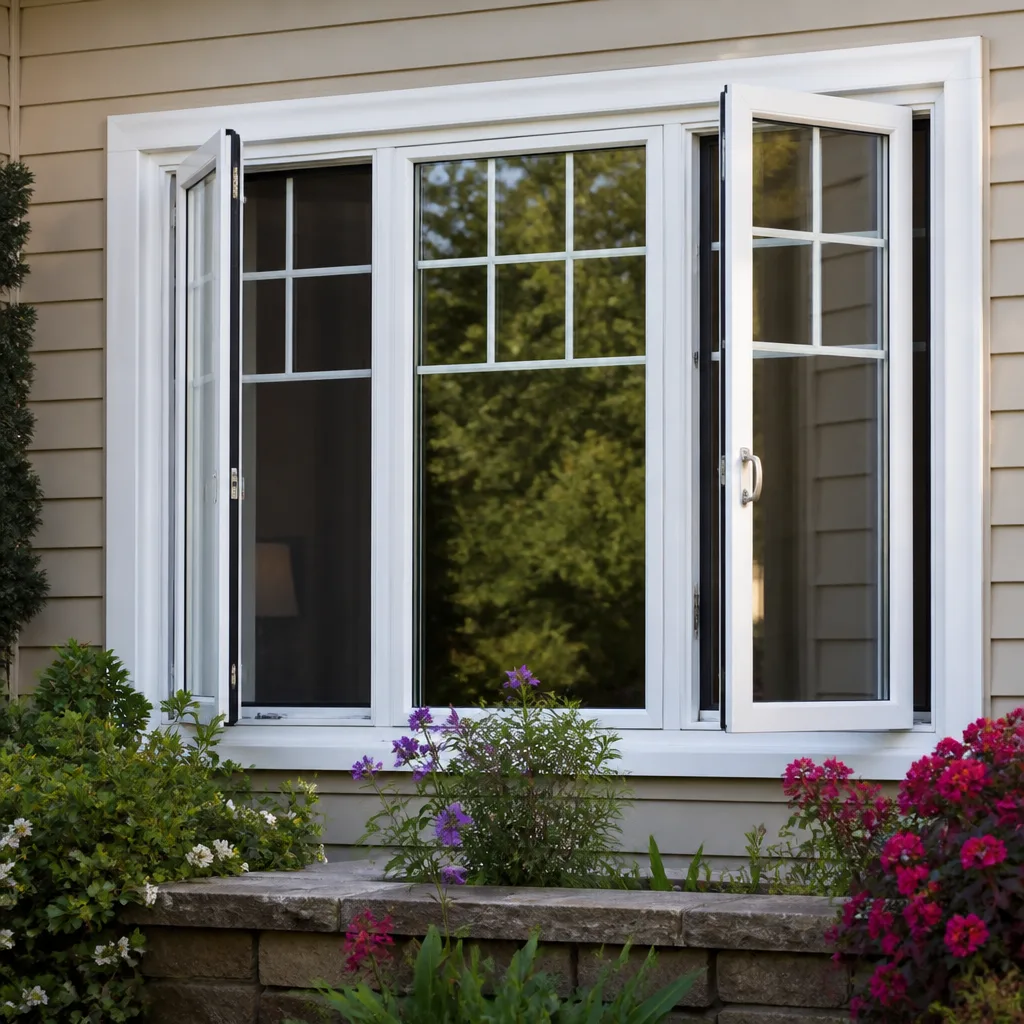
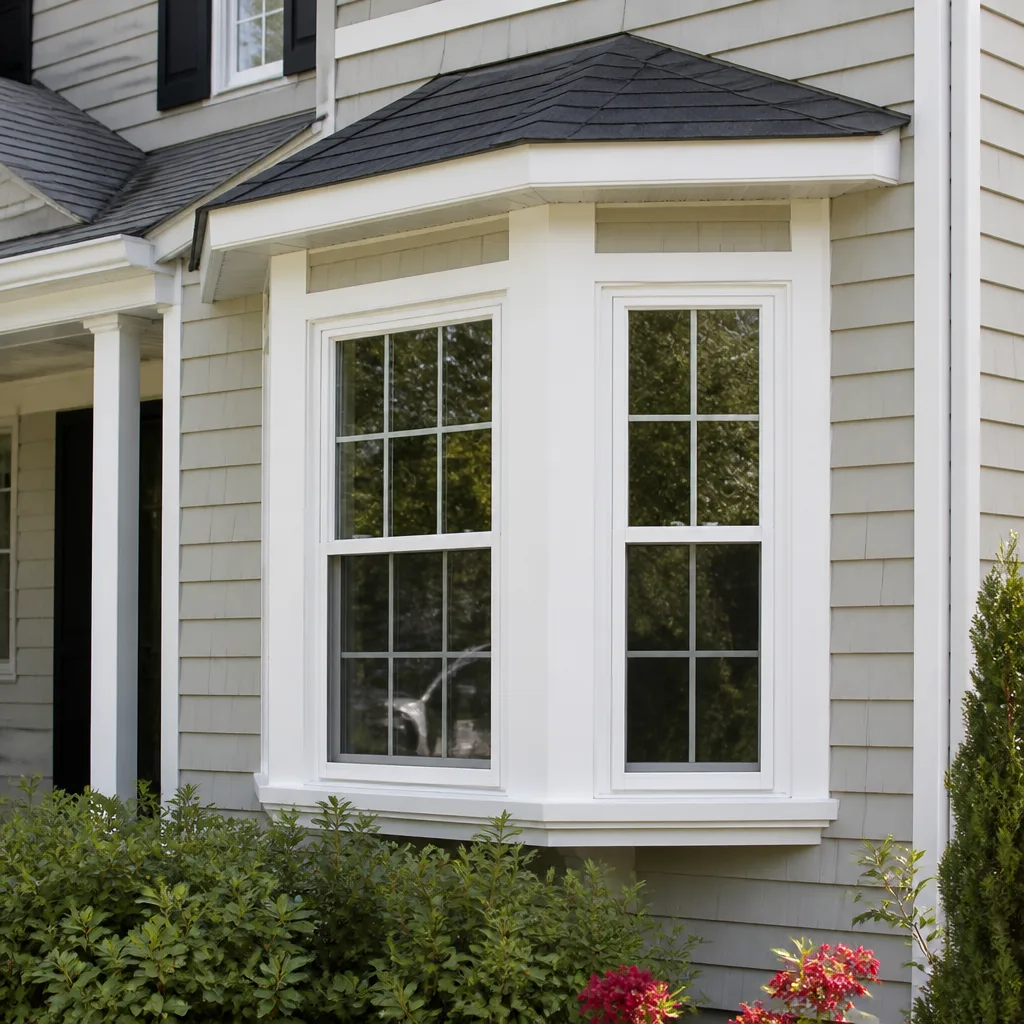
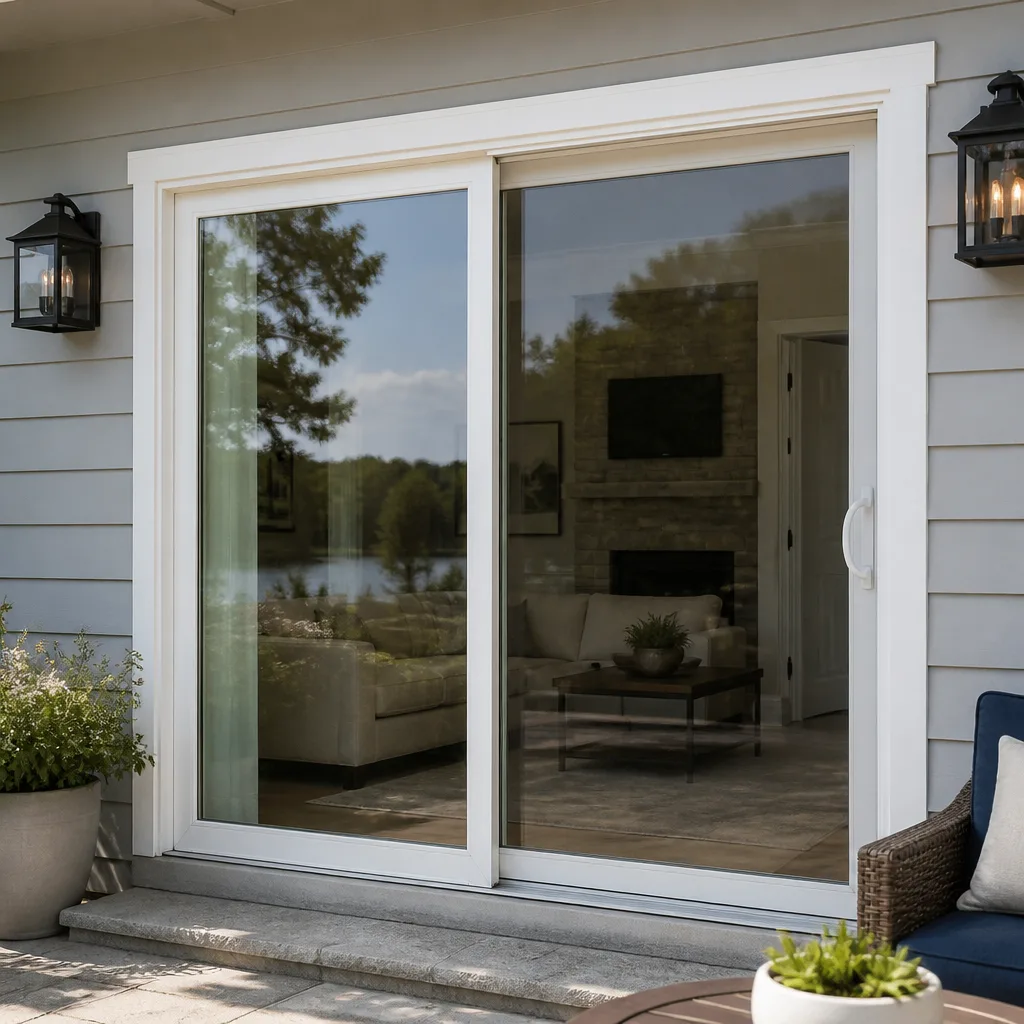
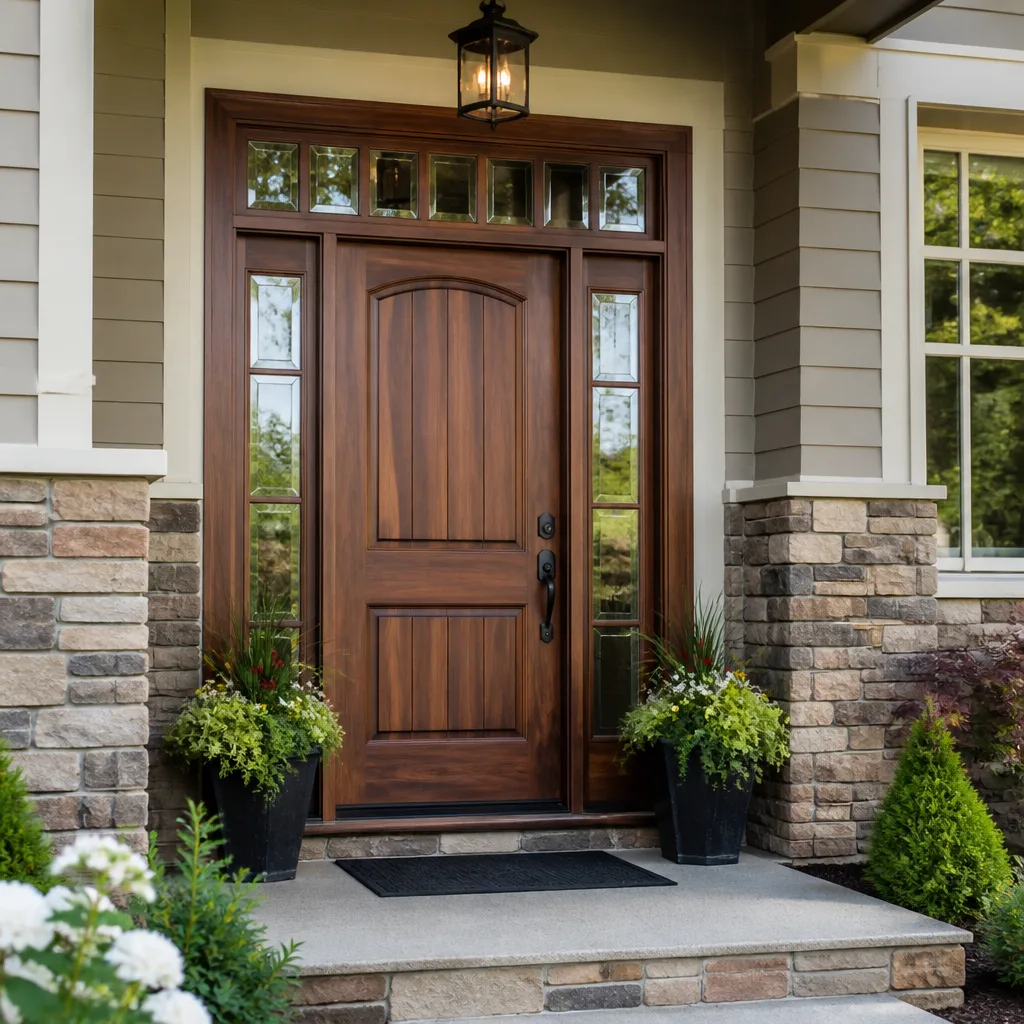
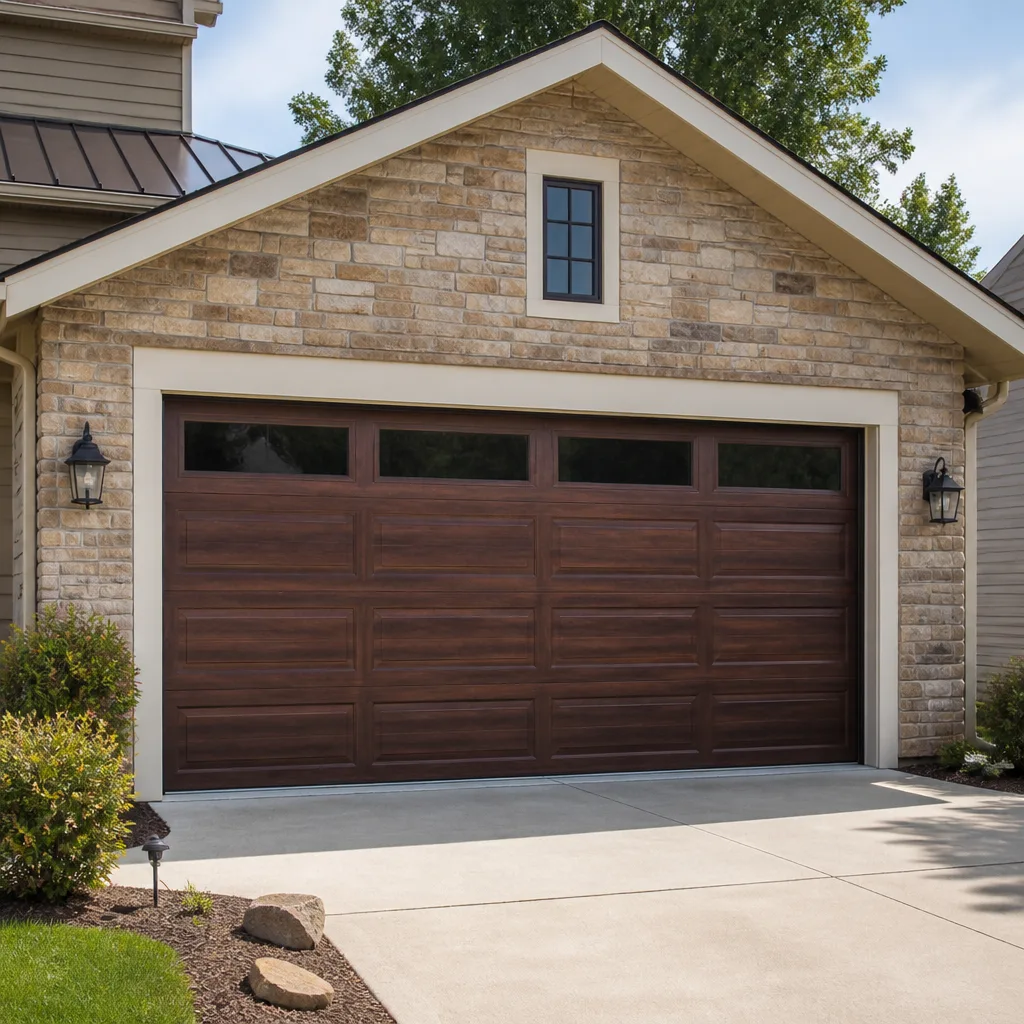
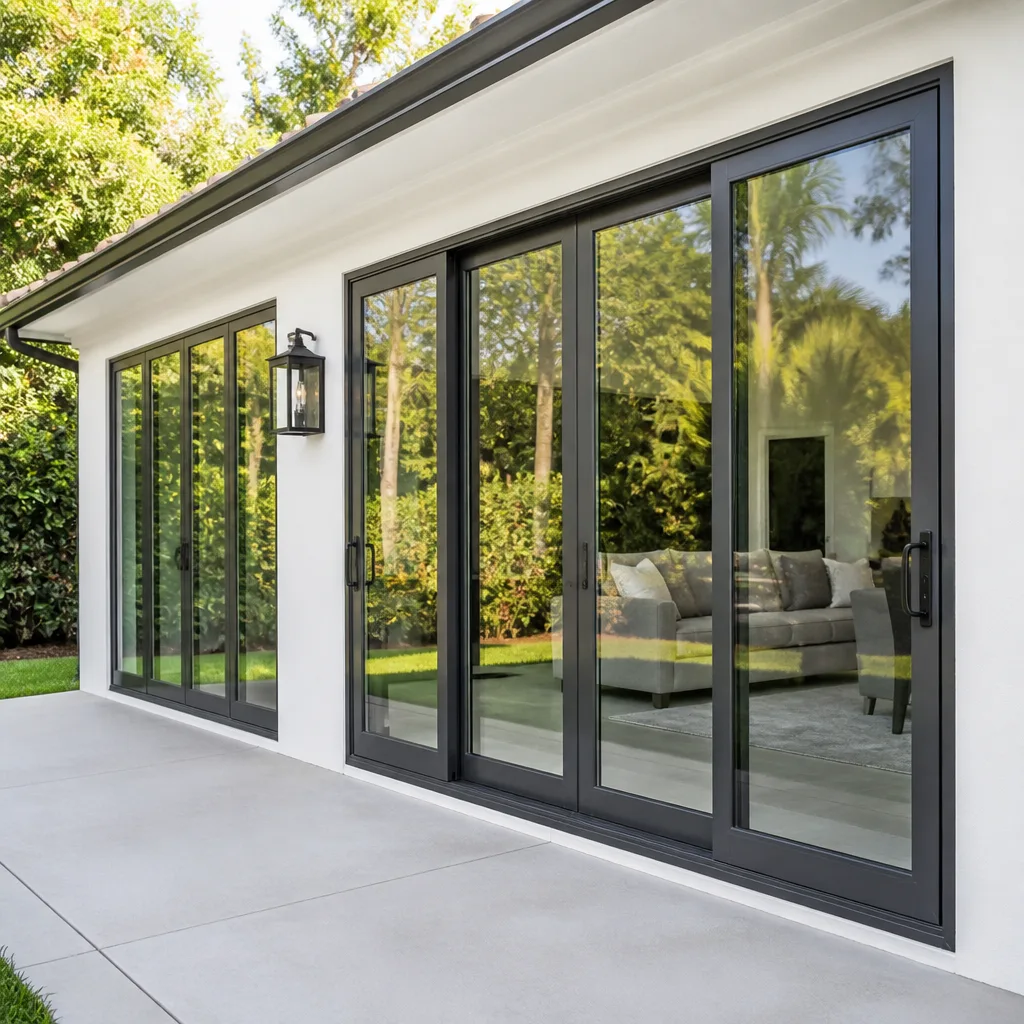
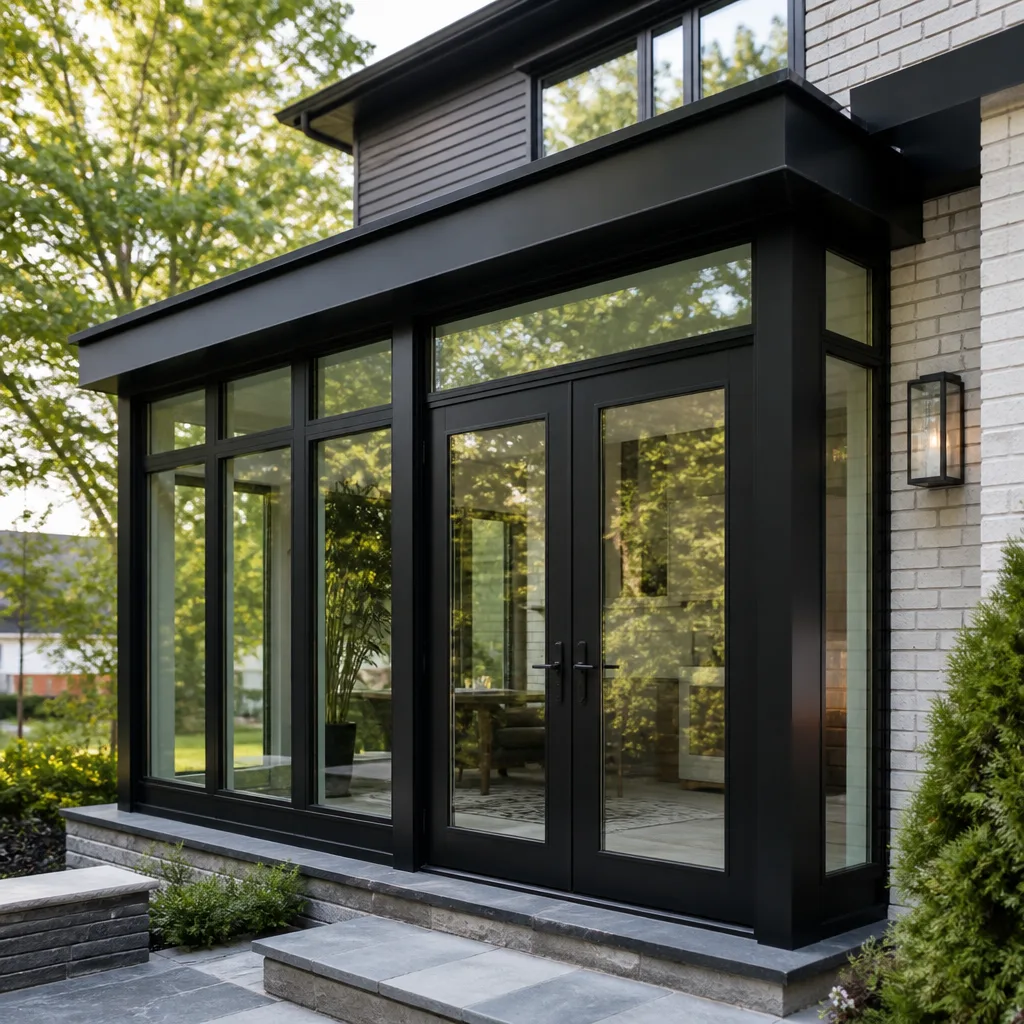
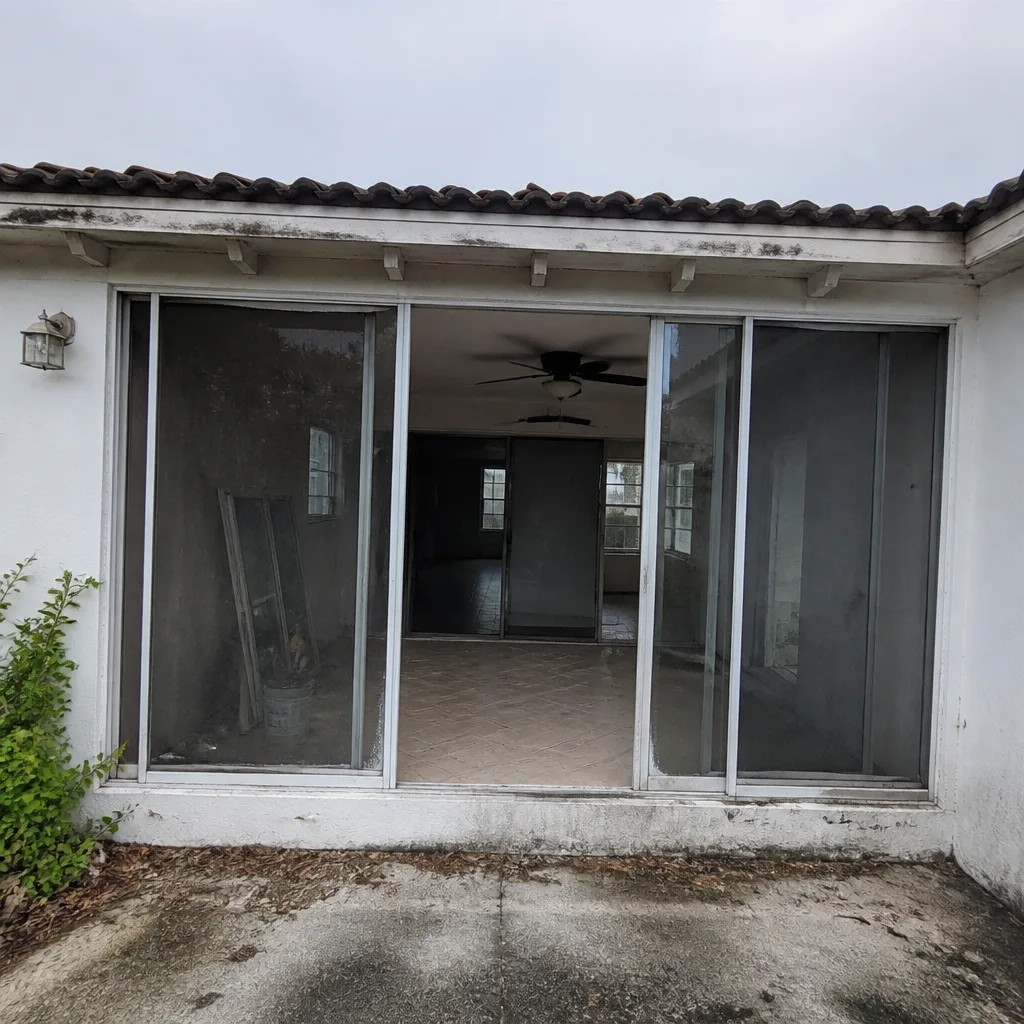 Before
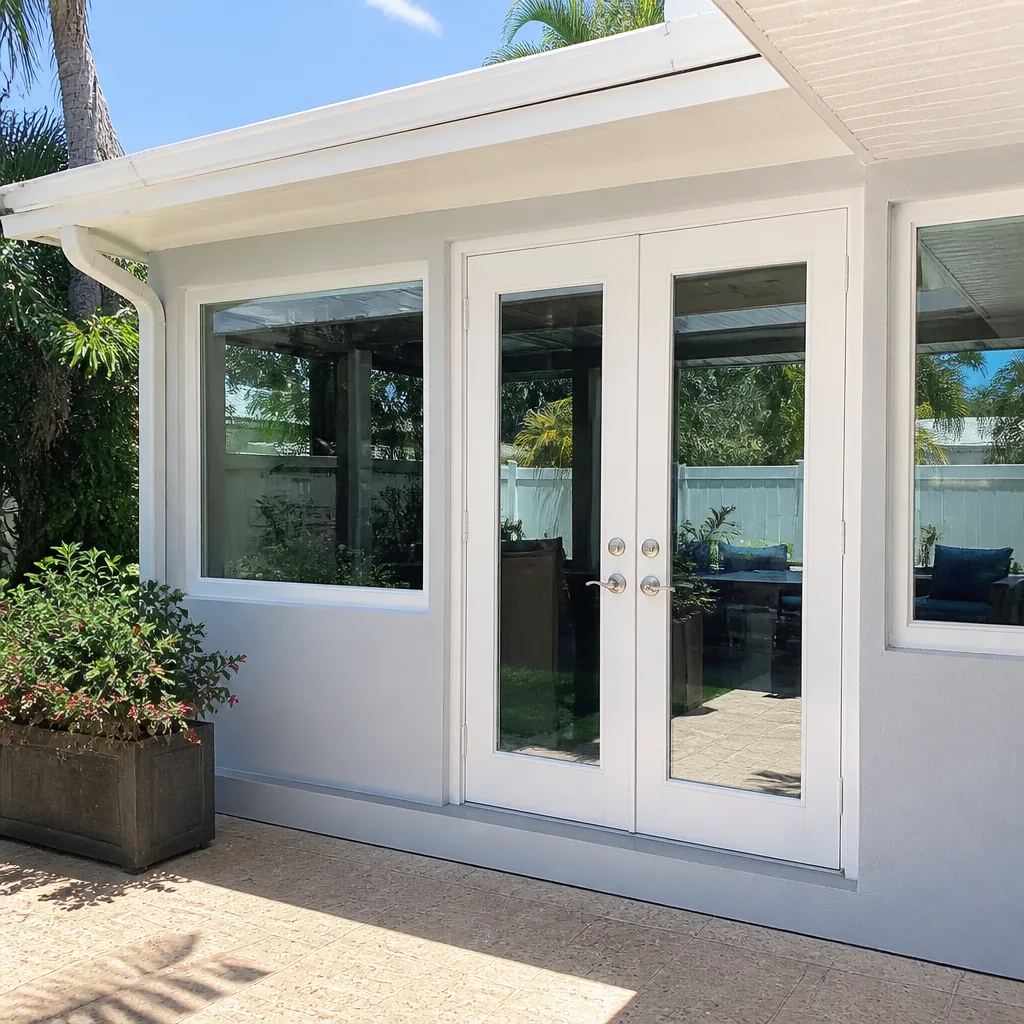 After
After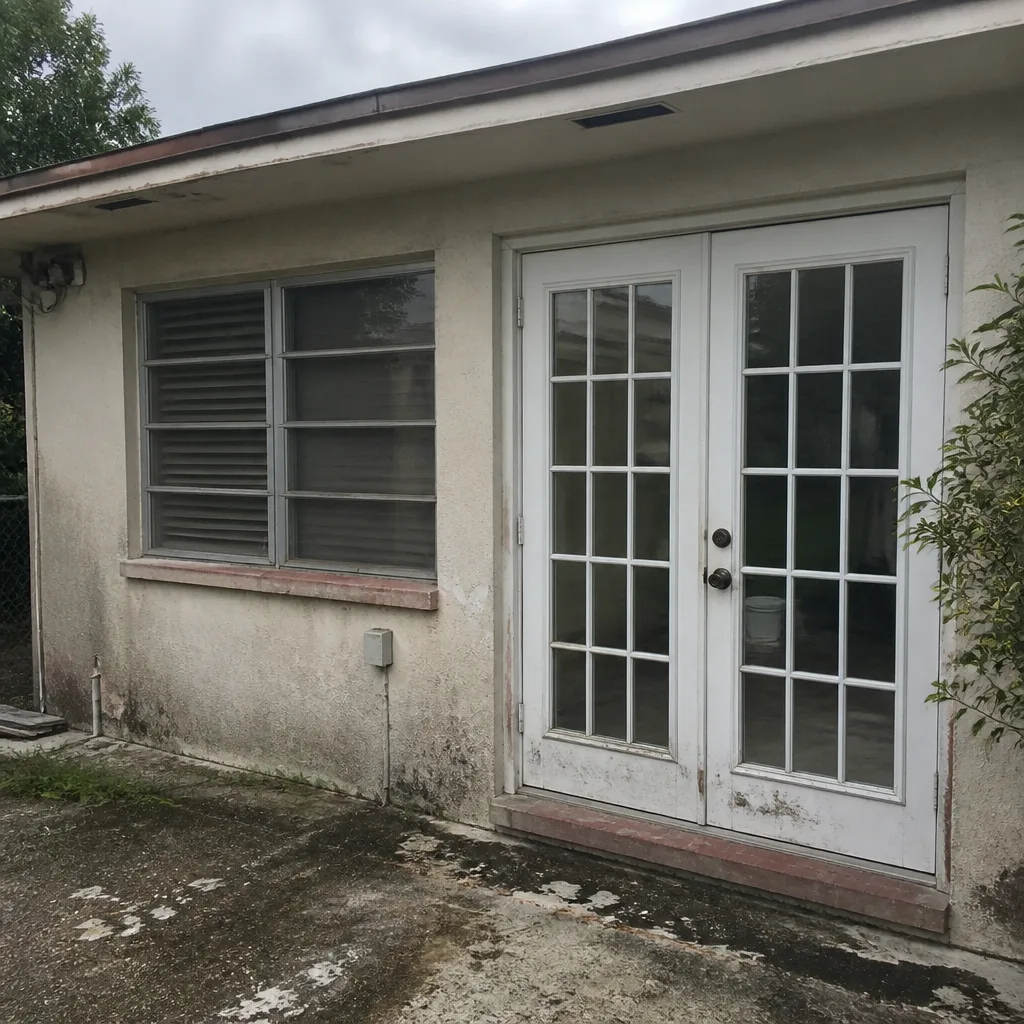 Before
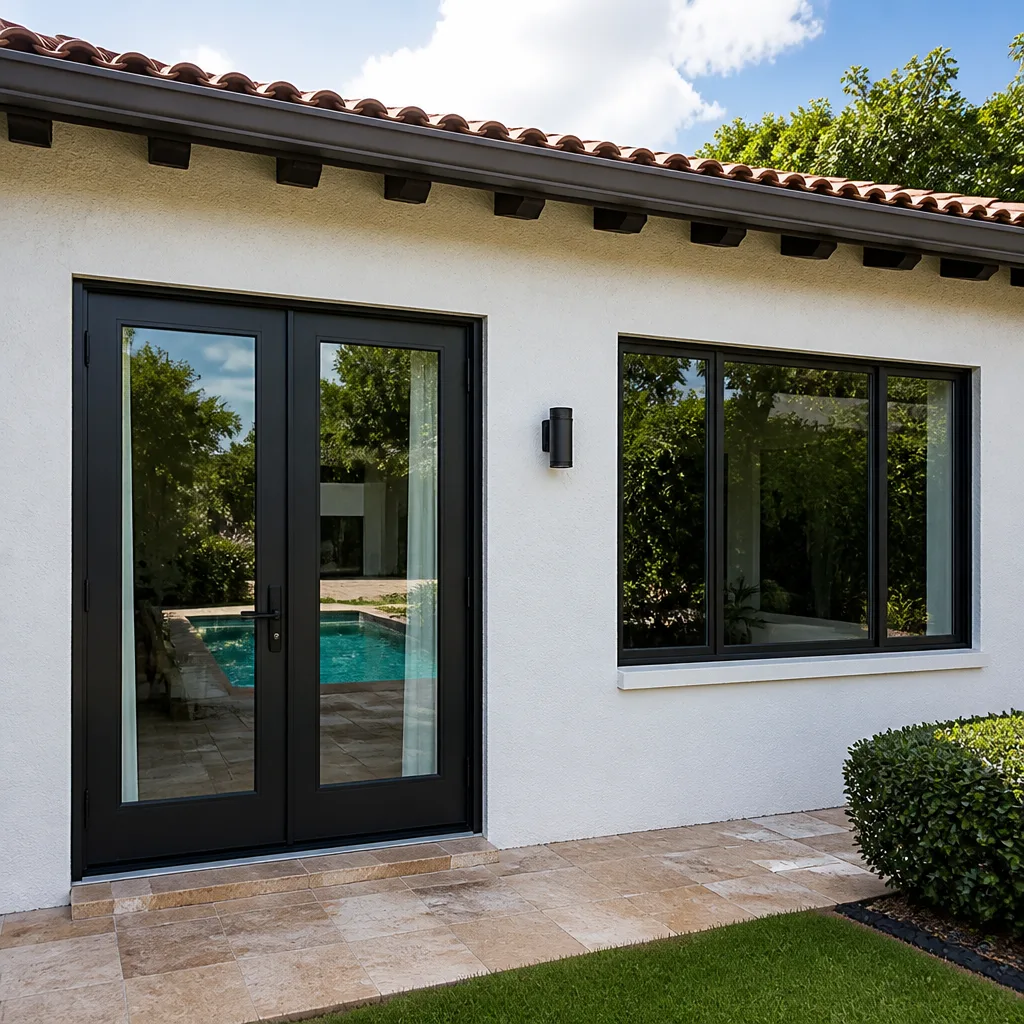 After
After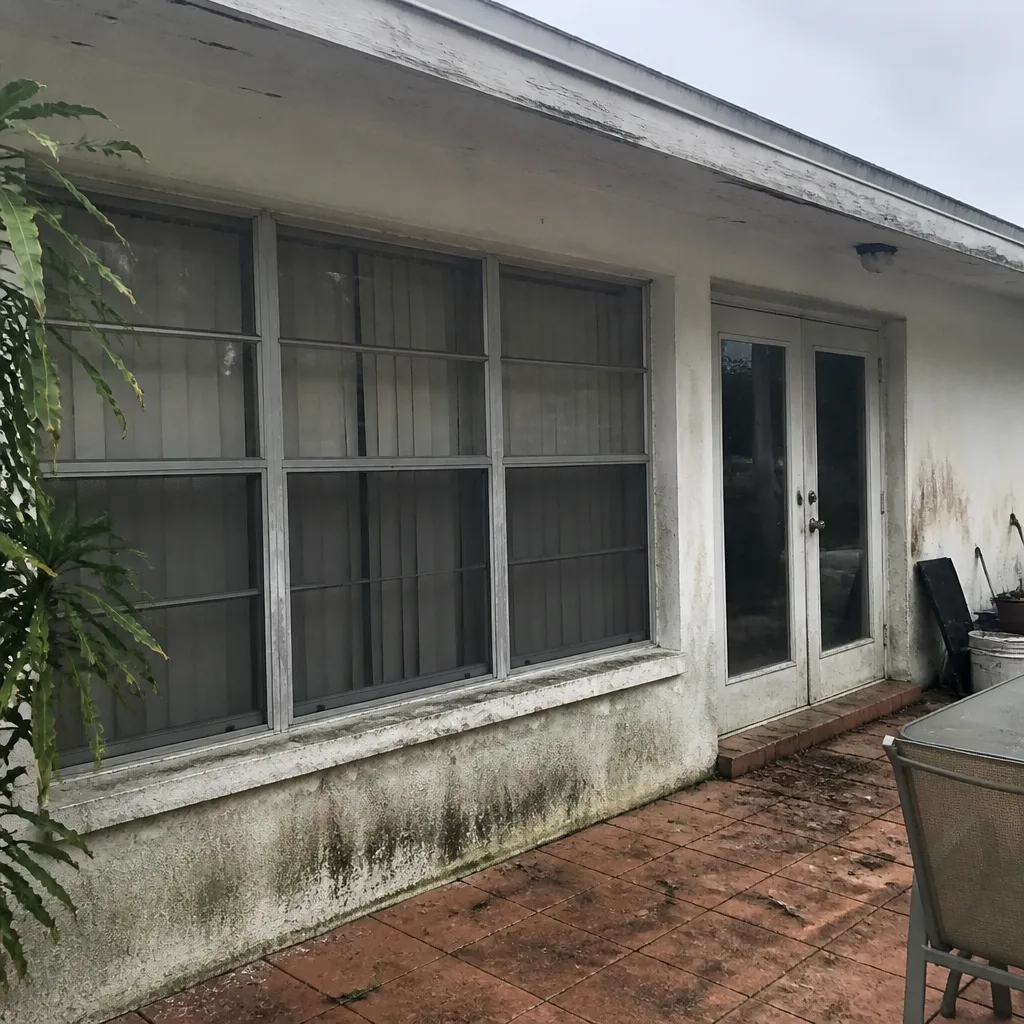 Before
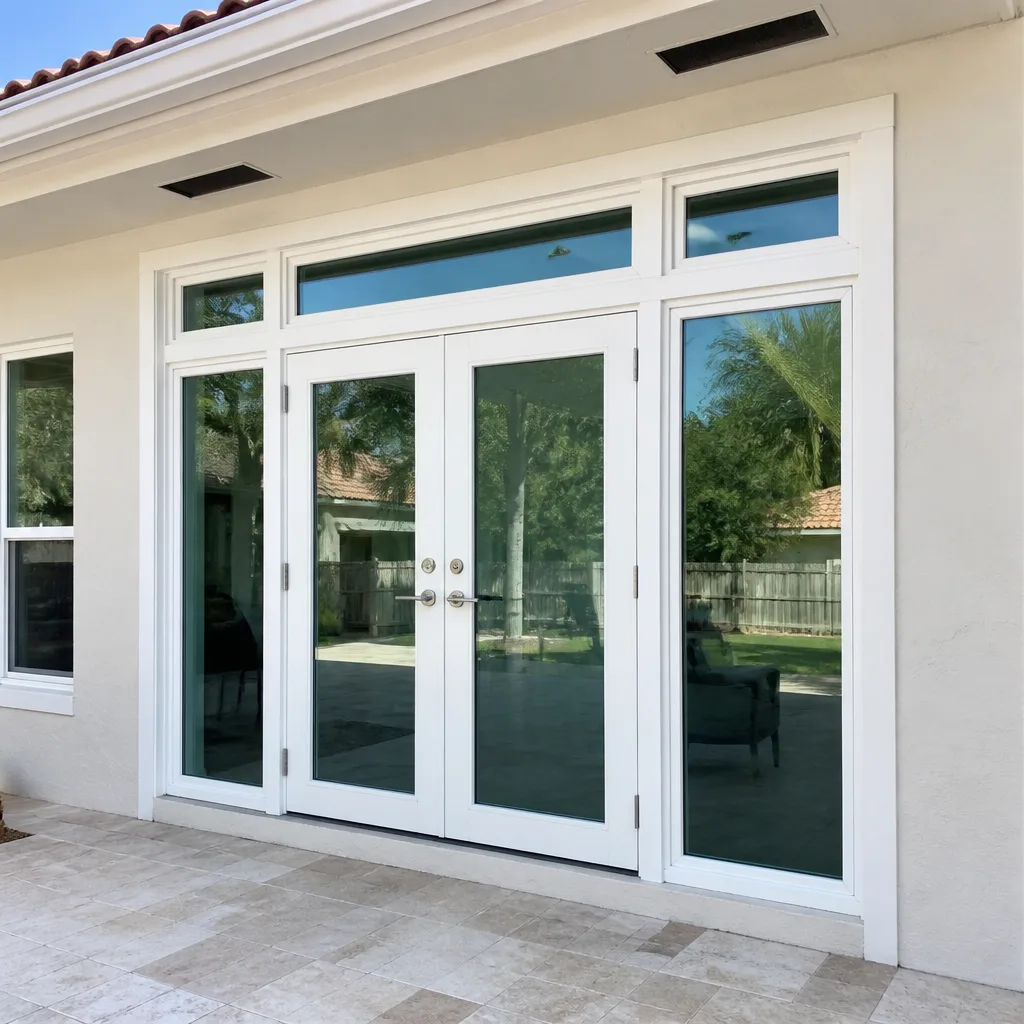 After
AfterDIY vs Professional Windows & Doors: The Tamiami Homeowner’s Decision Guide
Florida Statute 489.103(7) grants homeowners the right to act as their own contractor on their primary residence. In Tamiami, that right collides with a harder reality: Miami-Dade’s High Velocity Hurricane Zone (HVHZ) requirements and the Notice of Acceptance (NOA) conditions on impact-rated products frequently specify licensed installer compliance as a condition of both the permit and the product warranty. We’ve surveyed over 18,000 openings since 2012, and the pattern is consistent - the homeowners who save money are the ones who understand the boundary between what they can legally do and what the code and the warranty require a professional to handle. This guide maps that boundary precisely for Tamiami properties.
Quick Answer
In Tamiami, homeowners can legally perform minor weatherstripping, hardware lubrication, and caulk maintenance on their own windows and doors. Any replacement of the unit itself, any impact-rated installation, and any work requiring a Miami-Dade building permit must be completed by a licensed contractor under HVHZ requirements - see our How to Hire a Windows & Doors Contractor in Tamiami: A Step-by-Step Guide for vetting steps. Self-installation of impact products typically voids the manufacturer warranty, and unpermitted work creates title and resale exposure that DIY savings rarely offset.
Table of Contents

- What Florida Law Actually Allows Homeowners to Do
- Where Miami-Dade HVHZ Requirements Override the Owner-Builder Exemption
- Three Tasks a Tamiami Homeowner Can Handle Without a Permit
- What Requires a Licensed Professional in Tamiami
- Product Warranty Implications of Self-Installation
- The Real Cost Comparison: DIY vs. Professional
- What to Document When You Hire a Professional
- Common Mistakes to Avoid
- When to Call a Professional
- Frequently Asked Questions
 Before
 After
AfterWhat Florida Law Actually Allows Homeowners to Do
Florida Statute 489.103(7) creates the owner-builder exemption. If the property is your primary residence, you can pull your own permit and act as your own contractor for improvements, repairs, or additions. The exemption does not apply to rental properties, second homes, or commercial buildings. It also does not exempt the work from any other applicable code, zoning, or product-specific requirement.
The statute is where many Tamiami homeowners stop reading. They assume the exemption is a blanket permission. It is not. It is a procedural shortcut for permit pulling, not a waiver of technical standards. The work must still meet the Florida Building Code, the Miami-Dade County amendments, and the HVHZ protocols. The homeowner who pulls their own permit assumes full responsibility for code compliance, inspection scheduling, and correction of any failures. In our experience, the correction cycle on a failed window inspection adds 2-4 weeks to project duration and frequently costs more than the original professional quote.
The statute also contains a disclosure requirement. The homeowner must sign an owner-builder disclosure at the time of permit application acknowledging that they are not licensed, that workers’ compensation coverage may not apply, and that they are responsible for all subcontractor compliance. In Tamiami, this means navigating Miami-Dade’s online permitting system, scheduling inspections through the appropriate district office, and understanding that the inspector will apply the same standard to a homeowner that they apply to a licensed contractor.
We’ve reviewed failed inspection reports from Tamiami properties where the homeowner’s installation was technically competent but the documentation was incomplete. Missing NOA documentation, incorrect fastener schedules, or failure to maintain the required 1/4-inch per foot sill pan slope are common reasons for failure. The installation may look correct. The inspector needs to verify it against the approved documents.
Where Miami-Dade HVHZ Requirements Override the Owner-Builder Exemption

Miami-Dade County operates under High Velocity Hurricane Zone protocols, the most stringent wind-borne debris and pressure requirements in the United States. HVHZ is not a suggestion layered over the Florida Building Code. It is a separate compliance layer with its own product approval system, its own installation instructions, and its own inspection criteria.
The critical document is the Notice of Acceptance (NOA). Every impact-rated window and door installed in Tamiami must carry a Miami-Dade NOA or Florida Product Approval. The NOA is not a general endorsement of the product. It is a specific document that ties a manufacturer’s installation instructions to the approved engineering. The NOA for a PGT WinGuard unit, for example, specifies fastener type, fastener spacing, frame attachment method, sealant requirements, and sill pan configuration. Deviation from the NOA is a code violation, regardless of who performs the work.
Here is where the owner-builder exemption narrows. Many NOAs, particularly for impact-rated products, contain language that restricts installation to licensed contractors or to installers who have completed manufacturer-specific training. The NOA is a contract between the manufacturer and Miami-Dade County. If the NOA specifies licensed installer compliance, the homeowner cannot satisfy that condition under the owner-builder exemption. The permit may issue, but the product warranty and the NOA compliance certificate may not.
In Tamiami, this creates three practical limits on DIY window and door work:
- Impact-rated replacement: Any unit carrying a Miami-Dade NOA for HVHZ installation typically requires a licensed contractor per the NOA terms. This covers the majority of replacement windows and doors in Tamiami, where HVHZ compliance is standard for new and replacement installations.
- Structural opening modification: Any change to the rough opening dimensions, header configuration, or load path requires engineered plans and a licensed contractor. This includes converting a window to a door, enlarging an opening, or modifying the framing around an existing unit.
- Permit-required work: Miami-Dade requires permits for all window and door replacements except direct-in-kind replacement of non-impact units in existing one- and two-family dwellings where the opening is not modified. Even this exemption has exceptions in flood-prone zones and historic districts relevant to portions of Tamiami.
The window installation in Tamiami process we follow at Sightline begins with verifying the NOA for the specific product against the opening conditions. The measured survey documents frame squareness, rough opening dimensions, substrate condition, and the existing fastening pattern. This survey becomes the written scope, and the written scope becomes the quote. Haven Clause 1: Have it in writing.
Three Tasks a Tamiami Homeowner Can Handle Without a Permit
Not all window and door maintenance requires a permit or a professional. There are three categories of work that a Tamiami homeowner can perform safely, legally, and without warranty exposure.
1. Weatherstripping Replacement
Replacement of compressible weatherstripping on operable sashes and doors is maintenance, not modification. The homeowner removes the worn pile or bulb seal and installs identical replacement material without altering the frame, sash, or glazing. In Tamiami’s salt-air environment, weatherstripping degrades faster than inland markets. We typically see replacement need at 3-5 years on east-facing exposures. The task requires no tools beyond scissors and a putty knife. The product is available at hardware suppliers. The warranty is unaffected because the glazing, frame, and structural attachment are untouched.
2. Hardware Lubrication and Adjustment
Multi-point locking systems, hinges, and rollers benefit from periodic lubrication and adjustment. A homeowner can apply silicone-based lubricant to moving parts, adjust strike plate alignment, and tighten visible fasteners. This is routine maintenance under every manufacturer warranty. What a homeowner should not do: remove or replace the locking mechanism itself, which may affect the product’s impact rating and NOA compliance. Adjustment is maintenance. Replacement of a multi-point lock on an impact-rated door typically requires a licensed professional to maintain the NOA and warranty.
3. Caulk Maintenance
Perimeter sealant around window and door frames requires inspection and replacement as it ages. In Tamiami, UV exposure and thermal cycling degrade acrylic and latex caulks within 2-3 years. A homeowner can remove deteriorated caulk and apply compatible replacement sealant to the interior and exterior perimeters. The key limitation: this is maintenance of the seal between frame and wall, not replacement of the structural sealant specified in the NOA installation instructions. The NOA-specified sealant at the frame-substrate interface is part of the structural installation and is inspected as such. Perimeter caulk maintenance is cosmetic and weatherproofing. Structural sealant replacement is part of the installation and requires permit and inspection.
These three tasks share common characteristics. They are maintenance of existing, properly installed components. They do not alter the structural installation, the glazing, or the impact rating. They do not require permit or inspection. And they do not expose the homeowner to warranty or resale liability.
What Requires a Licensed Professional in Tamiami
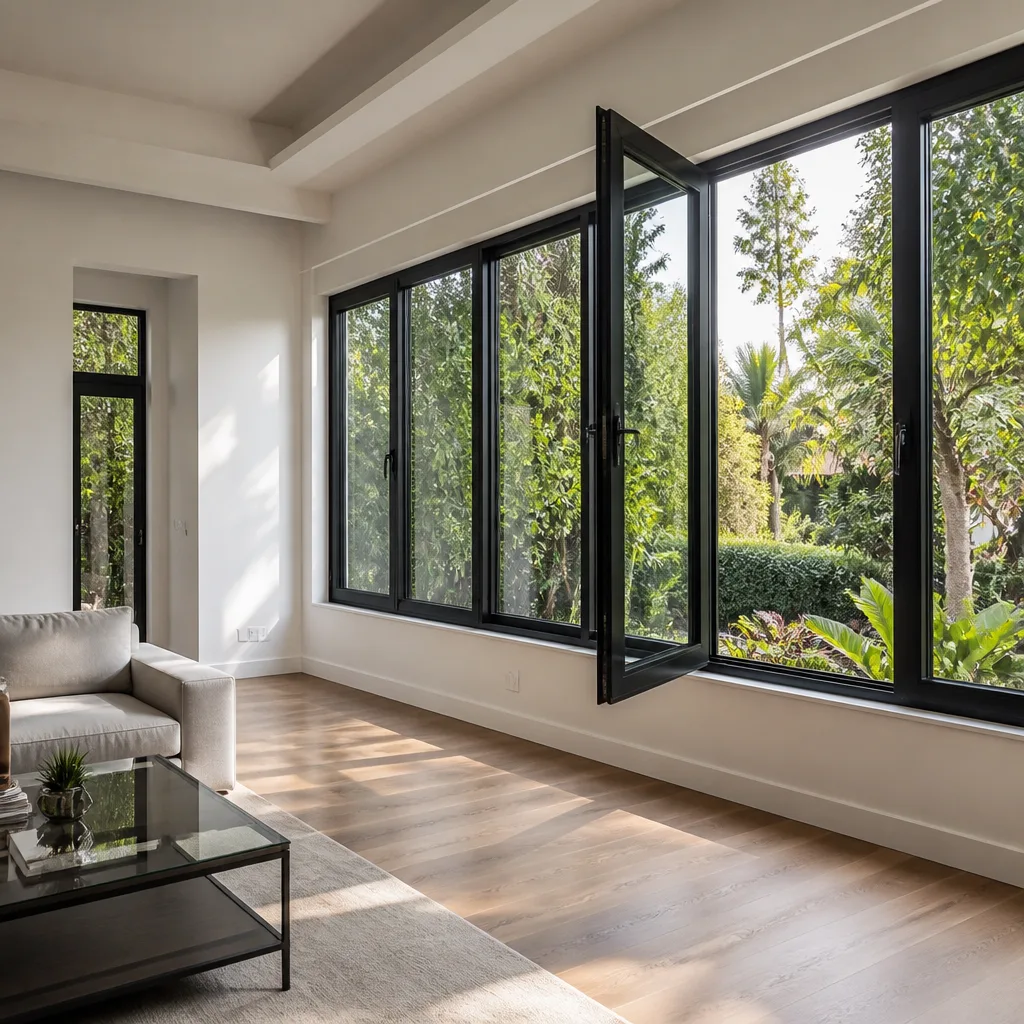
Beyond the three maintenance tasks, window and door work in Tamiami falls into categories where professional licensing is either legally required or practically necessary for warranty and resale protection.
Full unit replacement: Any removal and replacement of a window or door unit, even direct-in-kind, triggers permit requirements under Miami-Dade amendments in most of Tamiami. The replacement must meet current HVHZ standards, which means impact-rated products for most openings. The installation must follow the NOA, which typically specifies licensed installer compliance.
Impact-rated installation: This is the standard for new and replacement work in Tamiami. Products from CGI, CWS, ES Windows, and ECO Window Systems all carry Miami-Dade NOAs. The NOA installation instructions are 15-30 pages of specific requirements for fastening, flashing, sealant, and integration with the wall system. A homeowner can read these instructions. Satisfying the inspector that they have been followed is a different matter.
Structural modifications: Any change to the rough opening, header, or load path requires engineered plans and a licensed contractor. This includes the popular project of converting a sliding glass door to a French door system, or combining two windows into a single larger unit. The structural engineer’s stamp and the contractor’s license are both required for permit issuance.
Garage door replacement: Door installation in Tamiami includes garage doors, which are governed by HVHZ requirements and specific wind load calculations. The spring system on a garage door is under high tension and presents genuine injury risk. We do not recommend homeowner adjustment or replacement of garage door springs or cables. The permit and inspection requirements are also more complex than standard door replacement.
Energy code compliance: Florida’s energy code specifies maximum U-factor and Solar Heat Gain Coefficient (SHGC) values for replacement windows. The professional selects products that meet the code for the specific orientation and exposure. The homeowner who self-installs bears responsibility for energy code compliance, which affects permit approval and utility rebate eligibility.
Product Warranty Implications of Self-Installation
The manufacturer warranty on impact-rated windows and doors is not a blanket promise. It is a conditional contract with specific installation requirements. Failure to meet those conditions voids the warranty, and the conditions are tighter for HVHZ products than for standard units.
PGT’s WinGuard warranty documentation, for example, specifies that the product must be installed in accordance with the published installation instructions and applicable building codes. For HVHZ installations, the instructions reference the Miami-Dade NOA, which in turn specifies licensed contractor installation for many product lines. A homeowner who self-installs may find that a future warranty claim is denied on the basis of non-compliant installation, even if the installation was technically correct.
CGI’s warranty language similarly ties coverage to installation by authorized dealers or licensed contractors for impact-rated products. The warranty card requires documentation of installer credentials. A homeowner acting as owner-builder cannot provide this documentation.
The warranty exposure extends beyond the product itself. Installation errors that cause water intrusion, air infiltration, or structural damage are not covered by the manufacturer warranty. The homeowner who self-installs assumes liability for these outcomes. In Tamiami’s climate, where a single storm season can expose installation defects, this liability is material.
We’ve been called to properties where a homeowner’s self-installation appeared correct but leaked during the first heavy rain. The manufacturer declined coverage due to installation documentation gaps. The homeowner faced full replacement cost plus interior damage repair. The professional installation that had been declined to save $800-$1,200 would have included the documentation, the warranty registration, and the 365-Day Done Right Promise that covers exactly this scenario.
The Real Cost Comparison: DIY vs. Professional
The standard internet comparison presents DIY material cost against professional invoice. This is not the correct calculation for Tamiami. The correct comparison includes material cost, permit and inspection fees, tool and equipment rental, the cost of failed inspection corrections, warranty exposure, and the potential cost of re-installation if the work does not pass or does not perform.
DIY cost structure for a typical 6-window impact replacement project in Tamiami:
- Material (mid-range impact vinyl, PGT or comparable): $2,400-$3,600
- Permit fees (Miami-Dade): $350-$500
- Inspection fees: $150-$250
- Tool rental (nail gun, compressor, level, sealant gun): $200-$400
- Fasteners, sealant, flashing, sill pan materials: $300-$500
- Dumpster or disposal: $150-$250
- Subtotal direct costs: $3,550-$5,500
This assumes no errors, no failed inspections, no warranty claims, and no need for professional correction. It also assumes the homeowner has time to manage permitting, scheduling, and inspection coordination, which in Miami-Dade currently runs 3-6 weeks for the full cycle.
Professional cost structure for the same project:
- All-in installed price (material, labor, permit, inspection, disposal): $4,800-$7,200
- Warranty registration and documentation: included
- 365-Day Done Right Promise coverage: included
- Documented photo record: included
- Permit management and inspection scheduling: included
The delta is $1,300-$1,700 for a typical project. This delta buys: the product warranty, the installation warranty, the permit compliance documentation, the photo record, and the time value of professional project management. It also eliminates the exposure of a failed inspection, which in our experience adds $800-$2,500 in correction costs depending on the defect.
The more accurate comparison is DIY all-in risk-adjusted cost versus professional fixed price. Haven Clause 5: No surprises. The written quote we provide is the measured survey document. It does not change.
For window replacement in Tamiami, we also offer a Free Second Opinion on Any Written Estimate. Bring us a competitor’s quote, including a DIY material list with labor line items, and we will review it at no charge.
What to Document When You Hire a Professional
Whether you choose Sightline or another licensed contractor, the documentation you receive determines your protection at resale, in warranty claims, and in insurance disputes. In Tamiami’s active real estate market, buyers and their inspectors increasingly request permit history and installation documentation.
The six documents to request and retain:
- The measured survey: The pre-installation document showing opening dimensions, frame condition, substrate type, and any irregularities. This is your baseline record.
- The written quote and scope: The fixed-price document that matches the measured survey. It should specify product line, performance values (U-factor, SHGC, design pressure), and installation method.
- The permit application and approval: Verify the permit is in the contractor’s name, not an owner-builder arrangement you did not authorize.
- The NOA for the specific product: The Notice of Acceptance matching the product label. This is the document the inspector uses for comparison.
- The inspection results: Pass documentation for rough inspection and final inspection. In Miami-Dade, these are available online but you should retain your own copies.
- The photo record: Pre-installation, during installation (showing fastening pattern, flashing, and sealant), and post-installation. At Sightline, this is standard on every job under Haven Clause 4: Evidence on every job.
At resale, a buyer’s inspector will look for permit compliance. A title company may flag unpermitted work. Insurance underwriters increasingly request documentation of impact-rated installation for wind mitigation discounts. The homeowner with complete documentation has a defensible file. The homeowner with only a receipt has exposure.
We provide the complete documentation package as standard. The measured survey is yours to keep. The photo record is uploaded to your project file. The permit and inspection documentation is tracked and delivered at completion. This is not an upsell. It is Haven Clause 4 applied to every engagement.
Common Mistakes to Avoid
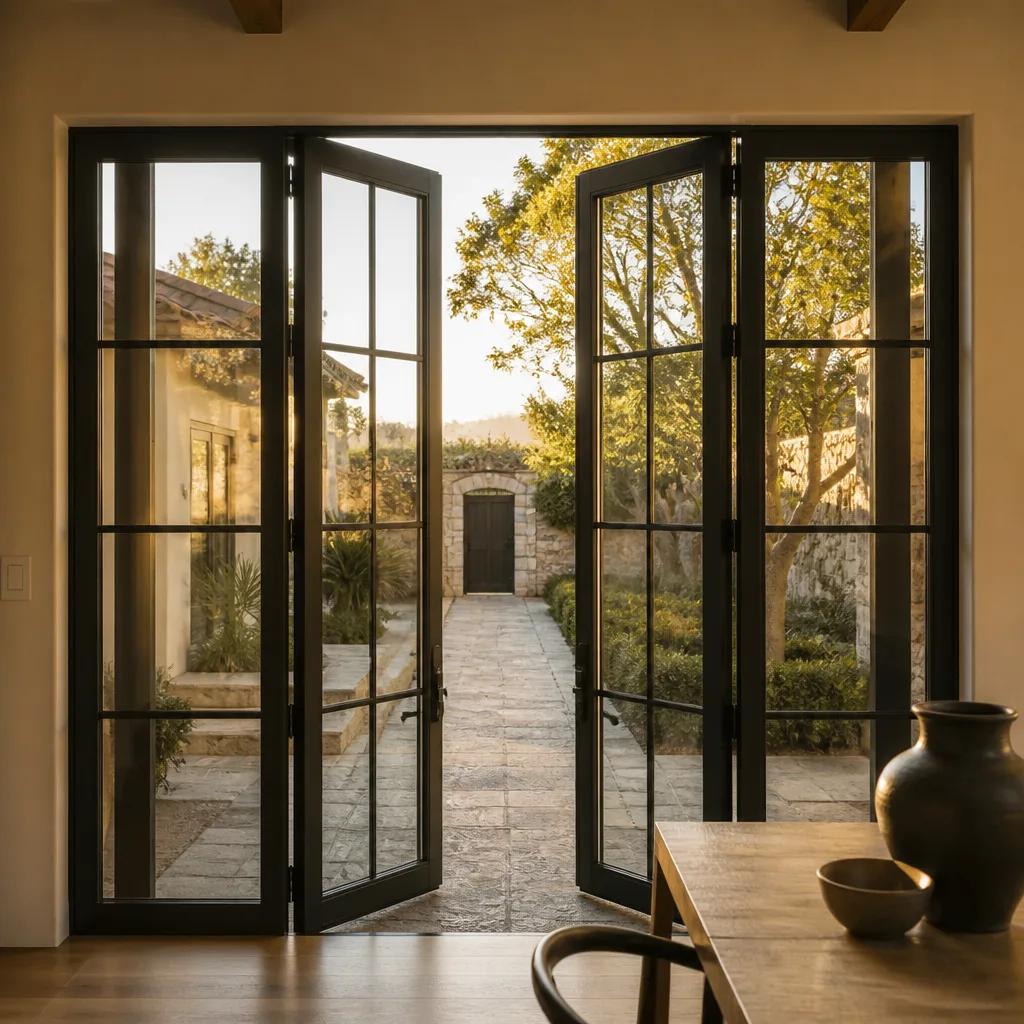
- Assuming the owner-builder exemption covers all work. The exemption allows permit pulling, not code waiver. In Tamiami, HVHZ requirements and NOA conditions create effective limits that many homeowners discover only at inspection.
- Buying impact products online without verifying NOA and installer requirements. Discounted units from non-authorized sources may carry NOAs that specify dealer-only installation. The homeowner saves on purchase price and loses warranty coverage.
- Skipping the permit to save time. Unpermitted window and door replacement is discoverable through satellite imagery, utility records, and visual inspection. At resale, it triggers re-permitting, potential removal, or price reduction. In flood zones common to parts of Tamiami, it affects elevation certificate accuracy.
- Using interior caulk for exterior perimeter sealing. Interior acrylic latex caulk fails within months in Tamiami’s UV and moisture exposure. The correct product is a compatible polyurethane or silicone sealant rated for exterior use on the specific substrate.
- Ignoring fastener corrosion in coastal air. Standard steel fasteners degrade in Tamiami’s salt air within 2-3 years. The NOA specifies stainless steel or coated fasteners for a reason. Using hardware-store standard screws is a common and costly error.
- Failing to verify the contractor’s license at the state database. Haven Clause 3: Verified crews. At Sightline, every technician’s license number is provided before arrival. Verify any contractor the same way.
When to Call a Professional
Call a licensed contractor when the work involves unit replacement, impact-rated products, structural modification, or permit requirements. In Tamiami, this covers the majority of window and door projects. The boundary is not skill or confidence. It is the intersection of code, warranty, and resale requirements that the owner-builder exemption does not reach.
Sightline Windows & Doors Tamiami home offers free estimates throughout Tamiami. Every estimate begins with a measured survey you keep, and the written price before any work starts is Haven Clause 1. Our technicians are background-checked, uniformed, and identified by license number before arrival. Call (786) 321-9118 to schedule your free estimate.
Frequently Asked Questions
Florida law allows homeowners to act as their own contractor on their primary residence, but Miami-Dade’s HVHZ requirements and most impact-product NOAs specify licensed installer compliance as a condition of warranty and permit approval. For most window replacement in Tamiami, the practical answer is no if you want warranty coverage and clean resale documentation. Browse our more guides & resources, or call (786) 321-9118 for a free estimate on professional installation.
Professional installation for a typical 6-window impact replacement runs $4,800-$7,200 all-in, including permit, inspection, and documentation. DIY material and direct costs run $3,550-$5,500 before accounting for failed inspection corrections, warranty exposure, and re-installation risk. The net difference is typically $1,300-$1,700 for full warranty and compliance protection. Call (786) 321-9118 for an exact quote on your specific openings - estimates are free.
Most impact-rated window warranties for HVHZ products, including PGT and CGI lines, require installation by licensed contractors or authorized dealers. Self-installation typically voids coverage for product defects and always voids coverage for installation-related issues like water intrusion or air infiltration. The warranty card requires installer credential documentation that an owner-builder cannot provide.
Miami-Dade requires building permits for all window and door replacements except direct-in-kind replacement of non-impact units in existing one- and two-family dwellings with no opening modification. Impact-rated replacements, structural changes, and most projects in Tamiami require permits with HVHZ compliance documentation. The permit application requires either a contractor license or a signed owner-builder disclosure.
Request the contractor’s license number and verify it at the Florida Department of Business and Professional Regulation website. Confirm the license is active, in good standing, and includes the window and door specialty. At Sightline, we provide technician license numbers before arrival under Haven Clause 3. We also welcome verification - a license that cannot be verified should not be hired.
Retain the measured survey, written scope, permit approval, NOA for the installed product, inspection pass documentation, and photo record of installation. These six documents establish permit compliance, warranty validity, and proper installation method. In Tamiami’s competitive resale market, complete documentation differentiates a property and supports wind mitigation insurance discounts.
The Bottom Line
The DIY vs. professional question in Tamiami is answered by the code, not by confidence or skill. Florida’s owner-builder exemption exists, but Miami-Dade’s HVHZ requirements and impact-product NOA conditions create a practical boundary that excludes most window and door replacement from safe DIY execution. The three tasks a homeowner can handle - weatherstripping, hardware maintenance, and caulk upkeep - are genuine maintenance, not installation. Everything else carries permit, warranty, and resale exposure that professional installation eliminates for a predictable margin. The documentation you receive matters as much as the installation itself. Get the measured survey, the written price, the permit record, and the photo evidence. That is the Haven Standard, and it has governed every one of our 18,000+ installations since 2012.
Written by Sonia Raman, Owner at Sightline Windows & Doors Tamiami, serving Tamiami since 2012.