
Last updated September 24, 2026
Free in-home measure and quote - PGT, CGI and CWS impact lines compared on your actual openings, style by style
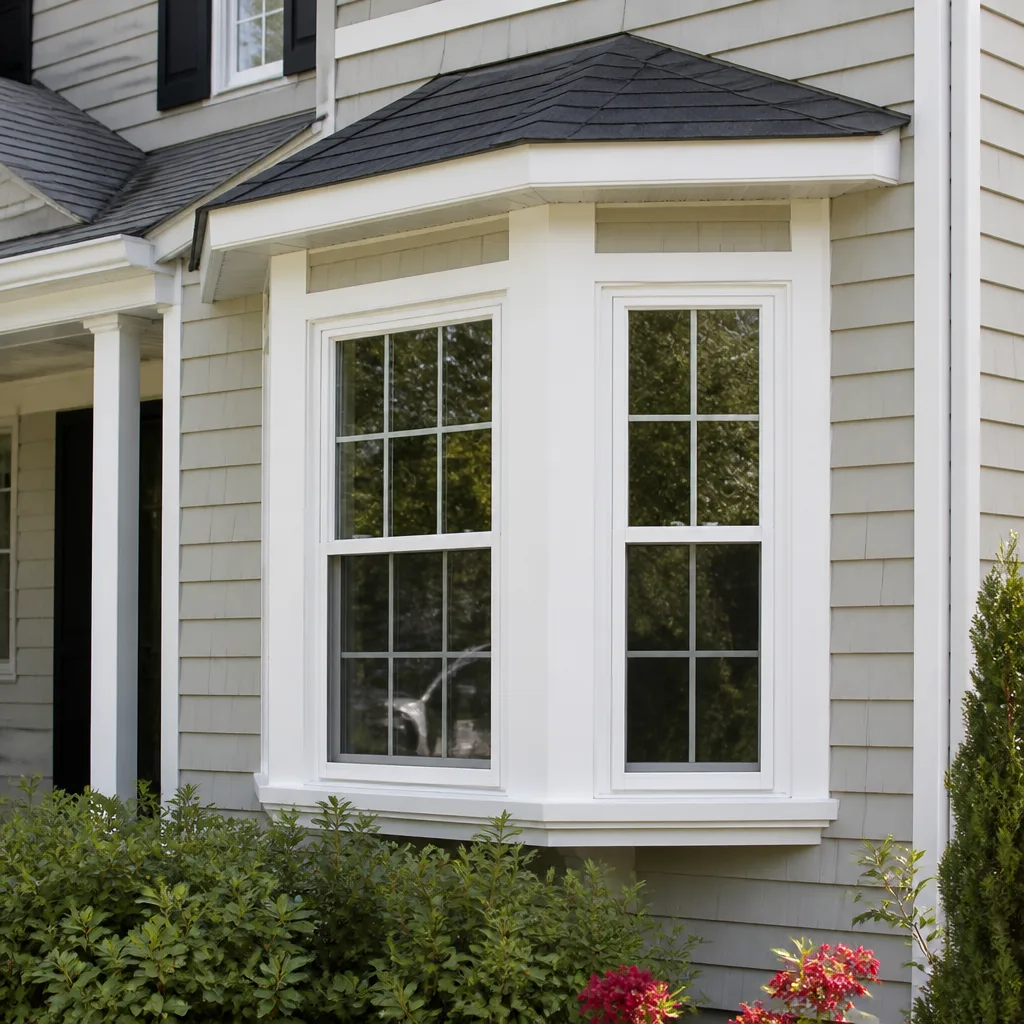
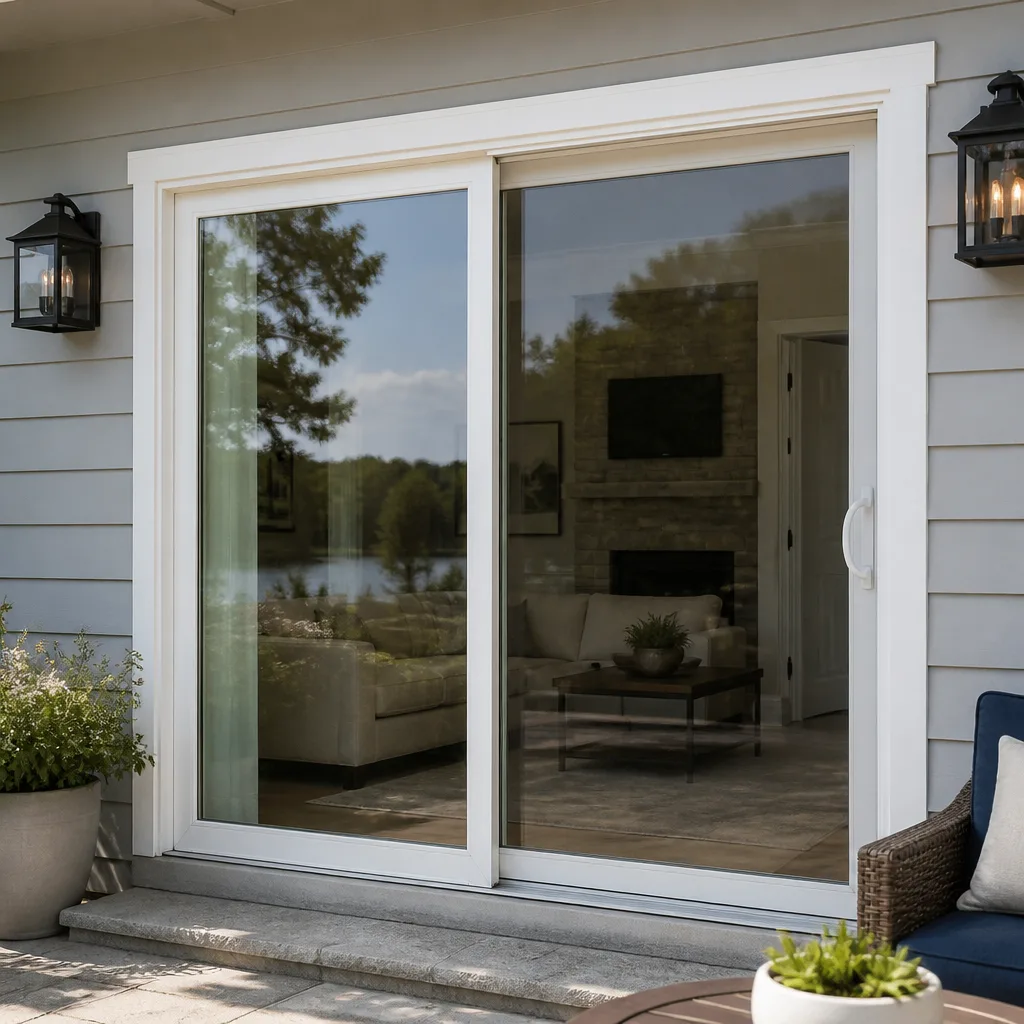
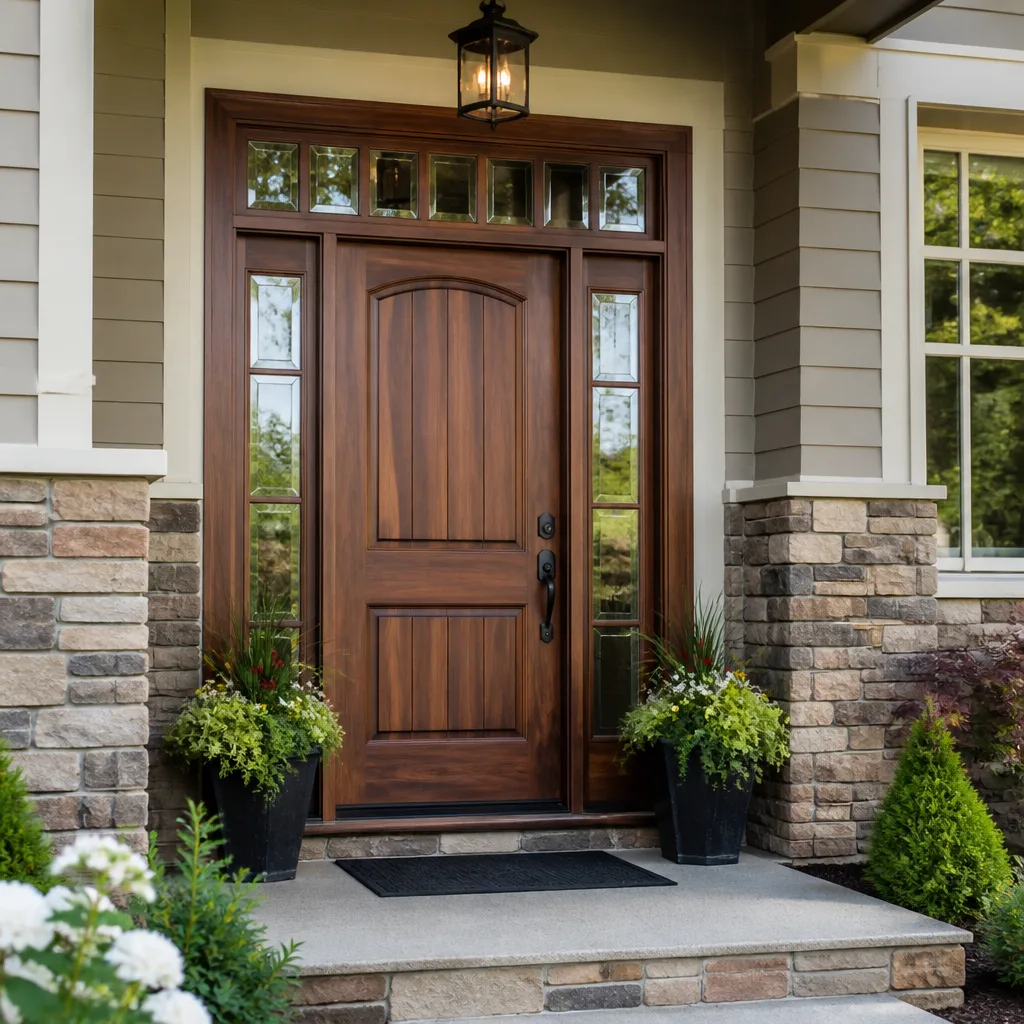
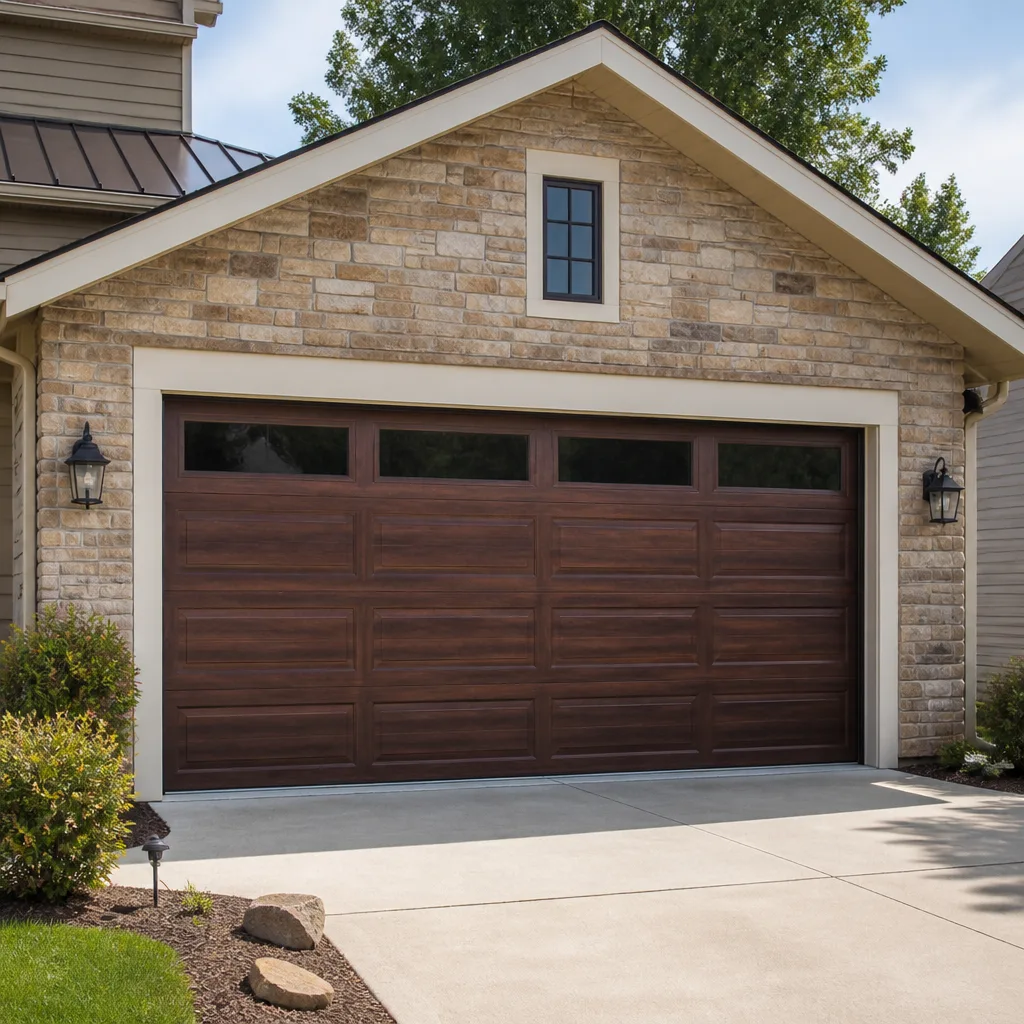
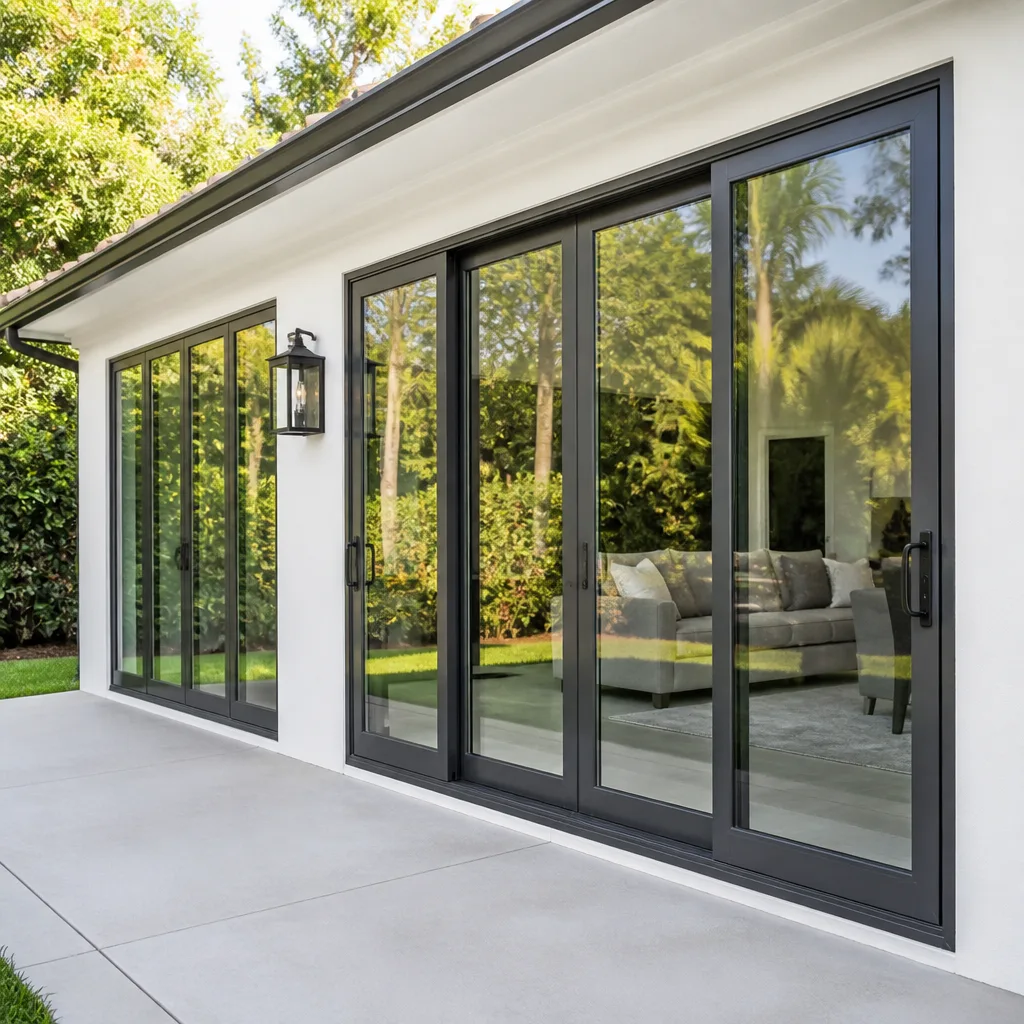
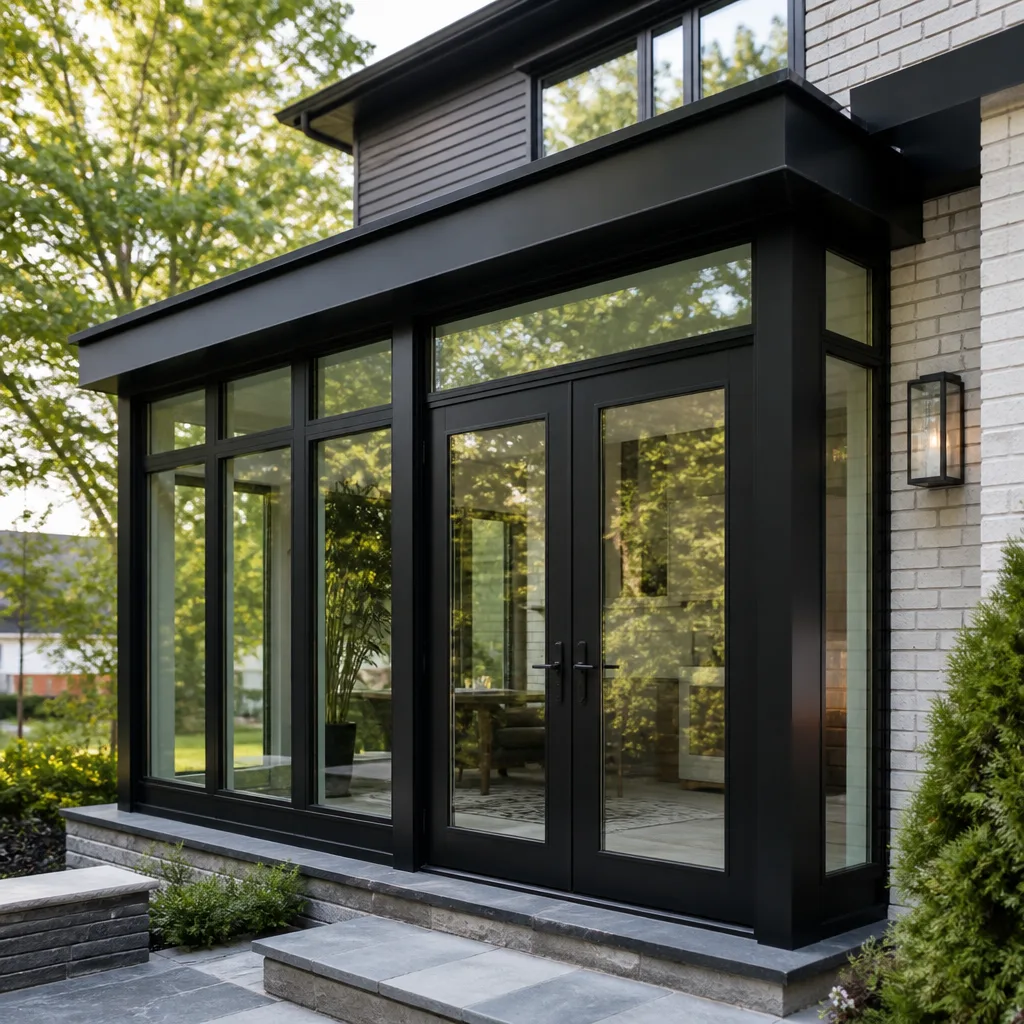
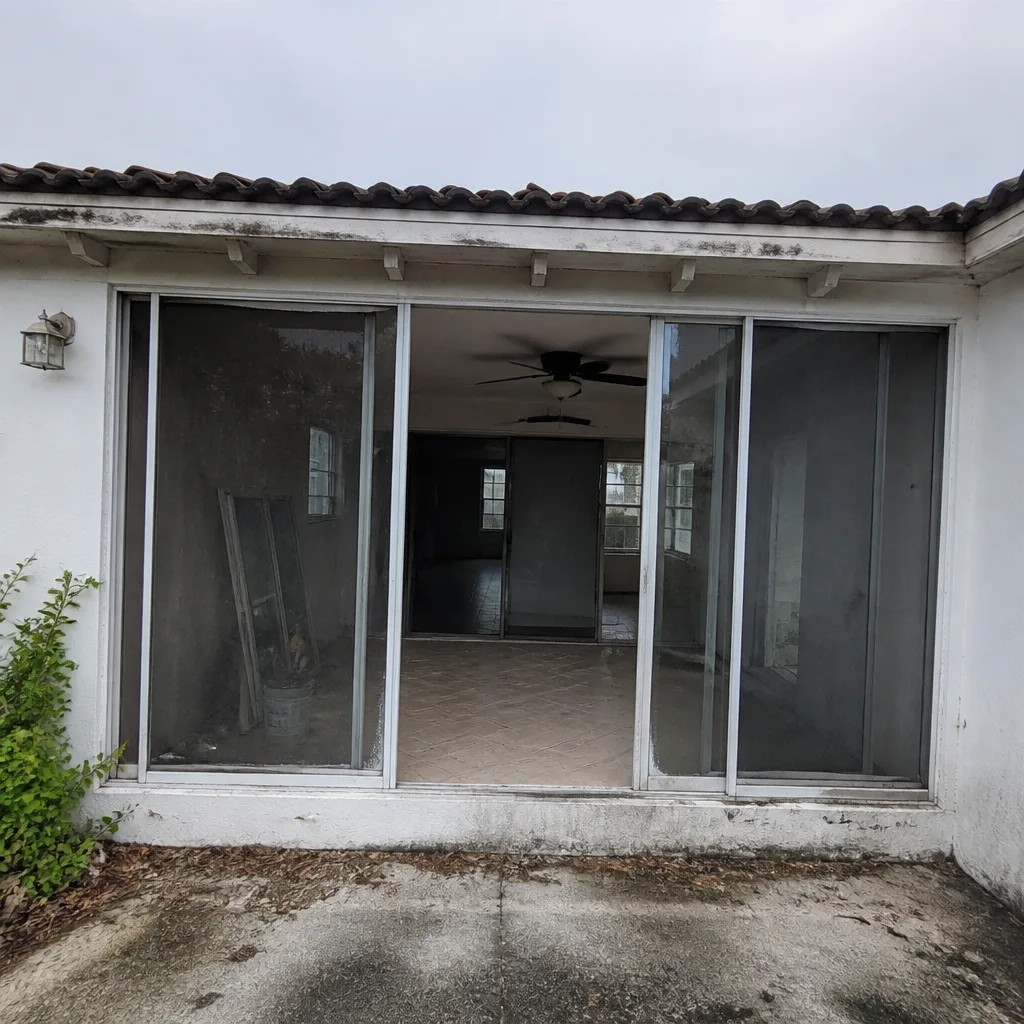 Before
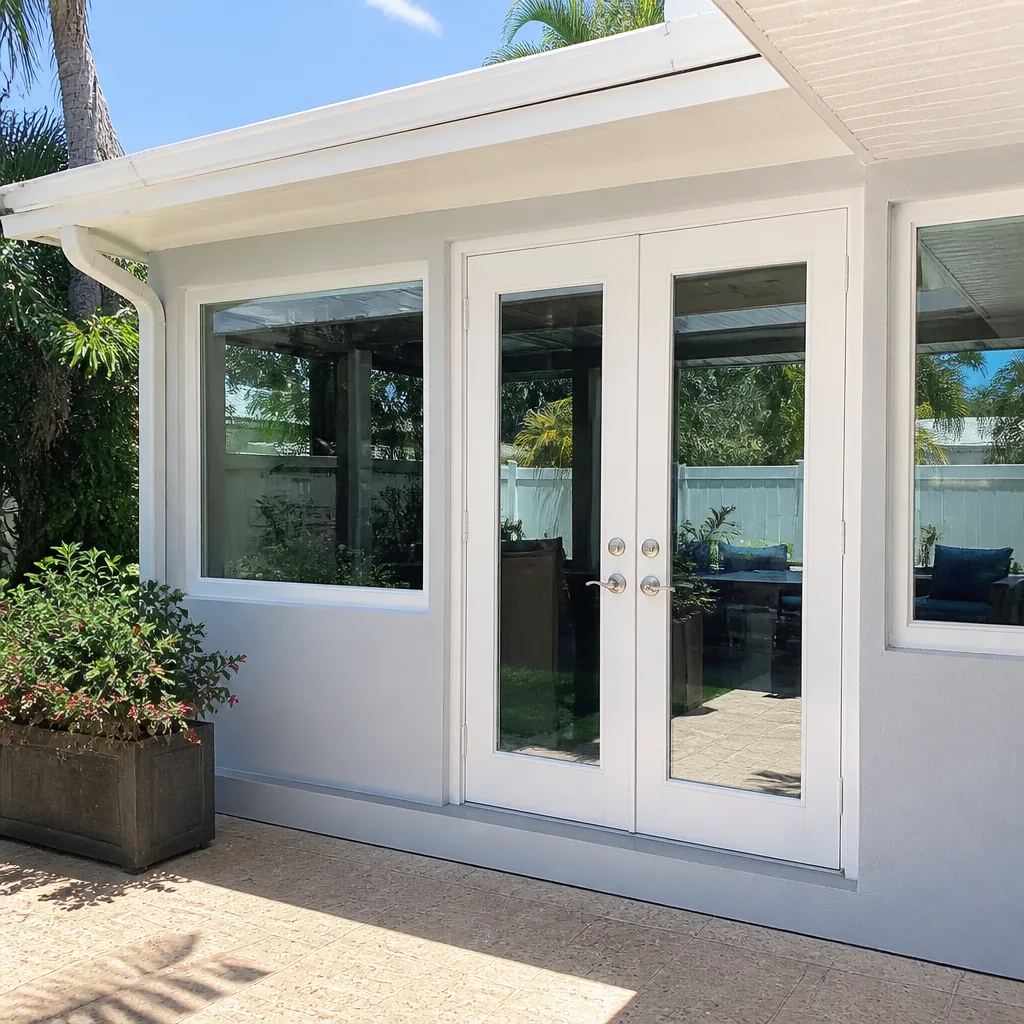 After
After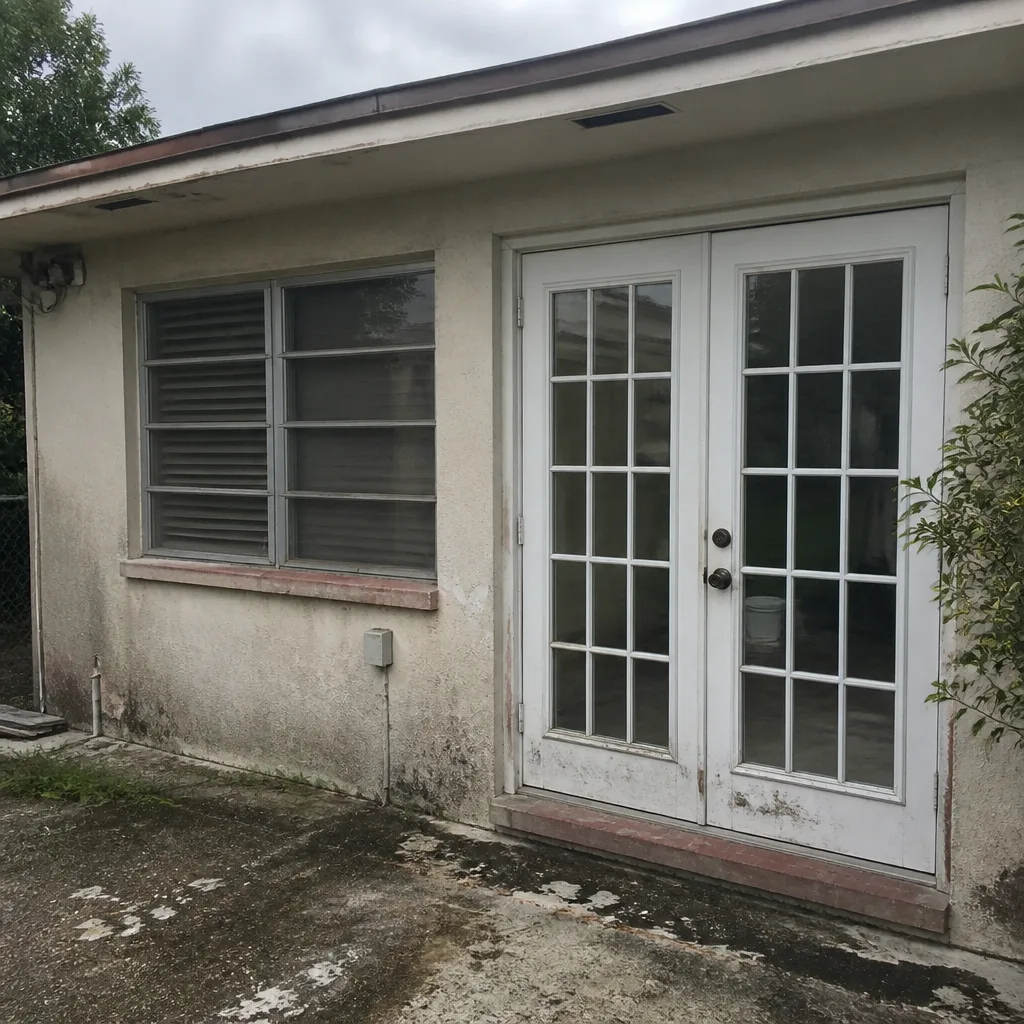 Before
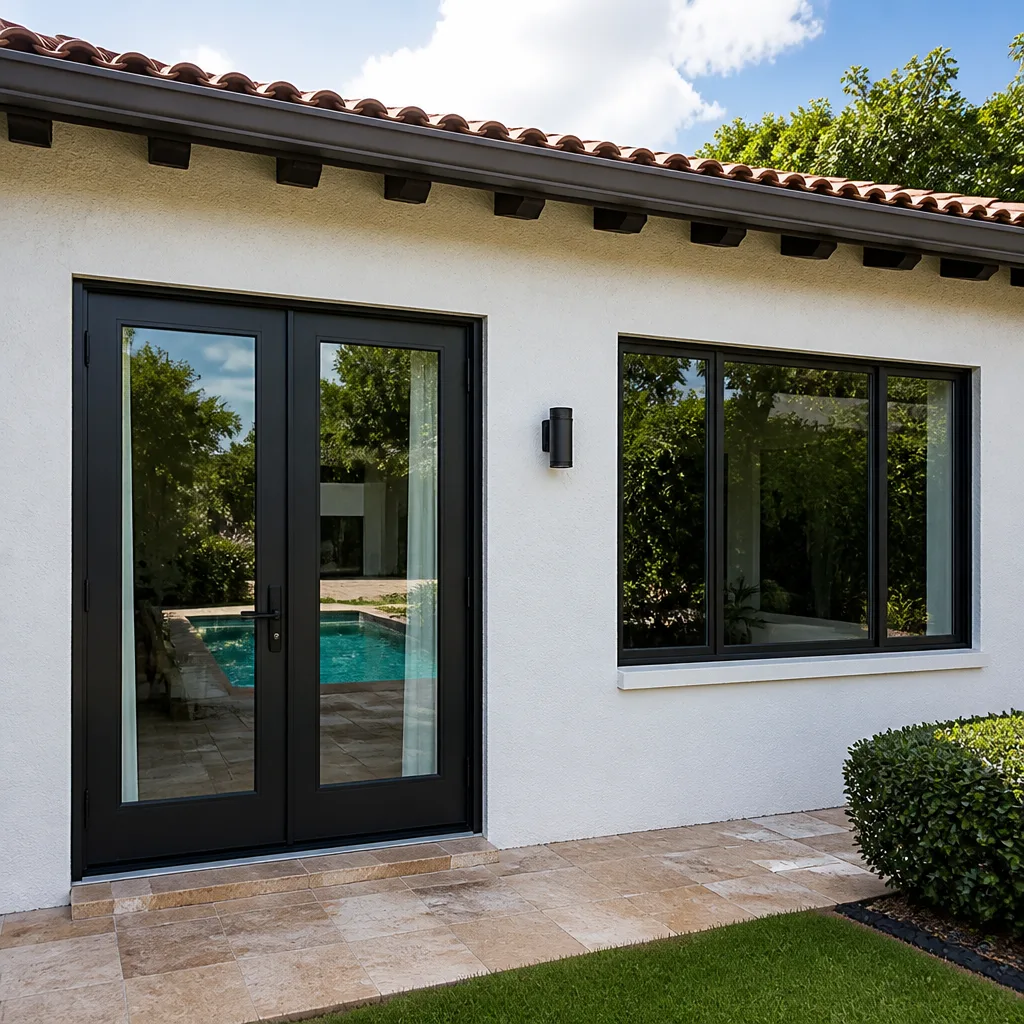 After
After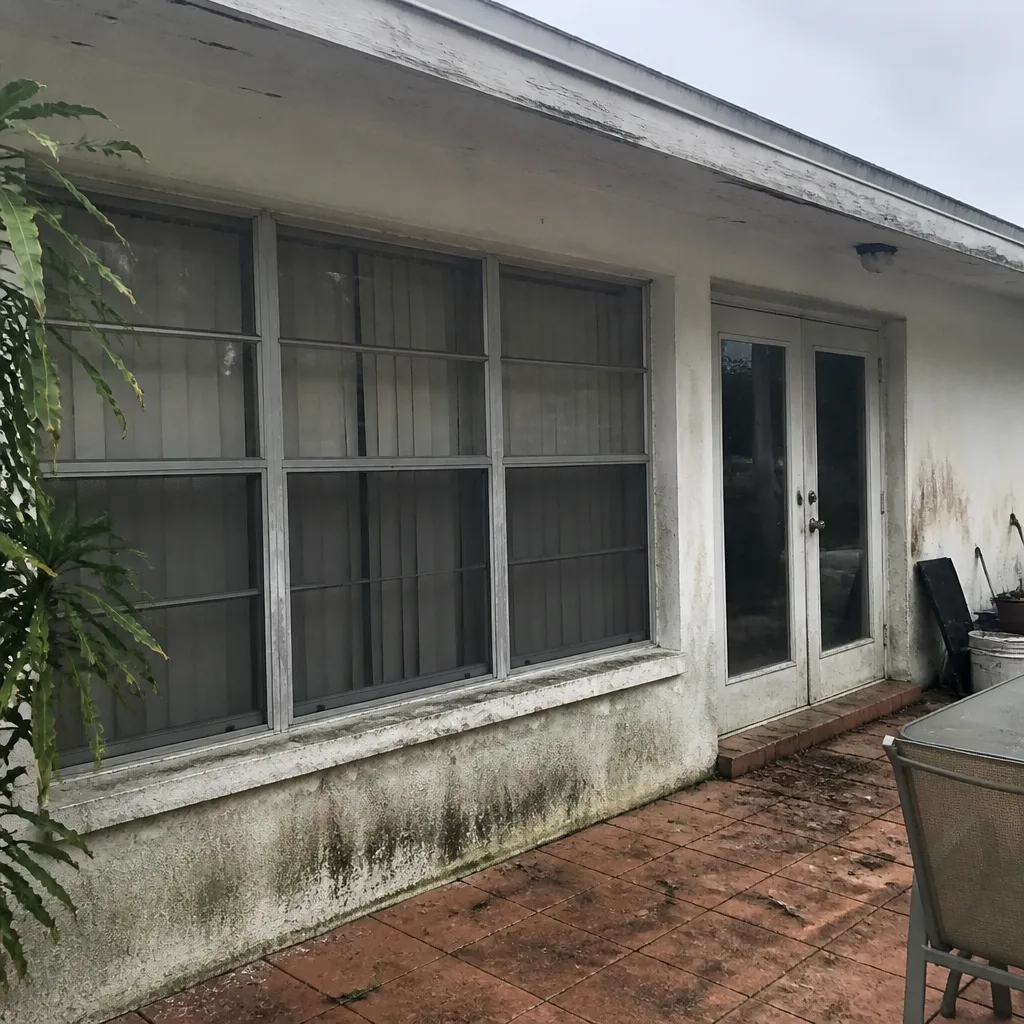 Before
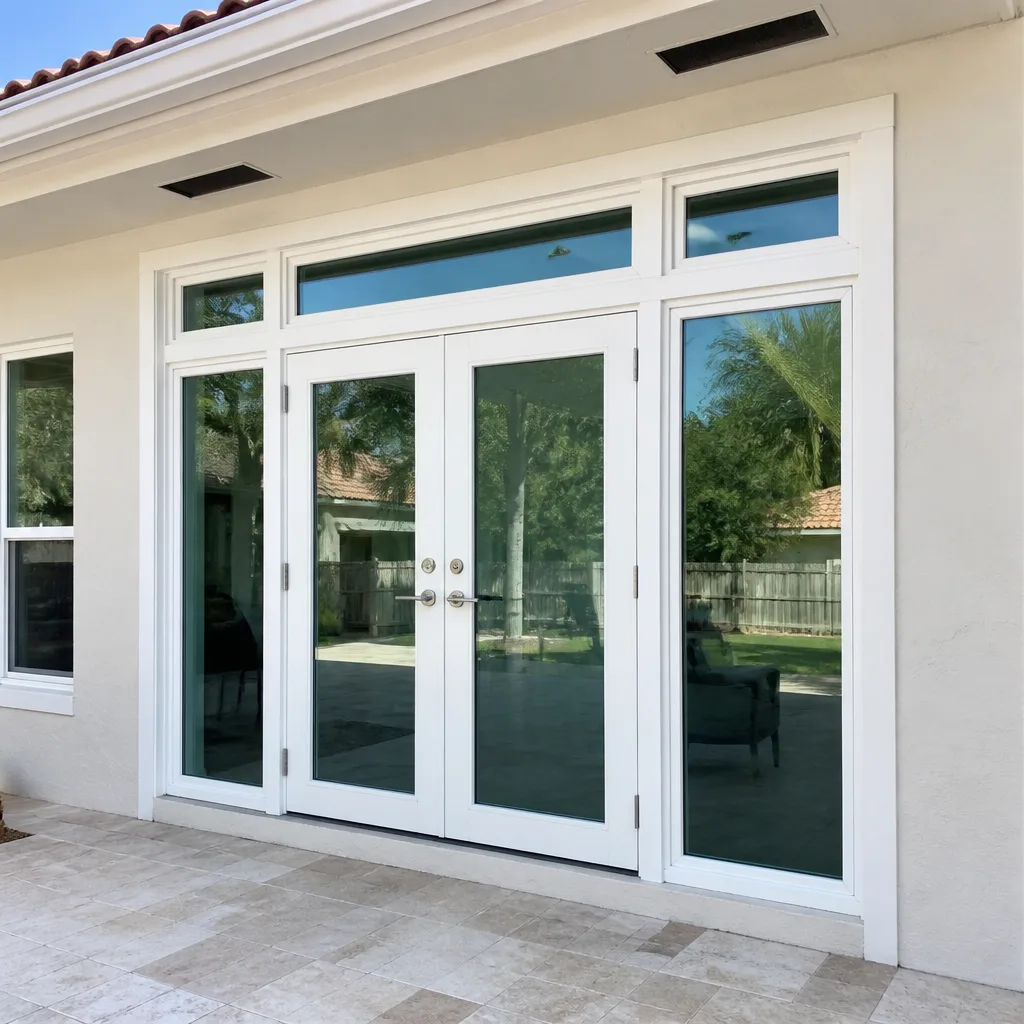 After
AfterSeasonal Windows & Doors Care for Tamiami: Year-Round Homeowner’s Guide
Tamiami averages 61 inches of rain annually, nearly all of it falling between June and October. That means the sealant condition check a homeowner in Chicago schedules for October needs to happen in Tamiami by May 15, before the first named storm of the Atlantic season, not after. This guide replaces the generic four-season calendar with the maintenance rhythm Tamiami actually lives by: a dry season for hardware and mechanical inspection, a narrow pre-storm window for sealant and glazing verification, and an active storm season for monitoring and documentation. For more guides & resources on protecting your home, visit our blog. We’ll cover what to check, when to check it, which products survive salt-laden air from Biscayne Bay and Florida Bay, and how to maintain impact-rated openings so they perform when a Category 4 makes landfall.
Quick Answer
Window and door maintenance in Tamiami follows a three-phase calendar rather than four seasons: dry-season hardware inspection (November through March), pre-storm sealant and glazing verification (April through May), and active-season weep-hole and drainage monitoring (June through October). Impact-rated units require specific lubricants, documented pre-storm photography, and never tape on the glass. Most homeowners can handle visual checks and basic cleaning; anything involving sealant replacement, hardware adjustment, or glazing inspection should involve a licensed professional with documented credentials. See our Window Installation Maintenance Checklist for Tamiami Homeowners for a complete task breakdown.
Table of Contents
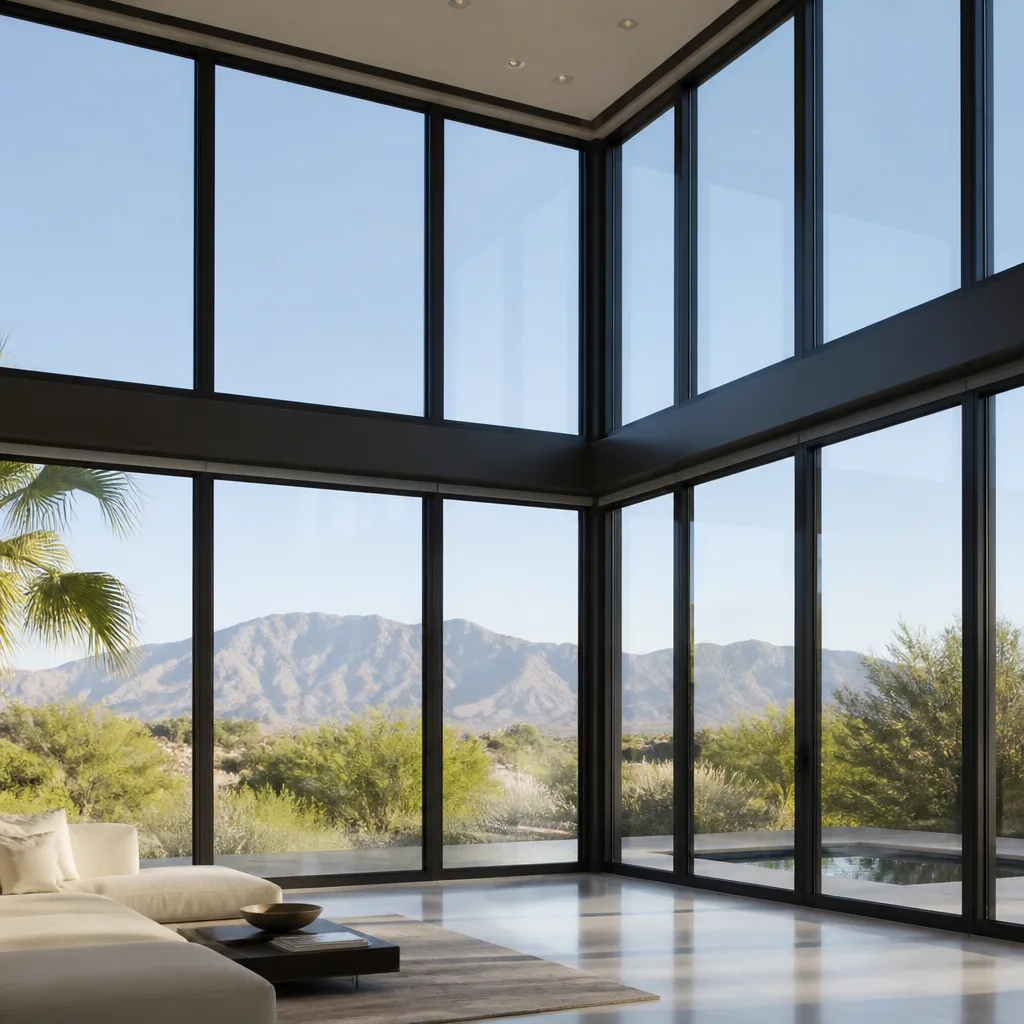
- Why Tamiami Needs Its Own Calendar
- Dry Season: Hardware and Track Maintenance (November-March)
- Pre-Storm: Sealant and Glazing Verification (April-May)
- Active Storm Season: Monitoring and Documentation (June-October)
- Salt Air Corrosion: What Holds Up in Tamiami
- Impact-Rated Openings: Pre-Hurricane Checklist
- UV Degradation Timelines for Seals and Gaskets
- Common Mistakes to Avoid
- When to Call a Professional
- Frequently Asked Questions
 Before
 After
AfterWhy Tamiami Needs Its Own Calendar
The maintenance guides published by national window manufacturers assume a temperate climate with freeze-thaw cycles, deciduous debris, and heating-season air infiltration concerns. None of these apply in Tamiami. Our climate drivers are different: sustained UV exposure exceeding 3,000 annual sunshine hours, salt aerosol carried inland from Biscayne Bay and Florida Bay, and a six-month tropical storm season that can deliver a year’s worth of rainfall in a single week.
We’ve measured the difference. In our work across Tamiami and inland Miami-Dade ZIP codes, hardware corrosion on coastal-exposed properties progresses roughly 40% faster than on installations west of the Turnpike. The salt-laden air doesn’t just reach waterfront homes; prevailing easterlies carry it across Tamiami Trail and into neighborhoods like Tamiami Lakes and Flagami. A hinge that lasts twelve years in Homestead may show pitting in eight in Tamiami.
The three-phase calendar we use reflects this reality:
- Dry season (November-March): Low humidity, minimal rainfall, ideal conditions for mechanical inspection and lubrication without immediate washout.
- Pre-storm window (April-May): The critical six weeks before hurricane season begins. Sealant inspection, glazing verification, and documentation happen now, not after the first watch is issued.
- Active storm season (June-October): Monitoring phase. Check drainage paths after major rain events, verify weep-hole function, and maintain photographic records for insurance purposes.
This calendar isn’t arbitrary. It’s what we’ve refined across 18,000+ installations since 2012, documented in the photo records we leave with every customer. The Sightline Windows & Doors Tamiami home page details how we structure these visits under the Haven Standard.
Dry Season: Hardware and Track Maintenance (November-March)
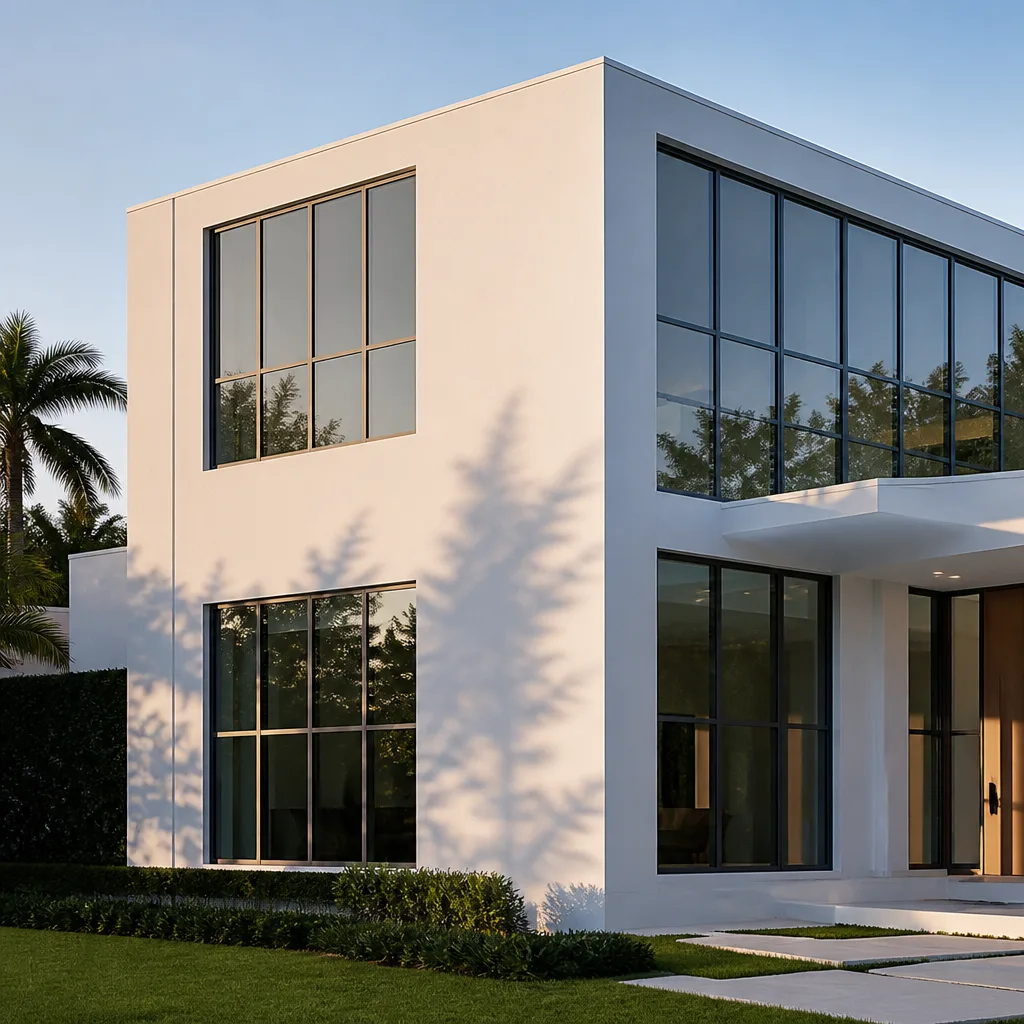
November through March in Tamiami means relative humidity below 70%, negligible rainfall, and daytime temperatures that allow sealants and lubricants to cure properly. This is when we address the mechanical systems that will be stressed during storm season.
What to Inspect
- Rollers and tracks on sliding doors: Remove debris with a vacuum and soft brush. Check for flat spots on rollers, which indicate bearing failure. A roller that doesn’t rotate freely will score the track and eventually jam.
- Hinges and multipoint locks on swing doors: Cycle the door through its full range. Binding at any point usually means settling or hinge wear, not just lubrication need. Note any latch misalignment; multipoint systems depend on precise strike-plate positioning.
- Window balance systems: For single- and double-hung units, verify that sashes stay where positioned. A sash that drifts indicates balance spring fatigue. In Tamiami’s salt air, balance shoes and pivot bars corrode faster than the springs themselves.
- Weatherstrip compression: Close the unit on a sheet of paper. Moderate resistance to pulling indicates proper compression. No resistance means air and water infiltration; excessive resistance means premature wear and possible frame distortion.
Lubrication Specifications for Tamiami’s Salt Environment
Not all lubricants survive here. We’ve replaced hardware on units less than five years old because the homeowner used a general-purpose spray that dried to a gummy residue, trapping salt against the metal. For Tamiami’s salt-laden air, we specify:
- Silicone-based dry lubricant for tracks and rollers: leaves no residue, doesn’t attract dust, resists washout.
- White lithium grease for hinges and lock mechanisms: adheres to metal, provides barrier corrosion protection, stable to 200°F.
- Graphite powder for key cylinders and multipoint lock internals: never oil-based, which gums in humidity.
Avoid WD-40 as a long-term lubricant. It’s a water displacer, not a lubricant, and evaporates within days in Tamiami’s UV exposure. We’ve documented this failure mode repeatedly in our photo records.
Frequency
For properties within two miles of Biscayne Bay or Florida Bay, perform this inspection annually in December or January. For inland Tamiami neighborhoods, every eighteen months is sufficient unless a specific issue appears. The Door Installation in Tamiami page covers hardware specifications we use on new installations for coastal exposure.
Pre-Storm: Sealant and Glazing Verification (April-May)
The six weeks before June 1 are the most consequential maintenance window in Tamiami. Sealant that fails in October can be addressed; sealant that fails in August may not be accessible until the storm passes, and by then the damage is done.
Sealant Inspection Protocol
We inspect four sealant zones on every opening:
- Perimeter sealant: The bead between frame and wall. Look for cracking, separation from either substrate, or discoloration indicating UV degradation. In Tamiami, silicone sealants typically show meaningful degradation at 7-10 years; polyurethane at 5-7 years.
- Frame joints: Corner and miter joints on the frame itself, particularly on aluminum units where thermal expansion stresses the joint.
- Glazing seal: The seal between glass and frame. On impact-rated units, this is typically a wet-glazed system with a structural silicone or tape-backed secondary seal. Disturbance here compromises the impact rating.
- Sill pan and end dam sealant: Critical for water management. A failed sill pan sealant directs water into the wall cavity, not onto the exterior.
What you’re looking for: continuous bead, no voids, adhesion to both sides when lightly probed with a plastic tool (never metal, which damages the substrate). Any failure requires complete removal and reapplication, not surface patching. Patching over failed sealant traps water and accelerates decay.
Glazing Verification on Impact-Rated Units
Impact-rated windows and doors in Tamiami carry a permanent mark indicating compliance with Miami-Dade County requirements: typically a label or etched marking referencing HVHZ (High Velocity Hurricane Zone) approval. For Windows & Doors Permits, Codes & Inspections in FL: What You Need to Know, review our permit and code guide. Verify this mark is present and legible; insurance adjusters and building inspectors will look for it after storm damage.
Check for glass-to-frame contact that might indicate pressure plate loosening or setting block displacement. On laminated impact glass, look for delamination at the edges: a milky or iridescent appearance where the interlayer separates from the glass plies. Edge delamination spreads under cyclic loading and compromises the unit’s ability to withstand debris impact.
Documentation Requirements
Photograph every opening from exterior and interior, capturing the HVHZ label, the overall condition, and any concerns. Store these with your insurance documents. We’ve had customers in Tamiami whose pre-storm documentation accelerated claims processing by weeks after Hurricane Irma. The Haven Standard requires this documentation on every job we complete; we recommend homeowners maintain their own parallel record.
Active Storm Season: Monitoring and Documentation (June-October)
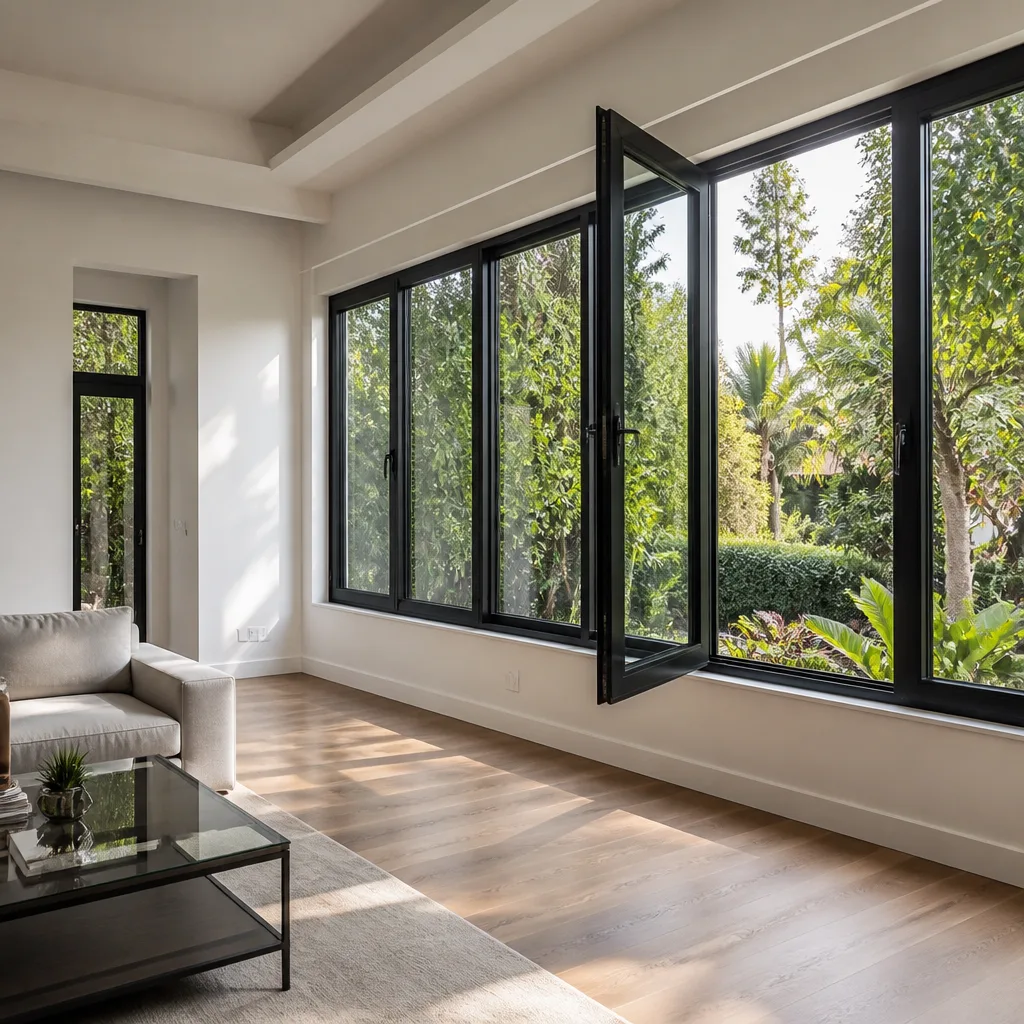
Once hurricane season begins, maintenance shifts from prevention to monitoring. The goal is identifying water intrusion paths before they cause structural damage, and maintaining records that protect your insurance position.
Weep Hole Inspection After Major Rain Events
Impact windows and doors manufactured for Florida’s climate include weep holes, small drainage openings in the frame sill that allow infiltrated water to escape. When blocked, water backs up into the track or sill pan and eventually into the wall.
To inspect weep holes on typical single-hung or horizontal roller impact windows:
- Locate the weep holes on the exterior sill, usually covered by a flap or baffle to prevent insect entry.
- Visually verify the opening is clear; use a flashlight for horizontal rollers where the hole faces downward.
- Test drainage by pouring a small amount of water into the track. It should exit through the weep hole within seconds.
- If water pools, clear the obstruction with a soft wire or compressed air. Never use a drill or sharp object that enlarges the opening.
A blocked weep hole often appears identical to a functional one until tested. We’ve found weeps blocked by paint overspray from prior contractors, by salt crust accumulation, and by insect nests. The test is the only verification that matters.
Post-Storm Inspection Sequence
After any tropical storm or hurricane watch in Tamiami:
- Check interior drywall and flooring adjacent to openings for discoloration or softening.
- Operate every window and door through full range; binding may indicate frame distortion from pressure loading.
- Inspect impact glass for new chips, cracks, or edge delamination. Document with dated photographs.
- Verify weep hole function; storm debris frequently blocks drainage paths.
Any glass damage, frame distortion, or water intrusion path warrants professional evaluation. The Window Replacement in Tamiami page covers assessment protocols for storm-damaged units.
Salt Air Corrosion: What Holds Up in Tamiami
The corrosion acceleration we see in Tamiami versus inland Florida is measurable and predictable. Hardware on units facing east or southeast, within a mile of open water, shows pitting and operation degradation that inland hardware doesn’t match at the same age. The mechanism is chloride-induced crevice corrosion: salt aerosol settles in hardware crevices, hygroscopically attracts moisture, and establishes electrolytic cells that pit stainless steel and destroy plated finishes.
Material Specifications That Survive
When we specify hardware for Tamiami installations, we prioritize:
- 316 stainless steel for hinges, handles, and multipoint components: the molybdenum content resists chloride attack better than 304 grade.
- Marine-grade anodized aluminum for tracks and frames: anodizing thickness of 25 microns minimum for coastal exposure.
- Coastal-rated finishes from verified manufacturers: PGT’s coastal hardware package and CGI’s marine-grade options include enhanced plating thickness and sealed bearing designs.
We’ve replaced hardware on competitor installations where standard-grade components were used in coastal Tamiami ZIP codes. The failure pattern is consistent: plating blisters at 3-4 years, base metal exposes at 5-6 years, operational failure by 7-8 years. Marine-grade hardware in the same exposure typically shows cosmetic change only at 10+ years.
Lubricant Selection Revisited
The lubricants specified in the dry-season section aren’t preferences; they’re requirements for coastal survival. Petroleum-based lubricants form films that trap salt particles. Silicone and lithium formulations shed salt and maintain film integrity. We document the lubricant type in our photo records so there’s no question what was applied and when.
For homeowners in Tamiami’s eastern neighborhoods, from near the Tamiami Trail corridor toward the bay, we recommend annual inspection regardless of apparent condition. The corrosion process is often advanced before operation symptoms appear.
Impact-Rated Openings: Pre-Hurricane Checklist
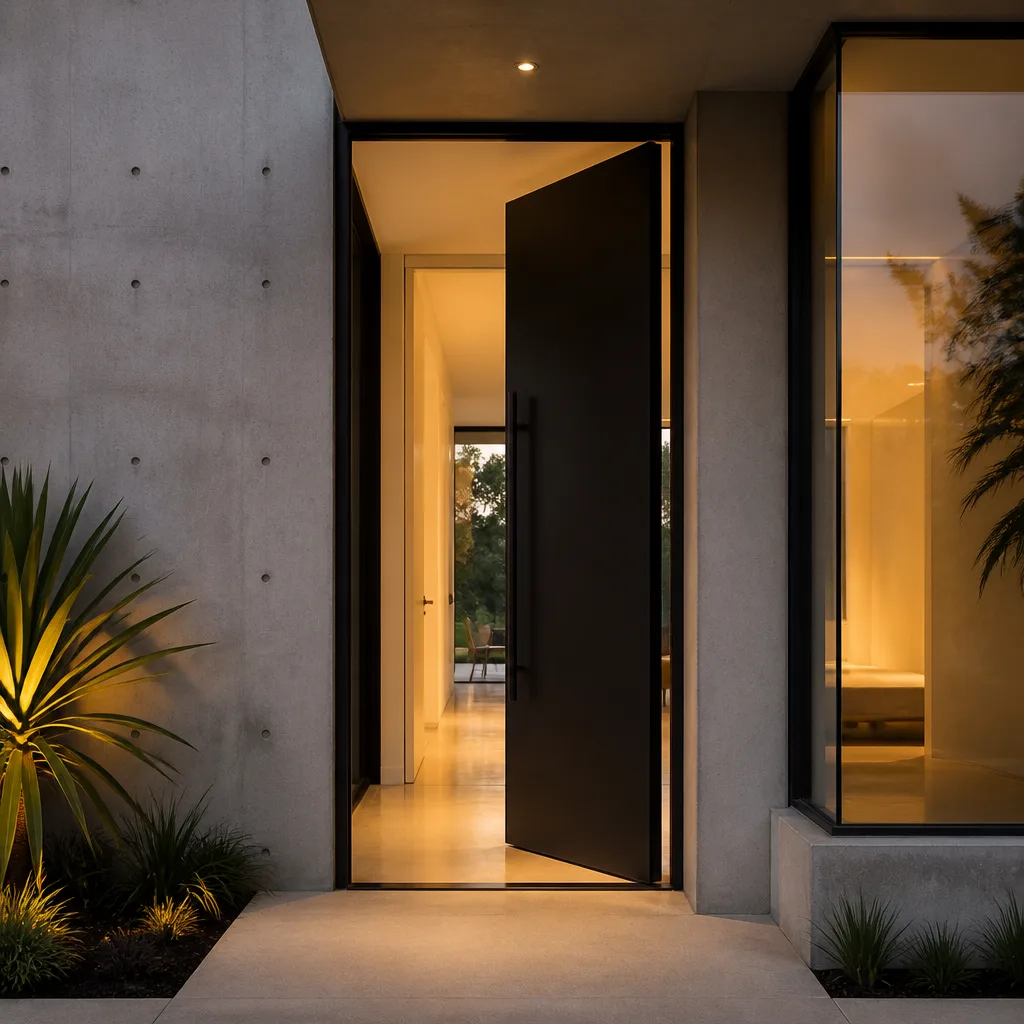
Impact-rated windows and doors represent a significant investment, and their performance depends on proper condition at the moment of impact. The checklist below is specific to Tamiami’s hurricane exposure and regulatory environment.
What to Verify
- HVHZ label legibility: The Miami-Dade County product approval mark must be present and readable. If painted over or faded, photograph it and contact the manufacturer for verification documentation.
- Hardware engagement: Multipoint locks must engage all strike points. A single unengaged point concentrates stress and can fail the entire system under debris impact.
- Glazing integrity: No edge delamination, no surface cracks, no evidence of prior impact that wasn’t documented. Laminated glass can appear intact while the interlayer is compromised.
- Frame anchorage: Interior trim removal isn’t practical for homeowners, but visible fasteners at the frame perimeter should show no corrosion, no backing out, and no surrounding water staining.
- Operable unit function: Windows and doors must close and lock without forcing. A unit that requires excessive force to latch may not achieve full design pressure rating when locked.
What NOT to Do
- Never apply tape to impact glass. This is perhaps the most persistent myth in hurricane preparation. Tape does not prevent breakage; it creates a larger debris hazard when the glass does break, and adhesive residue damages low-E coatings and frame finishes. Impact-rated glass is designed to resist penetration without tape.
- Never install aftermarket shutters over impact-rated openings without engineering verification. The shutter mounting may compromise the frame anchorage or create pressure concentrations.
- Never prop operable windows open during a storm. Even a small opening pressurizes the structure and can fail the roof-to-wall connection.
Documentation Protocol
Photograph each opening with date stamp, showing:
- Full exterior view
- HVHZ label close-up
- Hardware engagement status
- Any existing damage or wear
Store these with your insurance policy and property survey. In our experience with post-Irma claims in Tamiami, homeowners with pre-storm documentation received settlement offers 30-40% faster than those without. The Haven Standard requires this documentation from us; we advise every customer to maintain their own parallel record.
UV Degradation Timelines for Seals and Gaskets
Tamiami’s 3,000+ annual sunshine hours drive UV degradation of organic components faster than most of the continental United States. The materials that seal your windows and doors against air and water are particularly vulnerable.
Component-Specific Lifespans
| Component | Material | Typical Replacement Interval in Tamiami | Failure Indicators |
|---|---|---|---|
| Door threshold seal | Thermoplastic elastomer (TPE) or EPDM rubber | 5-7 years | Cracking, compression set (no longer springs back), daylight visible when door closed |
| Window frame gasket | EPDM or silicone rubber | 8-12 years | Surface crazing, loss of elasticity, shrinkage pulling away from frame |
| Glazing wedge or setting block | EPDM or silicone | 10-15 years | Glass movement when pressed, visible compression deformation |
| Weatherstrip pile (sliding doors/windows) | Polypropylene yarn with silicone fin | 3-5 years | Matting, fin separation, air infiltration at closed position |
These intervals assume south- or west-facing exposure with no significant shading. North-facing or heavily shaded units may extend 20-30% longer. We’ve measured threshold seal degradation on a south-facing Tamiami door at four years; the identical product on a north-facing garage door at the same property showed no meaningful change at seven years.
Replacement Standards
When replacement is needed, match the original material specification or upgrade. Generic replacements from hardware stores often use lower-grade EPDM without UV stabilizers. We specify manufacturer-original or equivalent-grade components from our verified lines: PGT, CGI, CWS, and others maintain replacement part programs with correct material specifications. Using a lower-grade replacement in Tamiami’s UV environment means repeating the replacement in half the time.
The Window Installation in Tamiami page details material specifications we use for new installations, which inform our replacement recommendations.
Common Mistakes to Avoid
- Applying tape to impact glass before a storm. This doesn’t strengthen the glass and leaves adhesive residue that damages coatings. Impact-rated units are designed to perform without tape.
- Using petroleum-based lubricants on coastal hardware. These trap salt and accelerate corrosion. Silicone or lithium formulations are required for Tamiami’s salt air.
- Ignoring weep holes until water appears inside. By the time interior water is visible, wall cavity damage is often advanced. Test weep function after every major rain event.
- Pressure-washing windows and doors directly at frame joints. High-pressure water forces past seals and damages weatherstrip. Use low-pressure rinse and soft brush instead.
- Delaying sealant inspection until storm watch is issued. Sealant needs cure time; April-May inspection allows proper remediation before June 1.
- Replacing degraded seals with generic hardware-store equivalents. UV-stabilized manufacturer-specified materials last 2-3x longer in Tamiami exposure.
- Failing to document pre-storm condition. Insurance claims without dated photographs face extended processing and potential disputes over pre-existing damage.
When to Call a Professional
Certain conditions require evaluation by a licensed window and door contractor, not ongoing homeowner monitoring. Call for assessment if you observe frame distortion affecting operation, glass delamination or cracking, water intrusion paths you cannot trace to a specific sealant failure, or hardware corrosion that compromises lock engagement. Any of these conditions may indicate structural issues, compromised impact rating, or failed anchorage that affects the opening’s performance in a design-pressure event.
Sightline Windows & Doors Tamiami offers free estimates in Tamiami. Our technicians are background-checked, uniformed, and identified by license number before arrival, per Haven Clause 3 (Verified Crews). Every assessment includes a measured survey you keep, a written scope with named pricing, and a documented photo record. Call (786) 321-9118 to schedule.
Frequently Asked Questions
Inspect hardware and mechanical systems annually during the dry season (November-March), verify sealant and glazing condition before each hurricane season (April-May), and check weep holes and drainage after major rain events during storm season (June-October). Properties within a mile of Biscayne Bay or Florida Bay should increase hardware inspection frequency to every eight months due to accelerated salt corrosion.
Threshold seal replacement on a standard entry door typically runs $180-$340 including material and labor. Full weatherstrip replacement on a sliding glass door ranges $280-$520 depending on pile height, fin configuration, and track condition. Window perimeter gasket replacement varies with sash count and accessibility; most Tamiami homes fall in the $140-$280 per opening range. Call (786) 321-9118 for an exact quote on your specific openings; estimates are free and include a written scope with named pricing before any work starts.
Homeowners can apply specified lubricants to accessible hardware using the products and methods described in this guide. Do not attempt to adjust multipoint lock strike plates, replace balance systems, or service corrosion-damaged components; these require specialized tools and can compromise the unit’s rated performance. If you’re uncertain whether a component is accessible or whether lubrication will address the symptom, schedule an assessment.
Locate the HVHZ label or etched marking on each unit and verify legibility. Check for edge delamination, surface cracks, or frame distortion affecting operation. If the label is illegible or missing, contact the original manufacturer with the unit’s serial number for compliance verification. Sightline provides free second opinions on any written estimate for impact unit assessment or replacement; bring a competitor’s quote and we’ll review it at no charge.
Tamiami’s combination of salt-laden air from Biscayne Bay and Florida Bay, 3,000+ annual sunshine hours, and direct hurricane exposure creates a more severe environment than inland or northern Florida locations. Hardware corrosion, UV degradation, and design-pressure loading all accelerate accordingly. The maintenance intervals and material specifications in this guide account for these factors; applying inland maintenance schedules to Tamiami properties results in premature failure.
Maintain dated photographs of every opening showing overall condition, HVHZ compliance labels, and any visible wear or damage. Update these annually during pre-storm inspection. Keep records of any professional service, including the written scope and photo record provided by Sightline under Haven Clause 4 (Evidence on Every Job). Store documentation with your insurance policy, not solely on a phone or computer that may be unavailable after a storm.
The Bottom Line
Tamiami’s window and door maintenance follows a three-phase calendar shaped by tropical climate realities, not a four-season template from temperate-zone manufacturers. Dry-season hardware inspection with specified lubricants prevents salt-corrosion failure. Pre-storm sealant and glazing verification in April-May ensures readiness before the first named storm. Active-season monitoring of weep holes and drainage protects against water intrusion when rainfall is heaviest. Impact-rated units require specific protocols: no tape, documented pre-storm condition, and professional evaluation of any glass or frame compromise. UV degradation of seals and gaskets follows predictable timelines in Tamiami’s 3,000+ annual sunshine hours; replace with manufacturer-specified materials, not generic equivalents. The investment in proper maintenance is modest compared to the cost of water damage, energy loss, or compromised storm protection.
Written by Sonia Raman, Owner at Sightline Windows & Doors Tamiami, serving Tamiami since 2012.